Industry urges caution in reading too much into strong May sales result as long-term orders fulfilled
The Australian car industry has posted an all-time record sales result for May, shifting 105,694 new vehicles last month as crippling supply shortages finally show signs of easing.
That’s good news for buyers who’ve been waiting long periods for their new car to be delivered, including tradies and other business buyers who are sweating on taking possession before July 1, when the federal government’s generous Instant Asset Write-Off Scheme is drastically wound back.
The surprise May surge represents a 12 per cent increase on the same month last year and a 2.7 per cent uptick on the previous record set in May 2017 (102,901).
It takes year-to-date sales to 456,833 units, pushing the industry up 4.3 per cent after a difficult five months of trading during which the industry has basically flatlined, despite healthy buyer demand.
However, the Federal Chamber of Automotive Industries (FCAI) is urging caution given the “broader economic conditions and their potential impact on demand” as well as the fact that most of the sales registered for May are based on orders placed last year.
“This result is a signal that we are starting to see some improvement in supply,” said FCAI chief executive Tony Weber.
“However, not all issues are resolved, and our members continue to work with their customers to improve vehicle delivery times.
“A large proportion of vehicles delivered this month would have been ordered during 2022.
“Since then, we have seen a shift in economic conditions with a focus on rising cost pressures for households and businesses.
“Nevertheless, reports from our members indicate that demand remains firm.”
As we’ve seen in previous months, the sales fortunes of individual brands are at the mercy of production schedules and shipping logistics, including landing at Australian ports and getting cars to dealerships.
Among the leading brands in May, Toyota’s woes continued with a 19.6 per cent downturn – its fifth successive double-digit monthly decline that now sees it 27.9 per cent behind where it was at the same point last year.
Its market share has also crumbled to 15.6 per cent this year, down from 22.6 per cent.
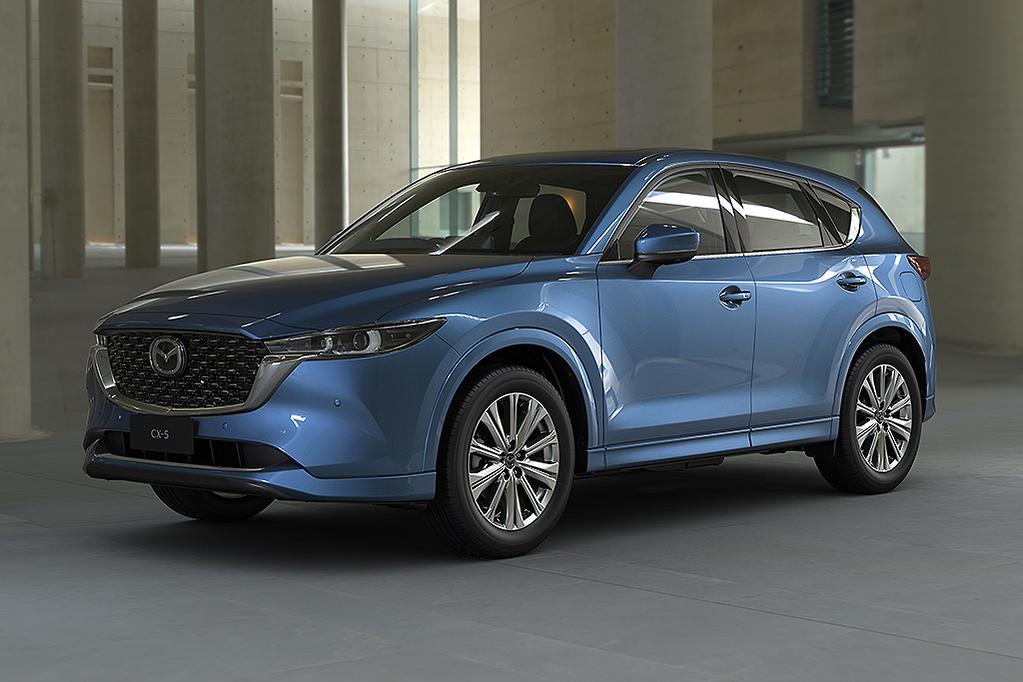
Toyota still sold twice as many cars in May than its nearest rival Mazda, 18,340 to 8,475, although the latter’s result marked a 30.9 per cent increase for the number-two brand.
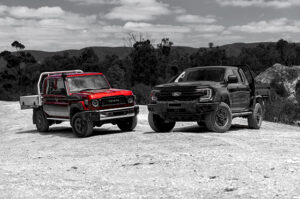
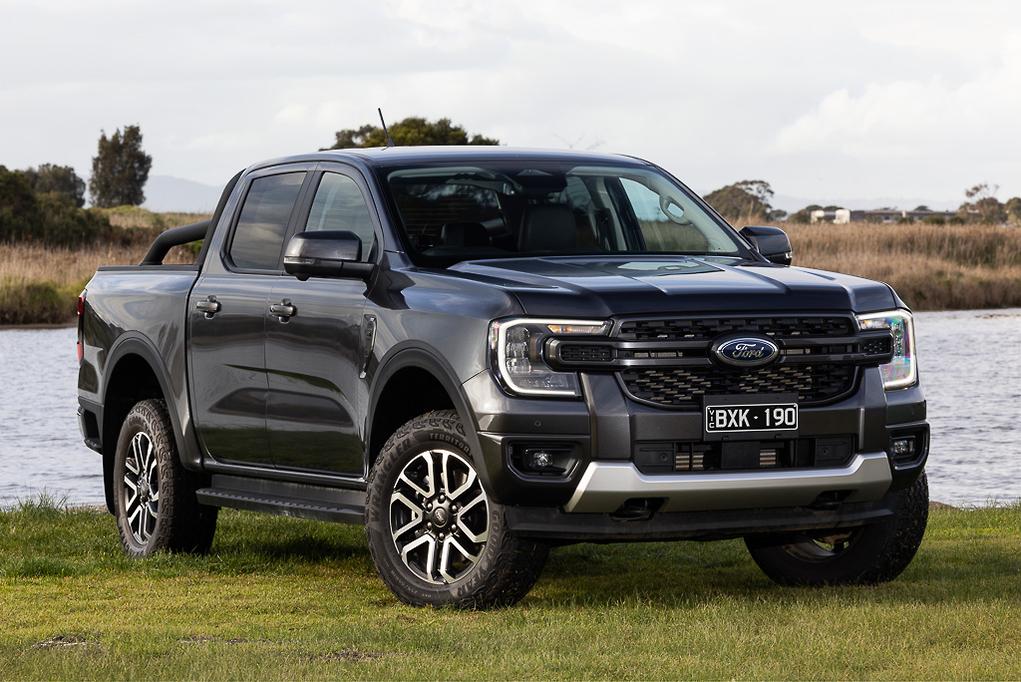
Brand T also claimed bragging rights with the Toyota HiLux as the nation’s top-selling vehicle in May, racking up an impressive 5,772 sales (+11.5%) to hold sway over the Ford Ranger (4,110, +9.6%) for the month – and to inch back ahead in year-to-date terms (21,951 v 21,407).
In third was the Tesla Model Y (3,178), which in a single hit enjoyed top billing as Australia’s top-selling SUV, prestige car and, of course, electric car.
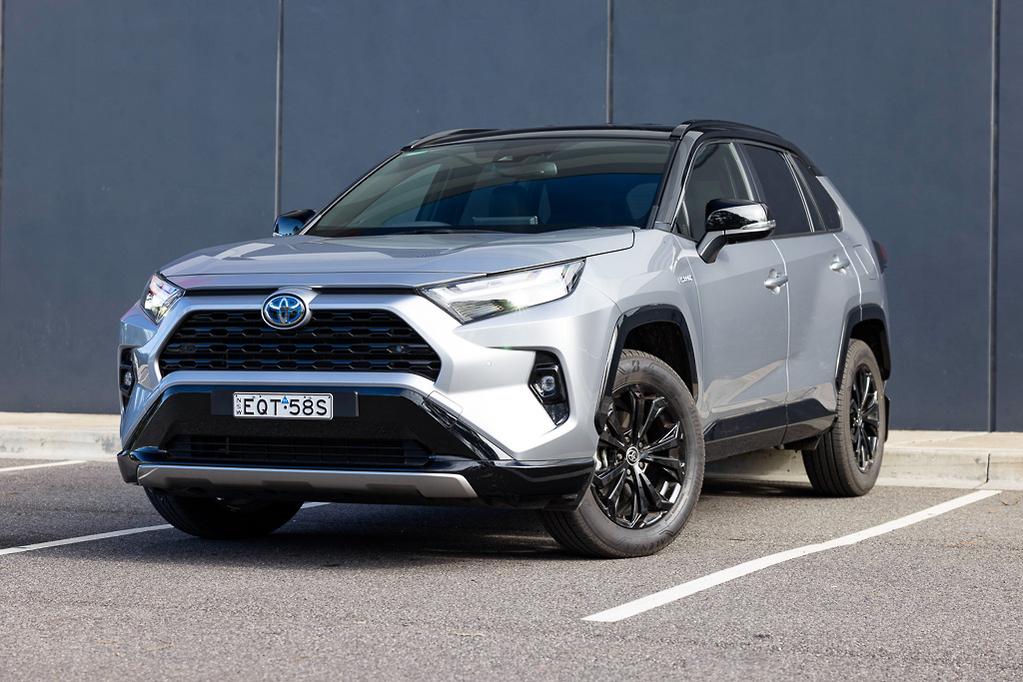
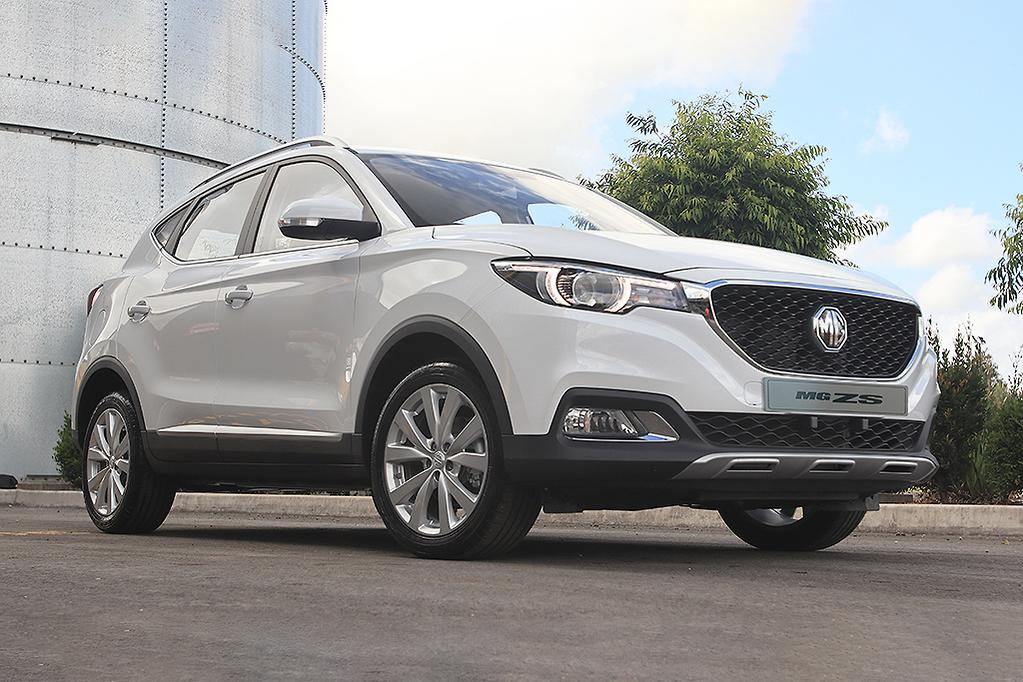
Rounding out the top five was the Toyota RAV4 (2,616) in fourth – the only other Toyota model among the top 10, which is a rare sight – and the MG ZS (2,502).
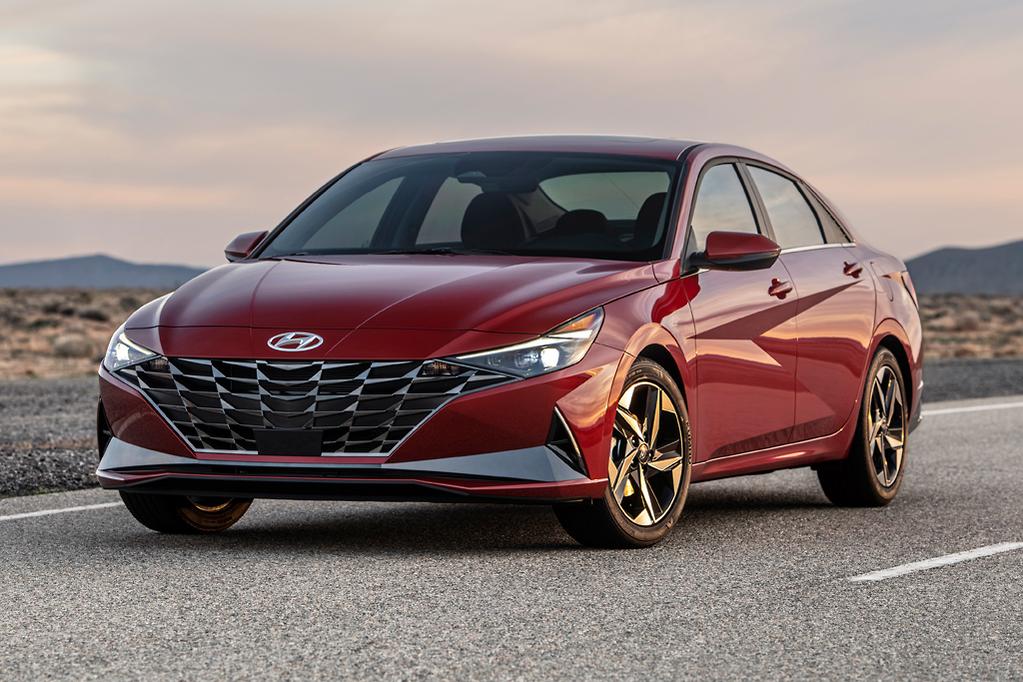
Hyundai finished third overall in May with 7,078 sales (+0.2%), helped by i30 and Tucson in seventh and eighth position respectively among the best-sellers, which placed it just ahead of Korean stablemate Kia (7,000, -4.2%).
Ford rounded out the top five with 6,251 sales (+19.5%), while MG was solid in sixth (4,828, +18.8%) and Tesla took seventh (4,476) as Mitsubishi continued its struggle for sales traction with 4,583 new cars registered – down 24.7 per cent for its sixth double-digit monthly decline in a row.
Volkswagen’s return to form was seen again last month, taking ninth place with 3,940 sales (+77.8%). VW was aided by record T-Roc sales (950), along with Tiguan/Tiguan Allspace (1,112) and the new Amarok ute (645), while Subaru rounded out the top 10 on 3,564 units (-1.7%).
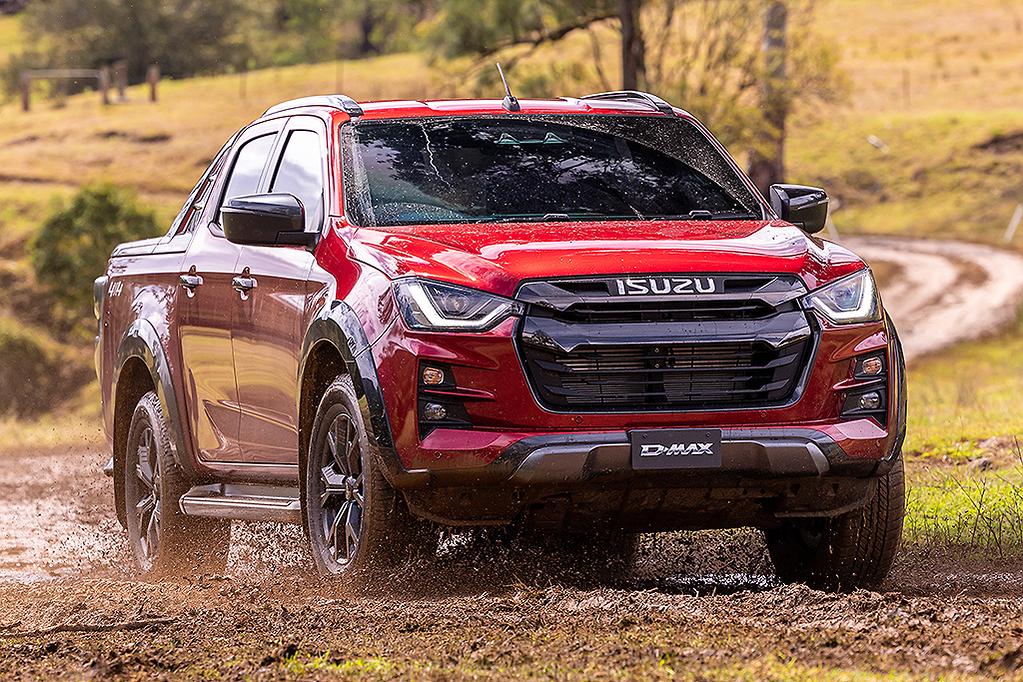
Just outside the main table was Isuzu Ute (3,481, -0.4%), GWM-Haval (3,241, +72.6%) and Nissan (3,085, +3.9%), the latter also making its way along the comeback trail.
Other notable individual performances last month included 1,794 sales for Lexus – an-all time monthly record for the Japanese luxury brand, which has been selling cars in Australia for 33 years.
The May result sent Lexus’ sales skyrocketing 163.8% to overtake Audi (1,623, +72.5%), and with 5,419 units to its name for the year to date (+63.2%), the Toyota-owned brand is now on track to pass 10,000 annual sales for the first time.
Elsewhere, RAM showed again that there’s still plenty of demand for full-size US pick-up trucks, delivering 766 new behemoths (+50.2%), while at the other end of the scale China’s BYD Atto 3 small electric SUV chalked up 1,448 sales to draw close to the top 10 models and stand as Australia’s second-most-popular EV behind the Model Y.
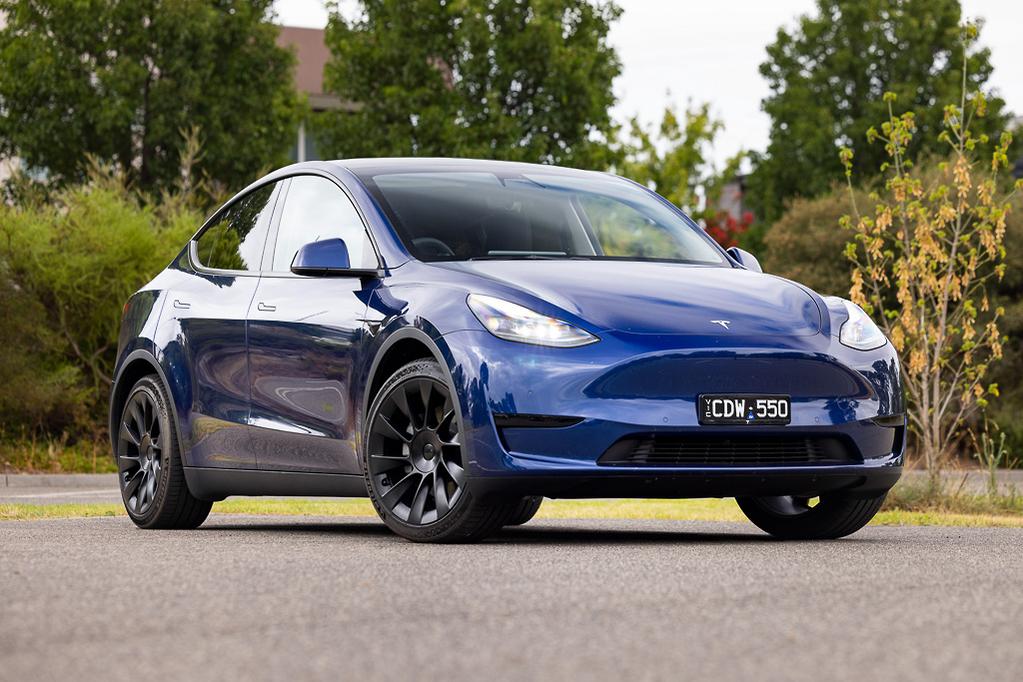
The Tesla Model 3 was third with 1,298 sales last month, while across all brands EVs accounted for 8,124 sales – equivalent to 7.7 per cent of the entire market.
Electrified vehicles as a collective (EVs, plug-in hybrids and regular hybrid cars combined) stood for 16,515 sales, for a 15.6 per cent market share.
This compares to 32,113 sales of diesel-powered cars, SUVs and light commercials, and 52,327 sales of petrol-engined vehicles across the same categories.
Top 10 brands (2023 year to date):
- Toyota – 71,287
- Mazda – 40,718
- Kia – 31,609
- Ford – 30,429
- Hyundai – 29,492
- Mitsubishi – 25,662
- MG – 20,676
- Tesla – 18,559
- Subaru – 17,582
- Isuzu Ute – 16,746
Top 10 models (May 2023):
- Toyota HiLux – 5,772
- Ford Ranger – 4,110
- Tesla Model Y – 3,178
- Toyota RAV4 – 2,616
- MG ZS – 2,502
- Isuzu D-MAX – 2,371
- Hyundai i30 – 2,163
- Hyundai Tucson – 1,911
- Mitsubishi Outlander – 1,880
- Mazda CX-5 – 1,846