Ford proposes Chinese-built cars in the US via joint ventures

News
6 min read
Share this article:
News
10 min read

Ford is urging the US government to let Chinese car-makers build vehicles locally through joint ventures, while also pursuing deeper ties with Geely

At a glance

Ford has proposed a framework that would allow Chinese car-makers to build vehicles in the United States via partnerships with American manufacturers, rather than exporting finished vehicles from China.

The idea was reportedly raised by Ford CEO Jim Farley during meetings with senior officials from the Trump administration earlier this year.

Key takeaways

  • Farley discussed the proposal at the 2026 Detroit Auto Show in January with US trade representative Jamieson Greer, transportation secretary Sean Duffy and Environmental Protection Agency administrator Lee Zeldin.
  • The framework would allow Chinese brands to build vehicles locally through joint ventures with US car-makers, sharing profits and potentially easing tariff pressures.
  • The proposal comes as Ford is also in talks with Geely regarding possible manufacturing and technology partnerships.
  • While Chinese brands are well established in markets such as Australia, they remain effectively blocked from selling vehicles in the US due to trade and political barriers.
  •  
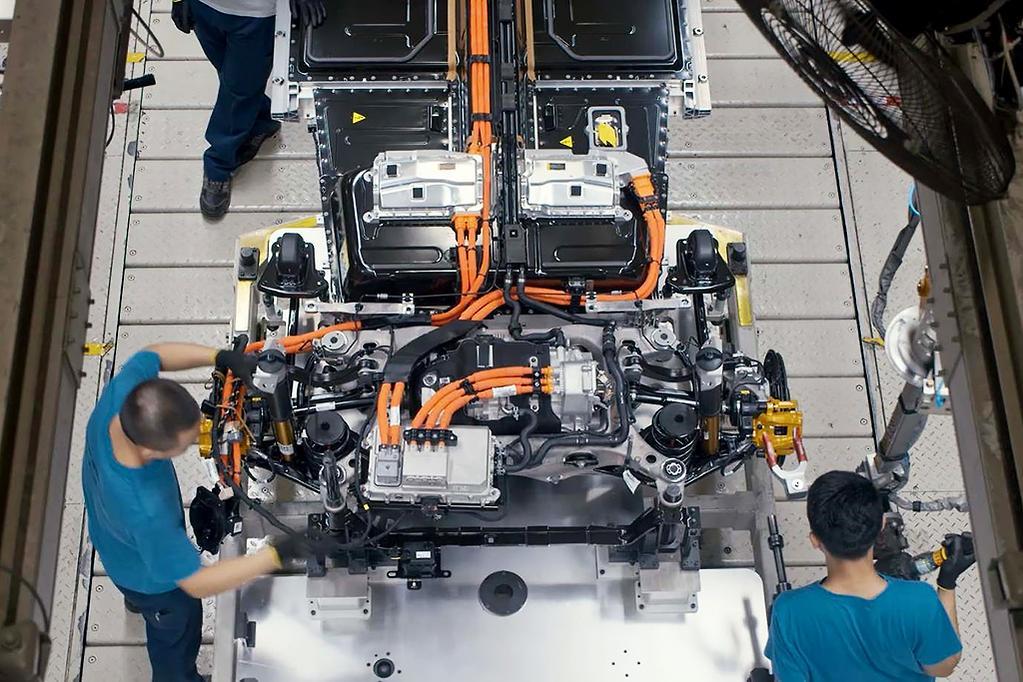
Ford Manufacturing

The Finer Details

According to Automotive News, Farley’s discussions with US officials centred on a model that would see Chinese manufacturers partner with American brands to build vehicles on US soil.

Such an arrangement could reduce tariffs on Chinese vehicles by localising production, while potentially lowering costs – particularly in the fast-growing electric vehicle (EV) segment where Chinese manufacturers have a competitive advantage.

At the same time, Ford is exploring direct commercial ties with Chinese companies. Separate reports suggest the Blue Oval is in discussions with Geely regarding potential technology sharing and manufacturing cooperation, including the possible use of Ford’s European production facilities.

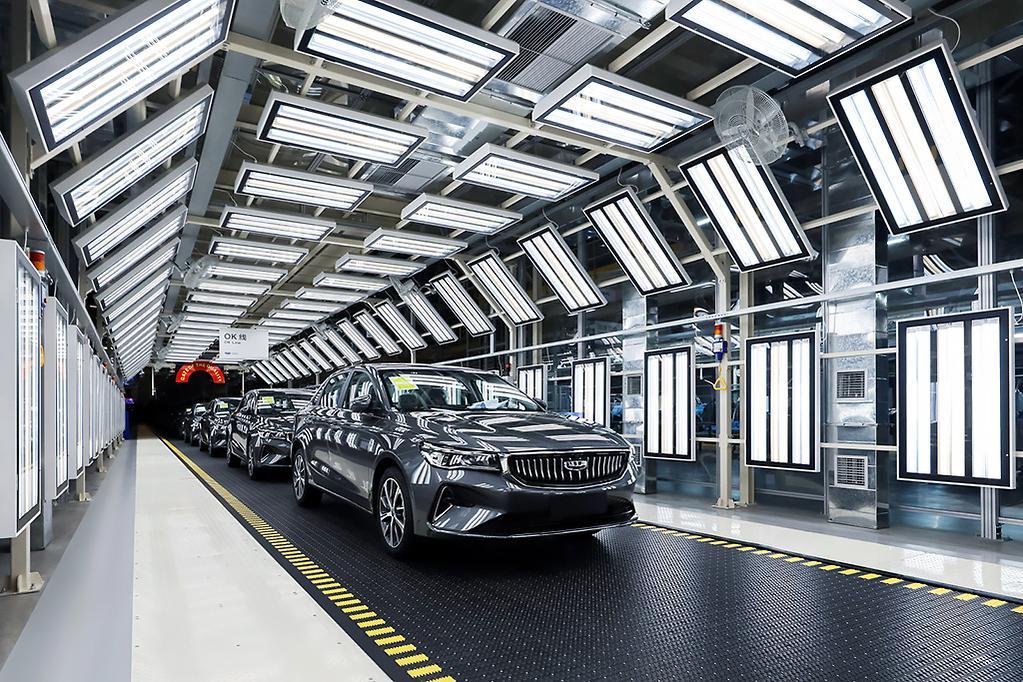
Geely Manufacturing

Geely is one of China’s largest automotive groups and owns brands including Volvo, Polestar and Lotus – all of which already operate in Australia.

Ford has also been linked with potential talks involving other Chinese manufacturers such as BYD and Xiaomi, though no formal agreements have been announced. Both Ford and Xiaomi have denied reports specifically relating to US-based manufacturing plans.

No decision has been made following Farley’s proposal, which reportedly received a cool response from Trump administration officials.

The move comes after Ford reported a full-year net loss of $US8.2 billion – its largest since the 2008 global financial crisis.


The Road Ahead

Australia, which no longer has a domestic passenger car manufacturing industry to protect, has allowed Chinese brands to enter the market with relatively few barriers.

As a result, brands including BYD, GWM, MG and Chery now sell vehicles in significant volumes across passenger car, SUV, ute and EV segments.

A new wave of Chinese expansion is also underway, with GAC confirming a factory-backed Australian launch and Xiaomi expanding into Europe – potentially paving the way for further global growth.

While US policymakers continue to debate whether Chinese car-makers should be allowed to manufacture vehicles locally, Ford’s parallel discussions with Geely suggest elements of the industry are already positioning for that possibility.

Geely manufacturing

A modified version of this article originally appeared on carsales.com.au

Share this article:

LinkedIn logo

carsales for Business

Disclaimer:
The information presented in this article is true and correct at the time of publishing. business.carsales.com.au does not warrant or represent that the information is free from errors or omissions. The content is provided for informational purposes only and should not be construed as professional advice. For more details on our editorial standards and ethical guidelines, please visit our Editorial Guide Lines.