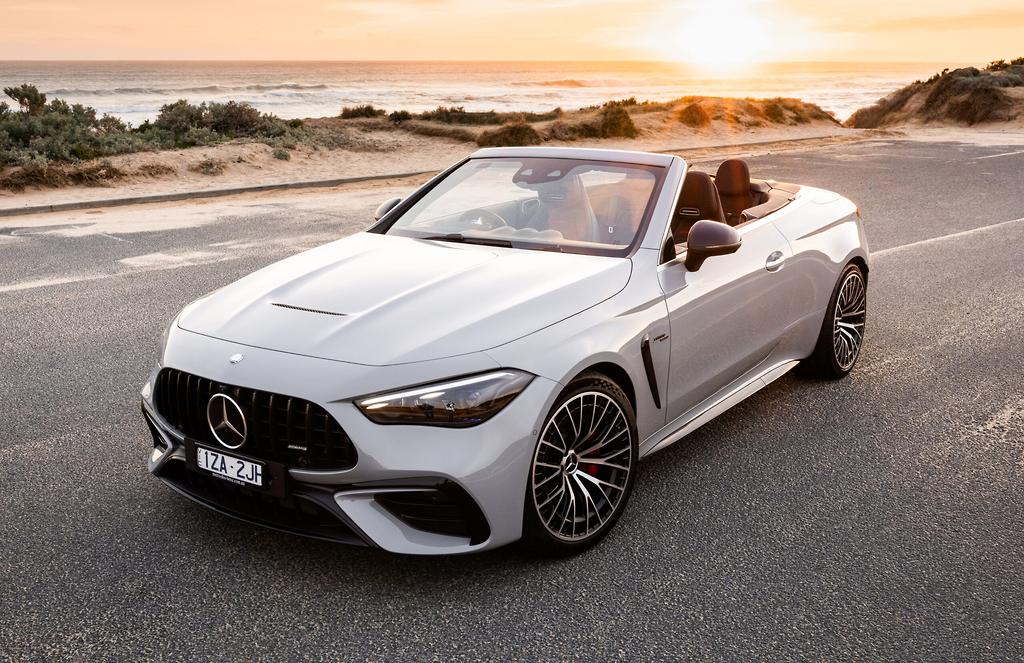
Talks underway to axe the Luxury Car Tax (LCT)

News
3 min read
Share this article:
News
3 min read

Promising conversations with the EU over a free trade agreement pave the way for the LCT to clear off

The Luxury Car Tax (LCT) could be abolished during the re-elected Labor Government’s new term as it tries to sweeten trade conditions and relationships with the EU.

According to The Australian, the PM’s office received calls at the weekend “from the Europeans saying, ‘speed things up’,” in relation to revived discussions over a free trade agreement.

The LCT was originally implemented to protect the local automotive manufacturing industry which has now all but disappeared beyond Walkinshaw and Premcar’s remanufacturing operations – Holden (GM), Ford, Mitsubishi and Toyota all abandoned local production years ago.

This prompted calls for the government to axe the LCT seeing as there was no longer any reason for its existence… beyond generating $1.2 billion of revenue for the government per annum.

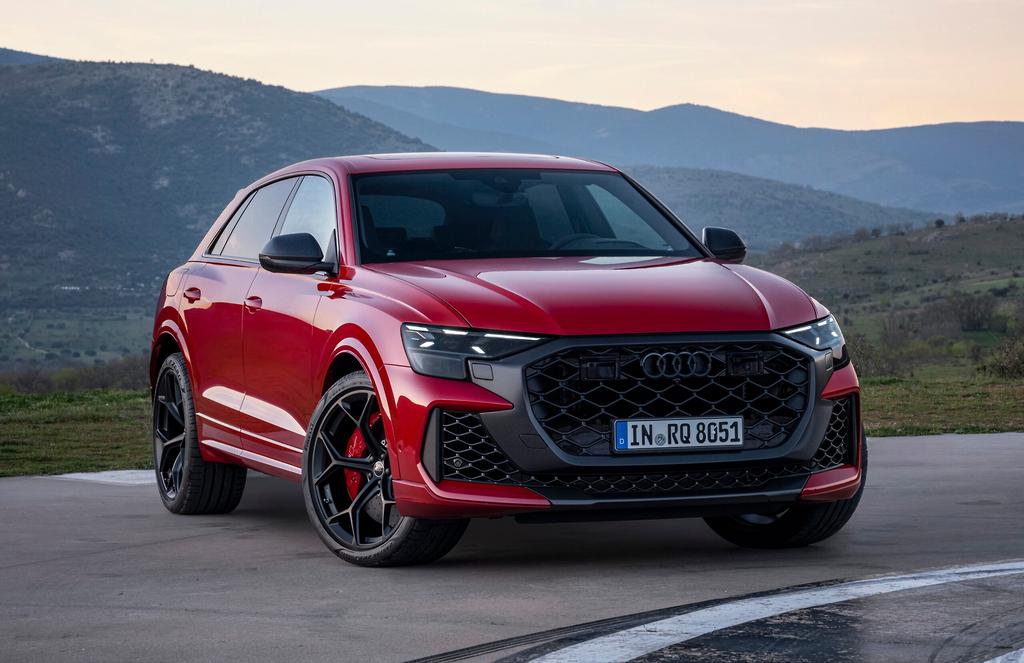
Audi RSQ8

European manufacturers and governments have been echoing those calls for years now – the LCT has historically impacted Euro brands the most – however Prime Minister Anthony Albanese will reportedly only dump the LCT in exchange for more access to the EU for Australia’s agricultural exports.

The LCT varies from vehicle to vehicle depending on its sticker price and adds 33 cents for every dollar it is over the threshold, though there are differing thresholds for ‘fuel-efficient’ vehicles ($91,387) and ‘other’ vehicles ($80,567) – those that average more than 7.0 litres of fuel per 100km.

That deciding fuel consumption figure will be lowered to 3.5L/100km as of July 1 however, meaning a raft of previously exempt models are about to shift classification and have the tax applied.

If the tax is aborted, it will, or at least should, result in the retail prices of dozens of models across even the most premium brands being reduced, so long as they don’t fall afoul of the New Vehicle Efficiency Standard that comes into effect on July 1, though that’s mostly an entirely different conversation.

But where it was once only premium, luxury and exotica that were affected, inflation and gradual price increases have seen many mainstream models surpass the threshold, models like the Toyota Prado, Hyundai Palisade, Nissan Patrol and VW Amarok.

For reference, the LCT is factored into the advertised price of new vehicles and could see consumers save thousands of dollars depending on the model.

This article originally appeared on carsales.com.au

Share this article:

LinkedIn logo

carsales for Business

Disclaimer:
The information presented in this article is true and correct at the time of publishing. business.carsales.com.au does not warrant or represent that the information is free from errors or omissions. The content is provided for informational purposes only and should not be construed as professional advice. For more details on our editorial standards and ethical guidelines, please visit our Editorial Guide Lines.