Marine industry shows steady demand and shifting opportunities

News
6 min read
Share this article:
News
10 min read

Discover where demand is holding firm and where businesses are finding new growth with the latest BIA State of Industry results.

At a glance

Australia’s marine industry continued to hold steady through 2024 to 2025, with turnover edging higher and participation remaining strong. Beneath that stability, the sector is starting to shift, pointing to an industry that is adapting to new conditions rather than taking a step back. 

Key takeaways

  • Industry turnover rose slightly in the 24/25FY to $10.2 billion. 
  • Direct employment softened while contractor numbers increased. 
  • Larger operators grew their share of the workforce. 
  • Used boat sales declined and service-led categories gained ground. 
  • Participation remained strong with more than 2.5 million licence holders. 
  • Boaters are spending longer on the water compared with last year. 
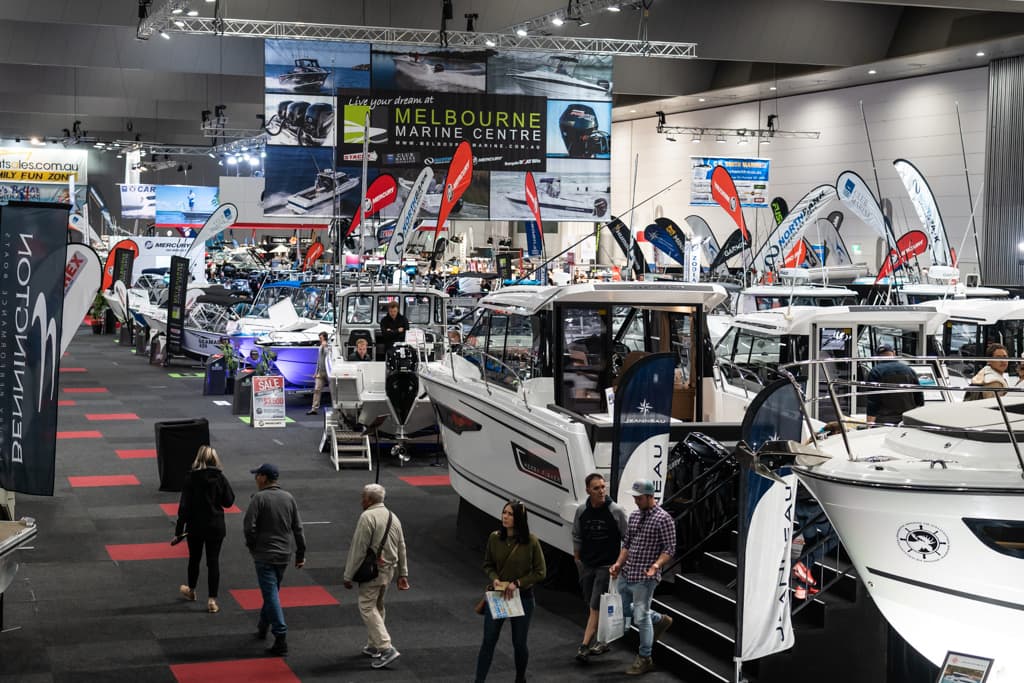
BIA Sydney Internation On Water Boat Show

The Finer Details 

The latest BIA survey shows a sector finding its balance after several turbulent years. Total turnover lifted from $10.12 billion to $10.2 billion, a modest increase that reflects steady demand through a more cautious economic period. Rather than sharp growth or contraction, the marine industry is settling into a more predictable rhythm as the surge in post-pandemic spending continues to normalise. 

Workforce trends reveal one of the clearer signs of change. Businesses reported fewer direct employees compared with last year, but they engaged more than 10,000 contractors, indicating a growing reliance on flexible and specialist labour. Most operators remain small, typically employing fewer than 10 people, yet the share of larger companies continues to grow.

Businesses with more than 50 staff now account for 9 percent of the workforce, up from 7 percent the year prior. This gradual shift points to ongoing consolidation as certain parts of the industry scale up to meet changing consumer expectations and project demand. 

Sector composition also moved in noticeable ways. New boat sales held steady, but used boat sales declined as the second-hand surge that defined the past few years began to soften. Yard services, tourism and marina operations all increased their share, which suggests that more boaters are investing in maintenance, storage and on-water experiences rather than simply buying vessels. These changes indicate a maturing market where long-term ownership and lifestyle value are becoming more important than quick turnover of stock. 

Participation continues to underpin industry stability. One in ten Australians holds a boating licence, with more than 2.5 million licence holders nationally. Registrations across major states remained steady, confirming that boating continues to be a central part of Australia’s recreational landscape. Activity patterns also show deeper engagement. While the most popular activities remain boating, fishing, cruising and watersports, trip durations increased, with more outings lasting more than 12 hours compared with last year. This shift illustrates a growing confidence among boaters and reinforces the sustained appeal of the lifestyle. 

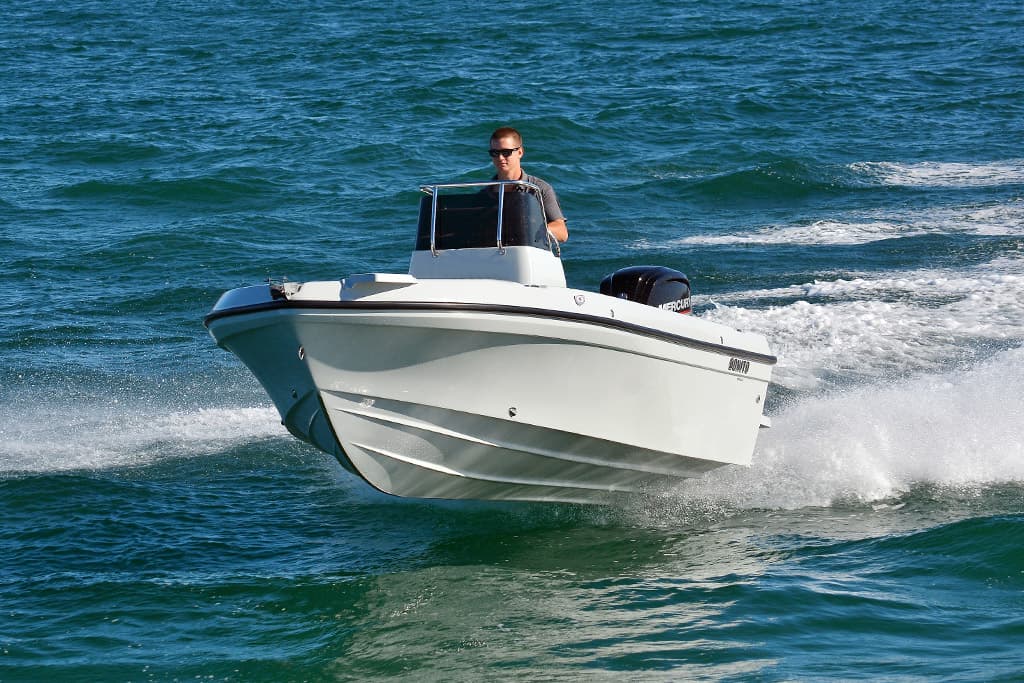
boat industry 2022 action

The Road Ahead

This year’s results show a marine industry that is resilient, steady and quietly reshaping itself. Revenue has held firm, participation remains high and operators are adapting to new market realities. As the balance between new and used boat sales continues to evolve and service-led sectors gain momentum, the opportunity for marine businesses lies in focusing on capability, customer experience and long-term value.  


* Data sourced from the BIA


Share this article:

LinkedIn logo

carsales for Business

Disclaimer:
The information presented in this article is true and correct at the time of publishing. business.carsales.com.au does not warrant or represent that the information is free from errors or omissions. The content is provided for informational purposes only and should not be construed as professional advice. For more details on our editorial standards and ethical guidelines, please visit our Editorial Guide Lines.