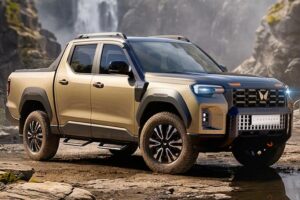
Mazda goes after business buyers with new BT-50

News
4 min read
Share this article:
News
10 min read

Expanded XS 2.2-litre line-up forecast to generate hundreds of sales per month

At a glance

With no electrified option to chase the likes of the BYD Shark 6, Mazda is expanding its diesel-powered BT-50 ute line-up and hunting hundreds of extra sales per month among business buyers.


The key takeaways

  • Mazda BT-50 entry-level XS models have changed from 1.9-litre to 2.2-litre turbo-diesel engines
  • The line-up has expanded from one to four models
  • Forecast to contribute up to 200 extra sales per month
  • Mazda convinced there’s plenty of life in utes yet, despite Toyota predicting the segment has peaked
  • With no electrified powertrain available, diesel will remain the sole powertrain offering of the BT-50

The full picture

Mazda has rolled out its second update for the BT-50 this year, this time focusing on the change-over from the old 1.9-litre turbo-diesel engine to an updated 2.2-litre successor.

The update follows only a few weeks after the same engine transplant was introduced in Australia to the Isuzu D-Max, upon which the BT-50 is closely based.

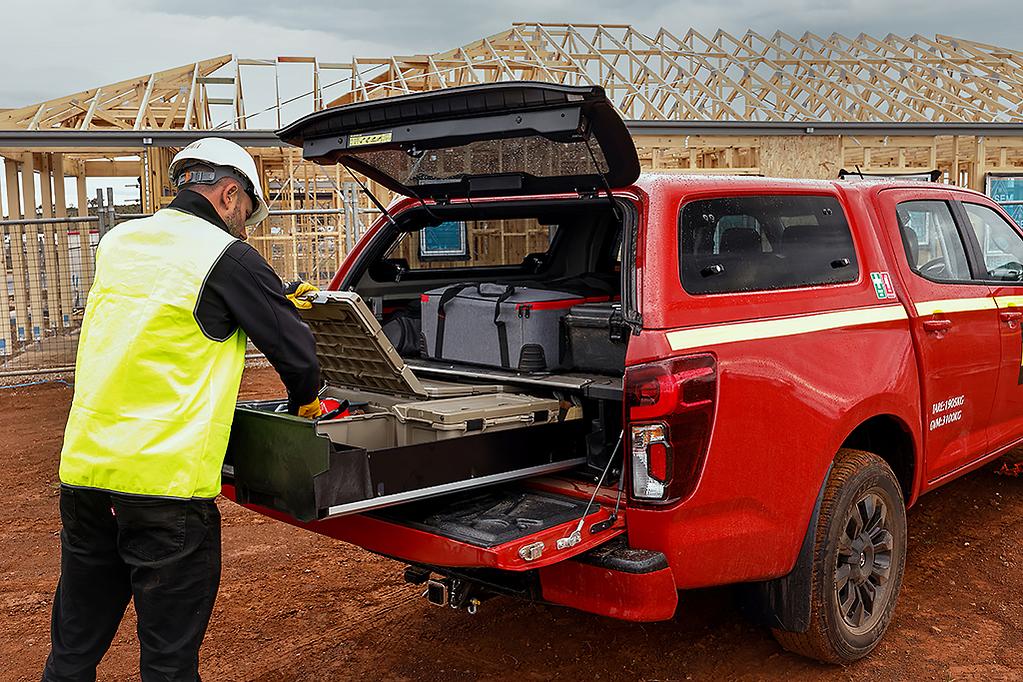
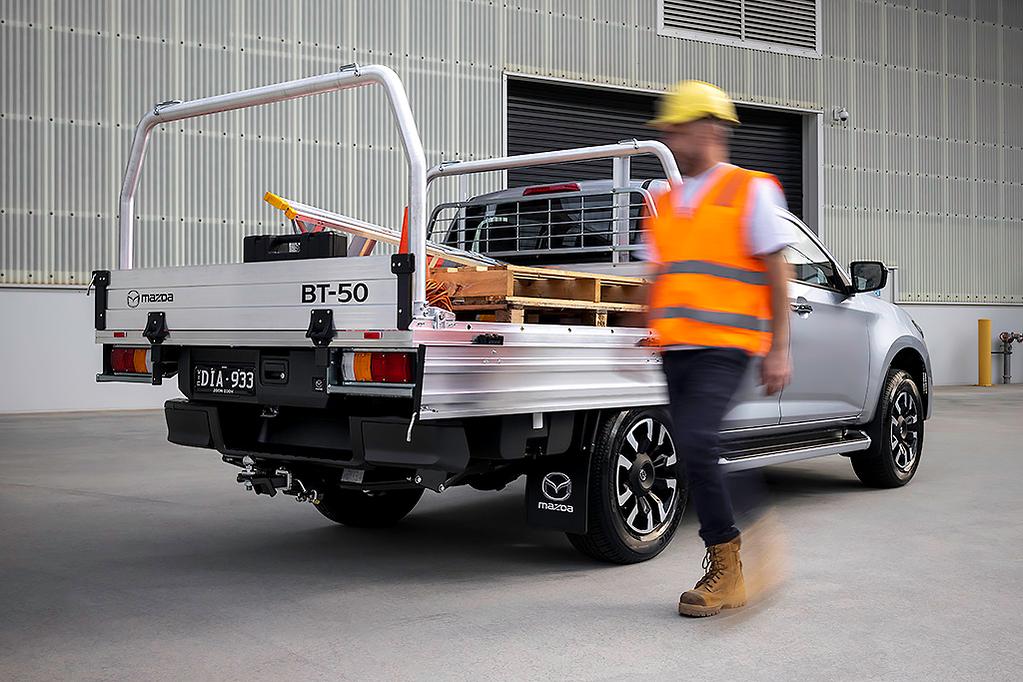
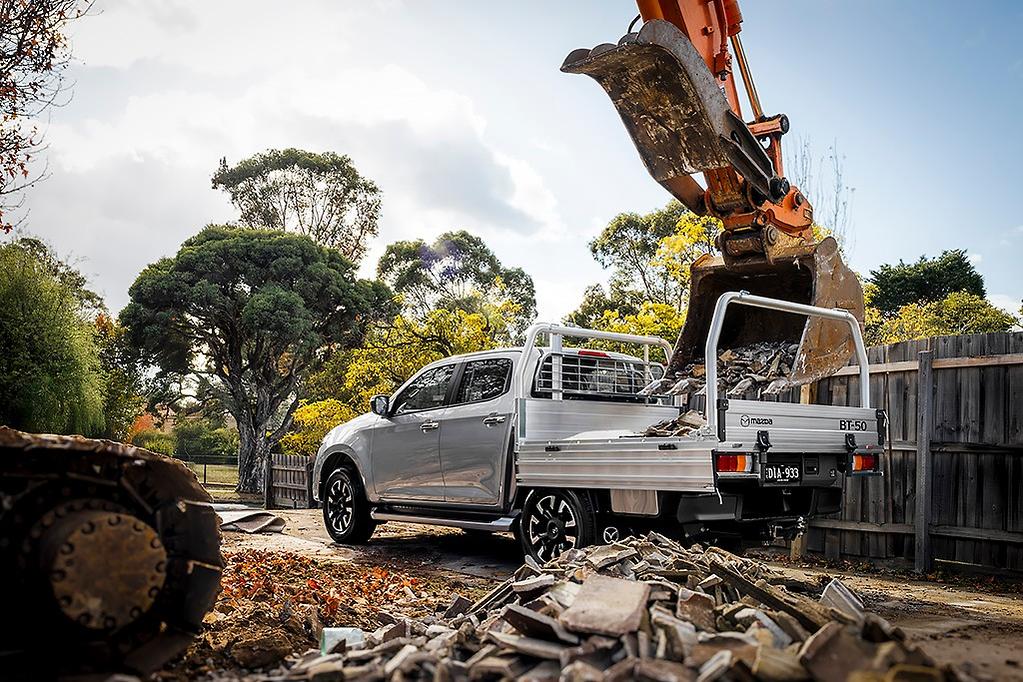
The 2.2-litre line-up expands from the exiting 1.9-litre single model to four models that are available only in the fleet-focused XS entry grade. All other grades are powered by the familiar 3.0-litre engine.

The four models are the re-engined $37,900 single cab chassis 4×2 and the three new models, the $46,710 XS dual cab chassis 4×2, the $53,120 XS dual cab chassis 4×4 and the $54,720 XS dual cab pick-up 4×4. All prices are excluding on-road costs.

Mazda is forecasting the base model single cab will continue to bump along at around 35 sales per month, while the dual cab 4×2 will add up to 40 sales per month.

The 4×4 pick-up is forecast to collect around 60 added sales and the 4×4 dual cab chassis 100 sales per month.

If achieved without cannibalisation of other BT-50 models, that adds an extra 200 overall sales per month.

Currently Mazda is slightly down on both 4×4 and 4×2 sales year-on-year. Based on combined  sales, the BT-50 is the seventh most popular ute in Australia.

Overall, 4×2 and 4×4 ute sales are up 1.52 per cent year-on-year.

Mazda Australia managing director, Vinesh Bhindi made it clear that Mazda was expecting strong ongoing performance by the segment. Pushing back on the contention made by Toyota Australia sales and marketing chief, Sean Hanley, that ute sales were at or past their peak and SUVs would likely become Australia’s biggest sellers.

At the core of Mr Bhindi’s rebuttal is the sales split in utes, which is 80 per cent non-private and 20 per cent private.

“Some brands were suggesting that maybe the ute segment has peaked, but we don’t hold that view,” Mr Bhindi said.

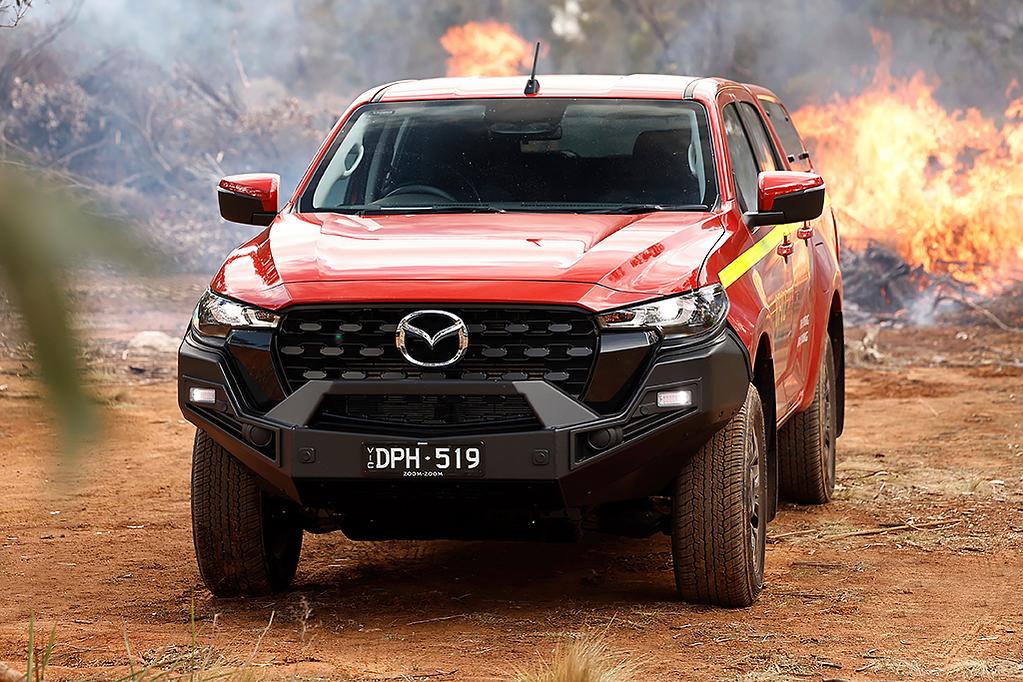
Mazda BT50 XS Cab Chassis

“Private buyers who buy [a ute] for lifestyle. Well, maybe they’ll consider other things. But it’s not huge.

“When you look at non-private buyers… which includes government, includes ABN [Australian Business Number] holders, if they need a ute, they’ll buy a ute.

“There could be some seasonality that will come into, into play, but nothing significant.”

Mazda BT50 Cab Chassis

The updated engine comes with more power, torque, better claimed fuel economy and a bump from 3000kg to 3500kg braked towing.

All those factors, along with the added drivetrain and cab chassis choice, would aid in its popularity, said Mr Bhindi.

“Our plan is to meet the market on what the consumer wants,” he said.

While BT-50 has been a fleet sales focus for Mazda for decades, an expanded fleet program was announced in early October that added all passenger car and SUV lines.

Mazda BT50 Cab Chassis

The Road Ahead 

An important reason Mazda is focusing on business buyers who need working utes is there is no sign of electrification for the BT-50.

That’s bad news when you consider the Shark 6 Plug-in Hybrid Electric Vehicle (PHEV) has been an instant hit in Australia and now outsells the BT-50.

According to Mr Bindi, there’s nothing planned for the current generation, which is expected to stick around another for five years.

Isuzu has a D-Max EV in Europe, but there’s no indication that or something else with an e-motor, battery and plug will become available for the BT-50.

“We don’t have that technology available to us,” said Mr Bhindi.

“This [diesel] is our offering to the marketplace.”

Related: Mazda BT-50 2.2 Dual Cab Chassis XS 4×4 2025 Review

This article originally appeared on carsales.com.au

Share this article:

LinkedIn logo

carsales for Business

Disclaimer:
The information presented in this article is true and correct at the time of publishing. business.carsales.com.au does not warrant or represent that the information is free from errors or omissions. The content is provided for informational purposes only and should not be construed as professional advice. For more details on our editorial standards and ethical guidelines, please visit our Editorial Guide Lines.