VFACTS 2025: Another record year for Australian new car sales

News
6 min read
Share this article:
News
10 min read

A late surge in sales helped push the industry to a new annual record for the third year in a row, with over 1.24 million new vehicles delivered in 2025

At a glance

For the third consecutive year, a record number of new vehicles (1,241,037) were sold in Australia in 2025 with Toyota finishing atop the leader board for the 23rd year in a row. As for the individual models, the Ford Ranger continued its run as the country’s most popular individual vehicle into a third year with 56,555 new registrations.

Key takeaways

  • New overall record for Australian vehicle sales
  • Toyota stays at number one
  • Ford Ranger top-selling individual model
  • Three Chinese brands in top 10
  • Nissan drops out of top 10

The Finer Details 

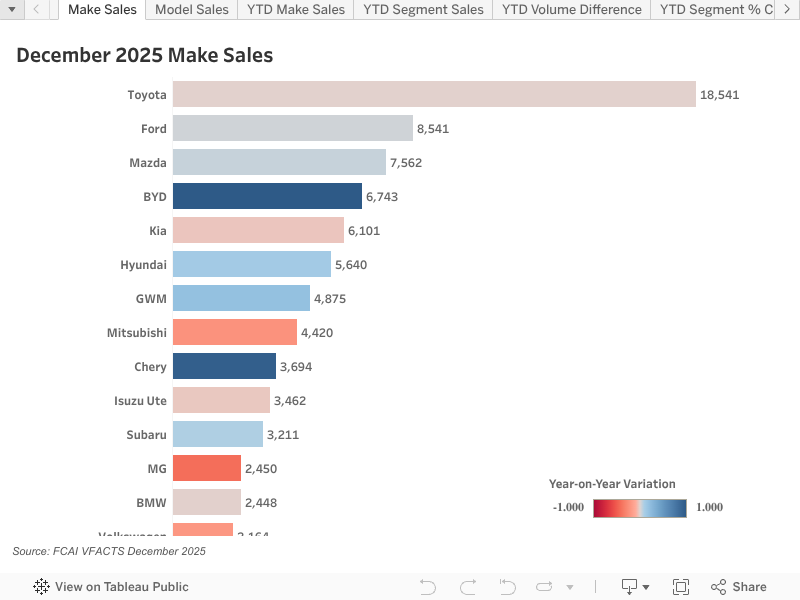
Based on numbers supplied by both the Federal Chamber of Automotive Industries (FCAI) and the Electric Vehicle Council (EVC), overall new vehicle sales increased from the 2024 record of 1,237,287 to 1,241,037 units in 2025, an increase of just 0.3 per cent.

December sales (101,513) were up 1.85 per cent year-on-year and pivotal to achieving the new record.

Toyota’s annual result was down fractionally (0.6%) to 239,863 from its 2024 high of 241,296 sales.

But the Japanese giant still claimed 19.8 per cent of all sales (one in every five) to more than double second placed Ford (94,399 – down 5.8%), which edged Mazda (91,923 – down 4.2%) for the second consecutive year.

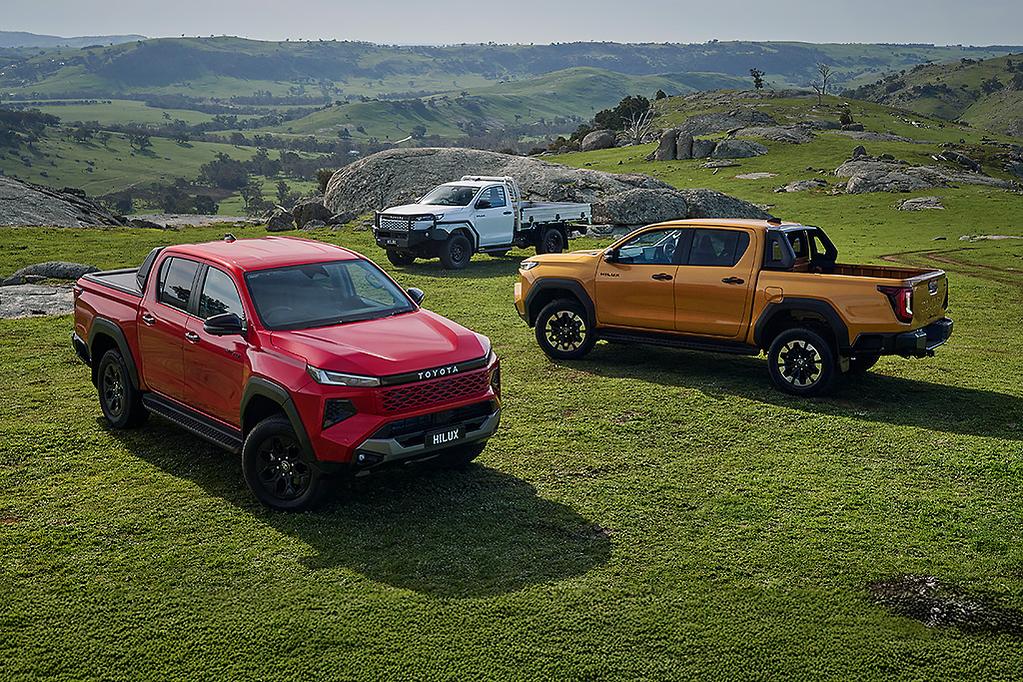
Toyota HiLux Range

Toyota had the biggest selling vehicle in six different VFACTS segments in 2025 while Ford led three.

Ford’s sales were dominated by the market-leading Ranger and its Everest SUV spin-off, which pipped the Toyota Prado by just 55 registrations (26,161 vs 26,106) to lead the sub-$80,000 large SUV segment.

Kia (82,105 – up 0.4%), Hyundai (77,208 – up 7.7%) and Mitsubishi (61,198 – down 17.%) completed the top six, with China’s GWM (52,809 – up 23.4%) and BYD (52,415 – up 156.2%), Isuzu Ute (42,297 – down 12.2%) and MG (41,298 – down 18.4%) rounding out the top 10.

Vehicles manufactured in China represented approximately 20 per cent of total new vehicle sales in 2025, up from around 14 per cent in 2024, making China Australia’s second-largest source of vehicles.

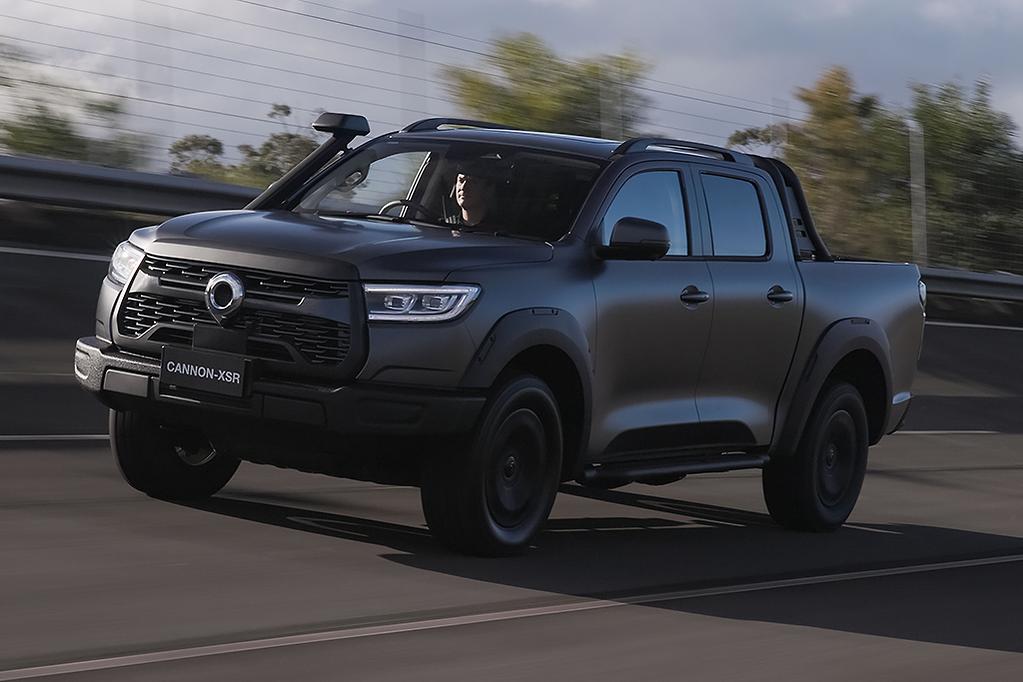
GWM Cannon XSR

Japan remained the largest source country, followed by Thailand. After China, Korea is in fourth place. Together, these four major Asian manufacturing nations represent 80 per cent of the market.

It was a first appearance in the annual top 10 for BYD, predictably led by the Shark 6 PHEV ute.

Nissan was the brand exiting the top 10, its sales down 21.6 per cent in 2025. It finished 12th behind Subaru.

Another Chinese brand, Chery, finished 13th overall with a stunning 176.8 per cent year-on-year sales increase.

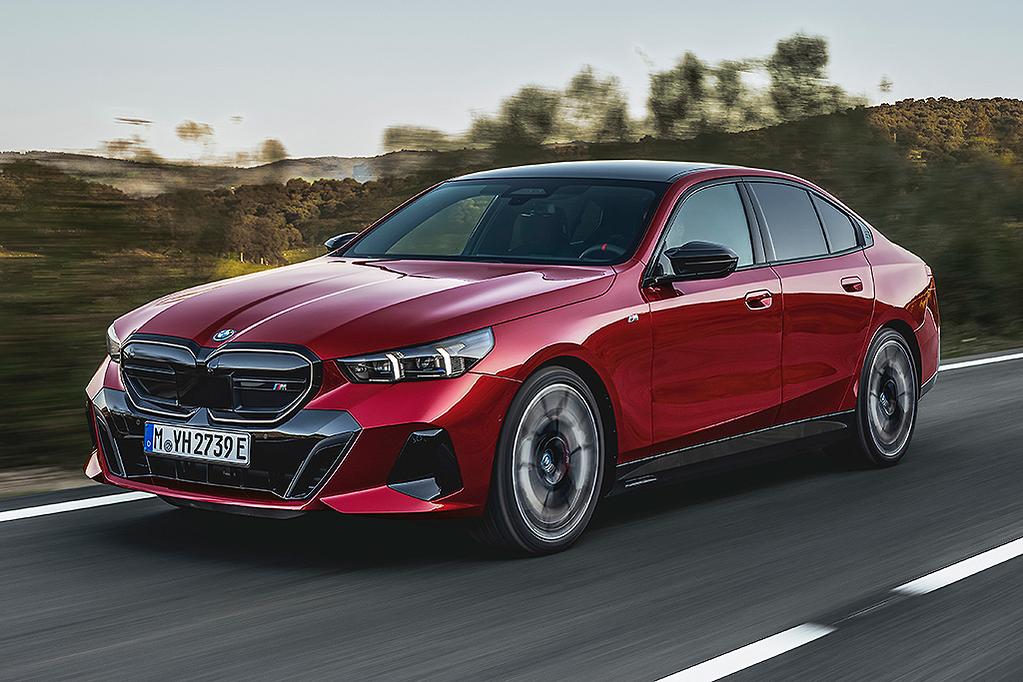
BMW was the country’s top-selling luxury marque, achieving 26,842 sales (up 1.9%) ahead of Mercedes-Benz (22,850 – up 14.3%), Audi (16,014 – up 4.4%) and Lexus (14,561 – up 6.7%).

BMW i5 M60 xDrive

The Ranger held on to top spot despite a 9.6 per cent decrease in sales.

There was a general downturn in the popularity of diesel-powered utes; the petrol-electric Shark 6 took chunks out of its rivals to slot into fourth in the 4×4 pick-up category with 18,073 sales despite only being offered – for now – as a single variant.

The other big ute arrival of 2025, the Kia Tasman, finished the year in 12th place, mitigated by only being on-sale for six months, but the sales average is still well short pre-launch expectations.

Behind the Ranger (56,555 sales) on the sale ladder came the Toyota RAV4 (51,947), Toyota HiLux (51,297), Isuzu D-MAX (26,839) and Ford Everest (26,161).

In terms of segment sales trends, SUVS accounted for 60.7 per cent of sales (up from 57%), light commercials 22.6 per cent (up from 22.2) and passenger vehicles 13 per cent (down from 16.7).

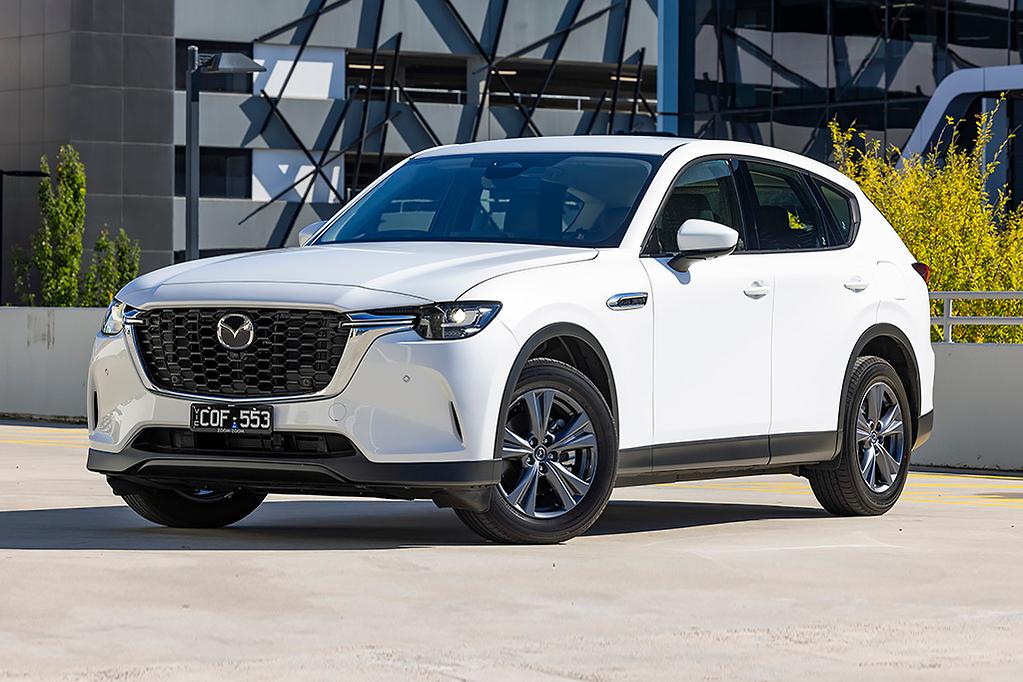
Mazda CX60 Evolve

Plug-in hybrid vehicles recorded the strongest growth of any drivetrain in 2025, with sales more than doubling to 53,484 units, an increase of 130.9 per cent compared with 2024.

Hybrids also continued to gain momentum, with 199,133 vehicles sold, up 15.3 per cent year-on-year, reinforcing their role as the most popular lower-emissions option among Australian buyers.

Battery-electric vehicle sales totalled 103,270 units, accounting for 8.32 per cent of total new vehicle sales for the year.

That’s a sizable 13.1 per cent rise in sales from 91,292 in 2024, despite a 24.8 per cent collapse in Tesla sales. However, it remains Australia’s most popular EV brand and the Model Y the top-seller in medium SUV over $60,000 as well as the 10th most popular model outright.

Tesla Model Y

Best-selling models of 2025

1
Ford Ranger
56,555
2
Toyota RAV4
51,947
3
Toyota HiLux
51,297
4
Isuzu D-MAX
26,839
5
Ford Everest
26,161
6
Toyota Prado
26,106
7
Hyundai Kona
22,769
8
Mazda CX-5
22,742
9
Mitsubishi Outlander
22,459
10
Tesla Model Y
22,239

Best-selling brands of 2025

1
Toyota
239,863
2
Ford
94,399
3
Mazda
91,923
4
Kia
82,105
5
Hyundai
77,208
6
Mitsubishi
61,198
7
GWM
52,809
8
BYD
52,415
9
Isuzu Ute
42,297
10
MG
41,298

* Data sourced from VFACTS
A modified version of this article originally appeared on carsales.com.au

Share this article:

LinkedIn logo

carsales for Business

Disclaimer:
The information presented in this article is true and correct at the time of publishing. business.carsales.com.au does not warrant or represent that the information is free from errors or omissions. The content is provided for informational purposes only and should not be construed as professional advice. For more details on our editorial standards and ethical guidelines, please visit our Editorial Guide Lines.