Why more data does not always lead to better dealership decisions

News
4 min read
Share this article:
News
4 min read

See how connected data can help dealerships focus on the metrics that matter and understand how decisions across sourcing, inventory and customers affect performance.

Dealerships rarely lack data. The harder part is bringing together the right information that connects to your dealership’s broader commercial goals. As margins tighten, the relationship between sourcing, inventory and customer decisions carries more weight. A decision that appears sensible through one lens, such as holding a vehicle to protect gross, can look very different when inventory age, changing market conditions and customer demand are considered together. 


Seeing the metrics that matter

In conversations with dealers during the development of Nexgate, the challenge was not simply access to more information. It was making sense of the measures across different areas of the business and understanding how they contributed to the same commercial outcome. 

Most dealerships already have access to inventory performance, enquiry activity, pricing information and reporting. The challenge is that this information often sits across several different systems. 

Some of those systems remain core to the dealership. A CRM manages customer relationships. A DMS keeps the broader operation running. 

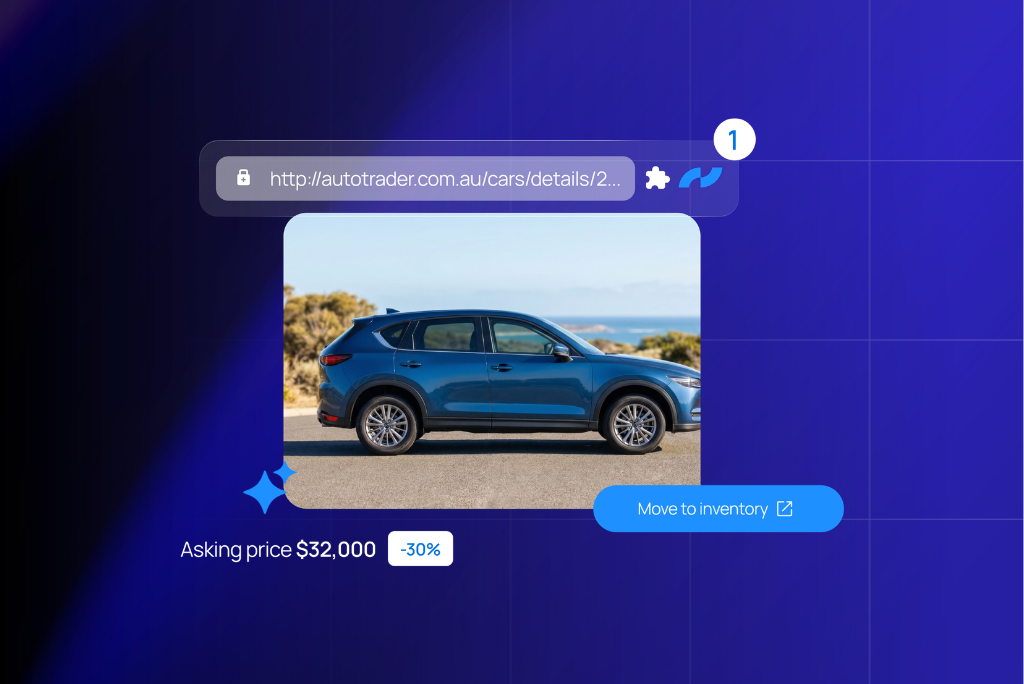
Browser Extension feature avaiable in Nexgate

Others have been added over time to solve more specific needs, including valuation, inventory management, customer communication and reporting. Nexgate brings more of those functions together in one connected platform. 
 

The challenge is not simply having multiple systems. It is making sure the information across them helps teams focus on the same commercial priorities, rather than optimise individual metrics in isolation. 


Thinking beyond departments 

Traditionally, sourcing, inventory and customer management have been treated as separate disciplines. But commercially they’re connected.

The vehicle sourced today becomes tomorrow’s inventory decision. Inventory performance influences pricing decisions. Customer demand influences what stock gets purchased next. 

Connecting these decisions does not mean replacing every system a dealership uses. It means making it easier for the right information to stay with the vehicle as it moves from sourcing to sale. 

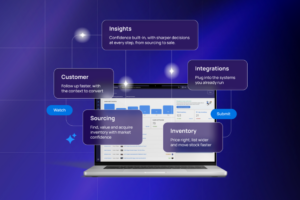
That is the operating philosophy behind Nexgate. It connects sourcing, inventory and customer workflows so teams can see how decisions across the vehicle journey relate to one another, with market intelligence and guidance closer to the moments that matter. 

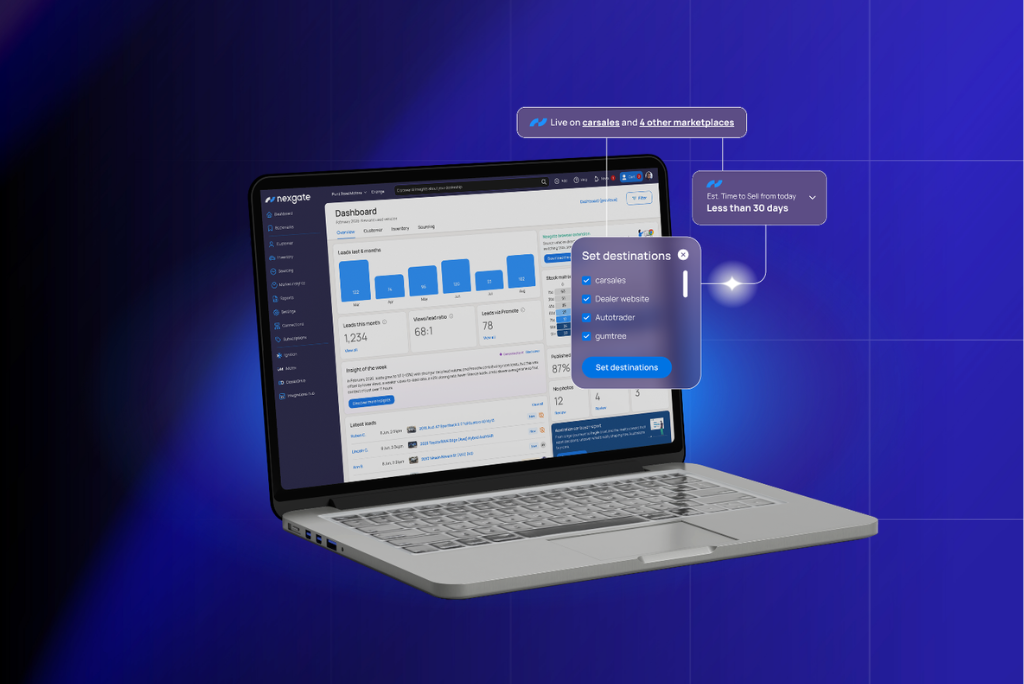
Inventory Distribution feature available in Nexgate

A simple exercise 

This week, pick one vehicle in your inventory, then ask: 

  • Why did we buy it? How much did it cost to get it ready for sale? 
  • What was the recommended price when we first listed it? How has it changed since? 
  • How long has it been seating on the yard? What are the daily holding costs? 
  • What do current market conditions and customer demand suggest we should do next? 
  • What if I had faster stock turn with flexible gross per unit? 

 
If the answers create a consistent view of the vehicle and its role in your wider inventory strategy, that’s a good sign.

If each answer points to a different system, team or version of success, there may be an opportunity to bring those measures into a clearer view. Explore how Nexgate connects insights and workflows across the vehicle journey.

Share this article:

LinkedIn logo

carsales for Business

Disclaimer:
The information presented in this article is true and correct at the time of publishing. business.carsales.com.au does not warrant or represent that the information is free from errors or omissions. The content is provided for informational purposes only and should not be construed as professional advice. For more details on our editorial standards and ethical guidelines, please visit our Editorial Guide Lines.