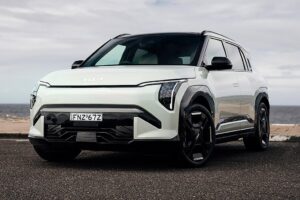
The headlong rush toward EVs may not even be achievable, says industry expert – but there are other ways to get there
In the wake of the coronavirus pandemic, the focus on reducing carbon dioxide-based emissions has once again ramped up across the globe.
In the sights of many governments is a move away from fossil fuel use across many sectors, including transport.
As a result, state and federal authorities around the world have announced plans to phase out the sale of internal combustion engine (ICE)-powered vehicles to the general public, which will be replaced by battery-electric vehicles (BEVs) in the main.
But the relatively short deadlines being imposed on this switch is causing consternation within the wider automotive sphere – and some are even questioning the need to do away with ICE to achieve the desired outcome of decreased CO2 emissions.
Electrify sensibly
“So interestingly, Porsche is a company that will continue to produce internal combustion engine vehicles longer than I think probably most other car companies; it’s in their DNA,” says the chairman and president of Bosch Australia, Gavin Smith.
“And they’ve actually stated that they will keep making, I believe the 911 with an internal combustion engine, but they’re also the first car company that has committed to being net zero emissions at scope three by as early as 2030.
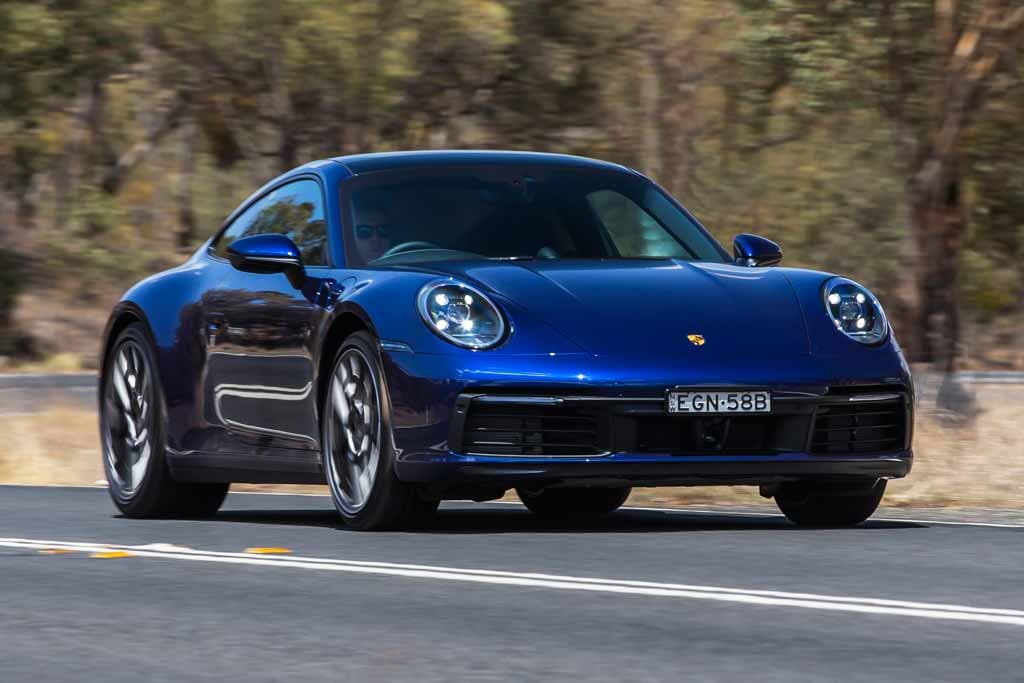
“So their strategy clearly is to electrify sensibly. What you can electrify, what you can’t electrify or don’t want to electrify, provide a carbon neutral alternate fuel so that the tailpipe emissions are literally net zero.”
Right idea, wrong execution
Smith, whose company supplies a vast tranche of the globe’s automotive makers with parts and technology, maintains that trillions of dollars will potentially be wasted over the coming decades, simply because of the way much of the legislation has been defined.
He argues that the smarter solution would have been to challenge industry to reduce or eliminate emissions without the proviso that it should be achieved via a ramp-up in the production of BEVs.
“Everyone rushes to the propulsion engine of choice, defined by someone that should have just said a target is zero emissions. How can you get there?” he asked rhetorically.
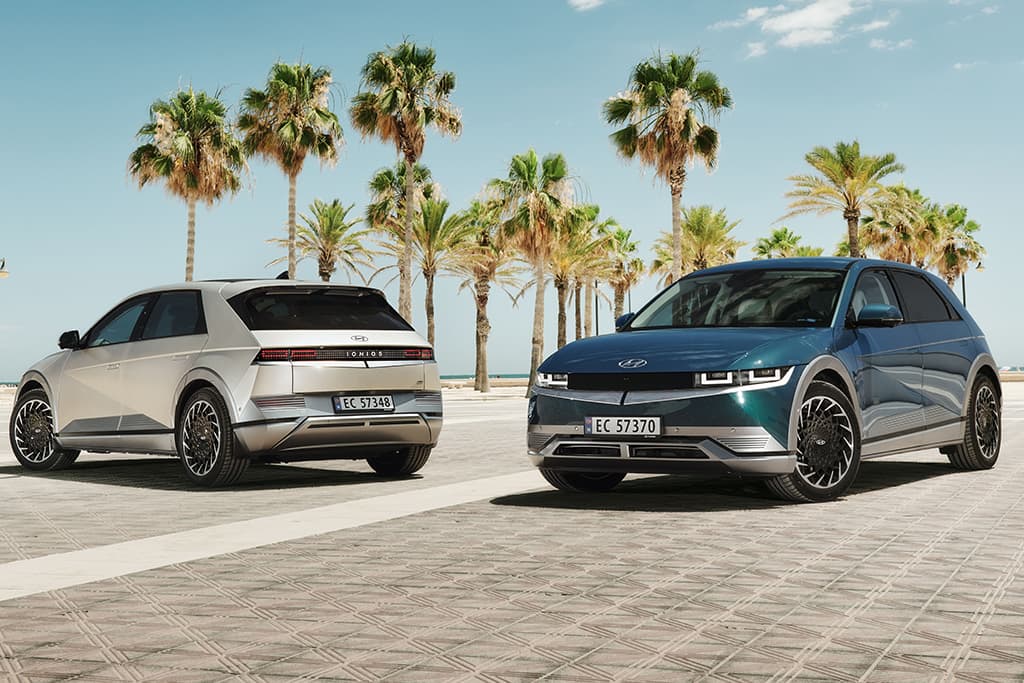
“What we’re seeing around the globe is that in, in some jurisdictions, the governments are starting to realise that they cannot actually achieve what they have defined in policy, because the infrastructure and the way people use, park and will recharge their cars, can’t support it.
“Without going into too much detail, there is debate in a number of governments. What do we now do? Because we realise what we have defined is not sensible.”
Australia’s hydrogen future
Smith pointed to Australia’s potential in the hydrogen space as an example of a method to achieve lower emissions.
“Hydrogen is going to be a big thing in Australia, and we’re making lots of presentations to our board overseas about the market opportunity, the production opportunity and why Australia might be a good location for further investment relating to hydrogen”, he said.
“Reports by the consulting firms put Australia in the top five hydrogen producers worldwide by the time we’re in the 2030s.
“The reason for that is that firstly, we, we have a need to replace some of our existing exports. We’ve got the perfect environment given that we’ve got access to space, we’ve got access to good renewables, and we’ve got access to a lot of water that we can desalinate.
“And we’ve got lots of land, which isn’t populated and what you need for hydrogen production at scale is all of the above.”
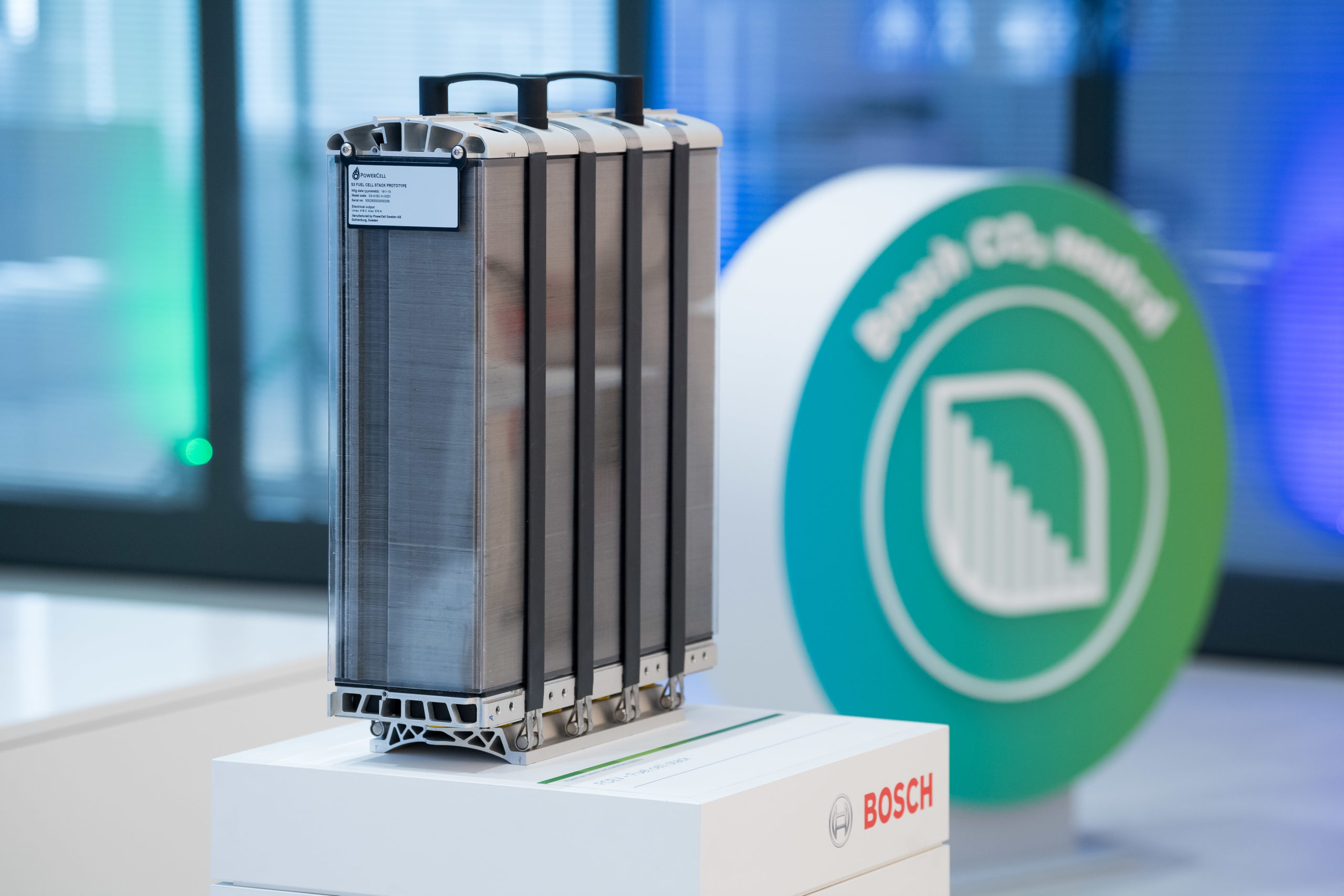
With a push toward hydrogen production, the need for machinery and infrastructure also ramps up, according to Smith.
“Electrolysers and fuel cells then become an interesting question. Is there an opportunity to do more in Australia to design and manufacture and supply those?” he said.
Trucking on with hydrogen
Smith also pointed to the heavy transport sector as a potential area of growth for hydrogen.
“We’ve got long distances driven by road trains and large heavy trucks. We don’t have a well-developed rail infrastructure for interstate goods delivery, and the cost of diesel fuel will continue to escalate,” he said.
“We’re now seeing our customers in heavy transport with a growing number of projects to bring versions of their prime movers with hydrogen fuel cell to market. And in Australia, all you’d have to do would be to have a hydrogen filling station on the outskirts of each of the major cities heading north, south, east or west. And then that becomes the refill point.
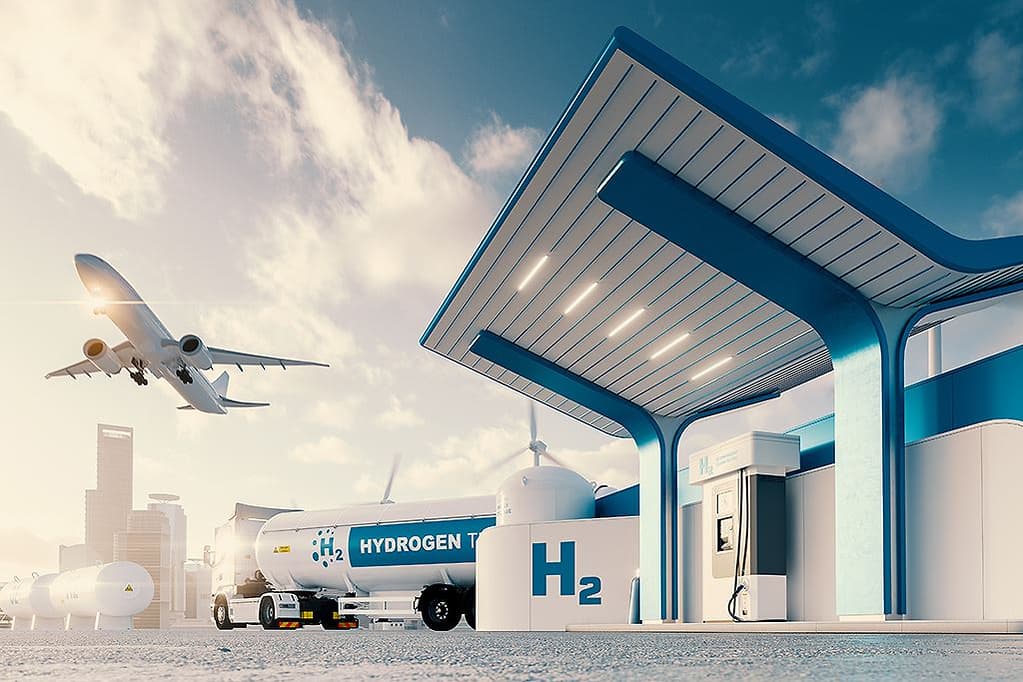
“You wouldn’t need infrastructure everywhere to support the interstate and intercity distribution. And once that’s in place, then clearly people get to understand hydrogen.”
EV is still the way
Smith reiterated that electric propulsion is still the correct destination, but the way the world gets there needs to be viewed in a wider context.
What we see is that the future is definitely electric,” he said.
“Vehicles will be powered by electric motors or driven by electric motors, whether their motors are getting their power from a large capacity battery, whether they’re getting it from a hydrogen fuel cell that’s then filling a battery to drive the motor, whether it’s a small internal combustion engine which is powered by synthetic fuel, that then charges a battery to run the electric motor.
“We think that there are many alternatives and there will likely be different solutions depending on the vehicle type and its application. Even today, there is no one solution. We have diesel, we have LPG, we have CNG, we have gasoline, we have unleaded gasoline.
“There are different technologies already in play. And that, that will likely continue even in an electrified transport world.”