Fortescue Zero targets ultra-fast charging for heavy vehicles

News
4 min read
Share this article:
News
10 min read

Mining giant wants 6000kW charging technology to keep electric haul trucks moving

Fortescue is developing ultra-high-power charging technology that could dramatically reduce charging times for electric heavy vehicles, with the company targeting charging outputs of up to 6000kW.

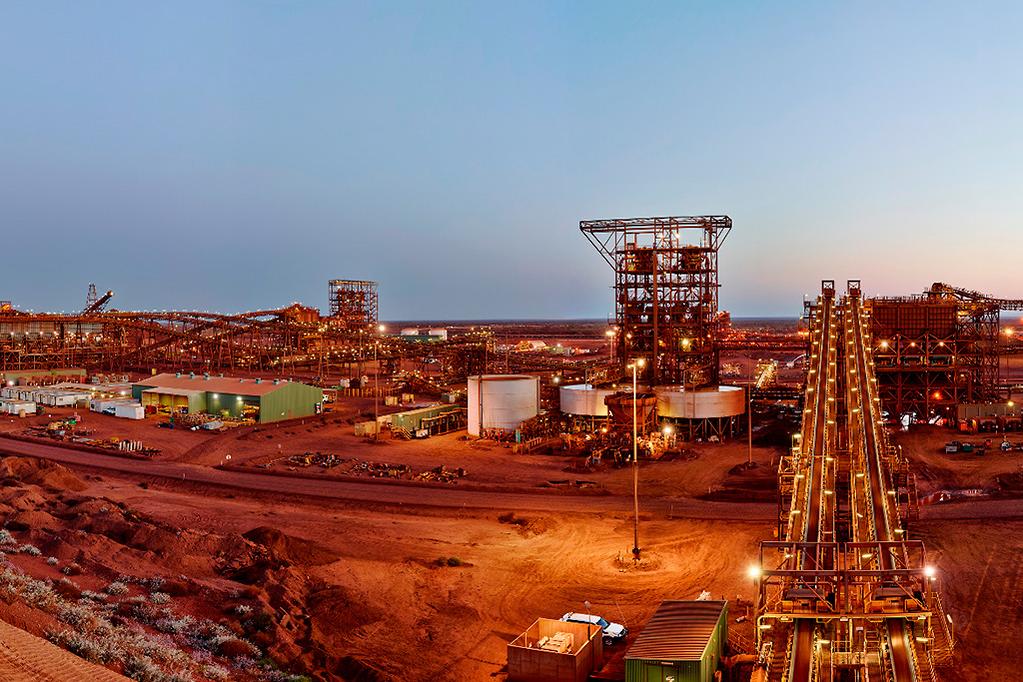
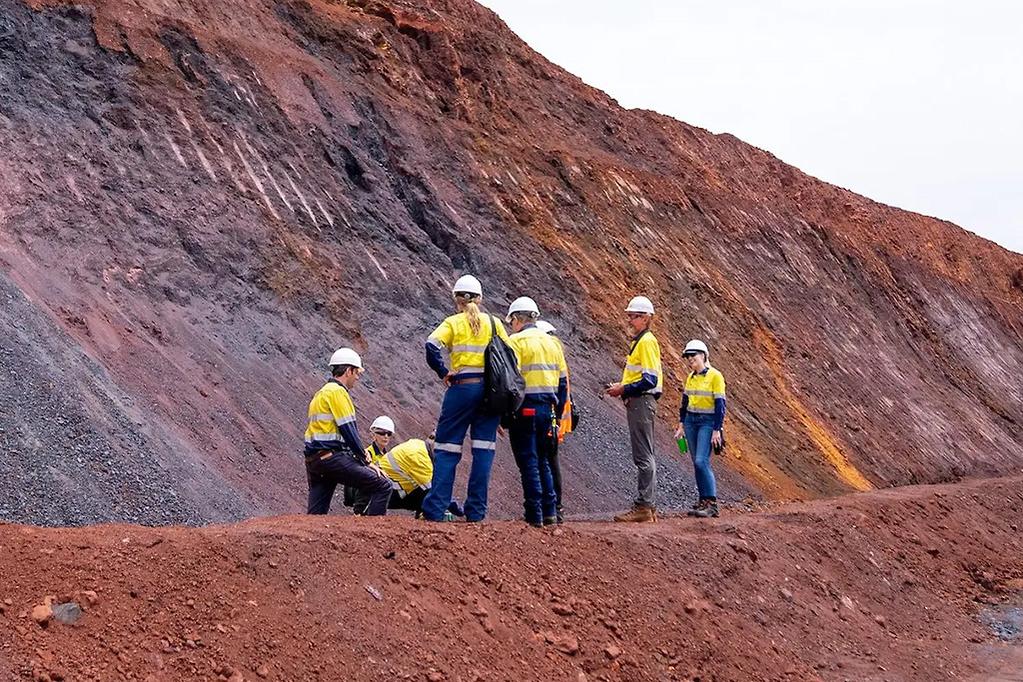
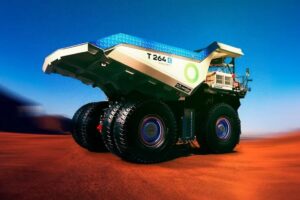
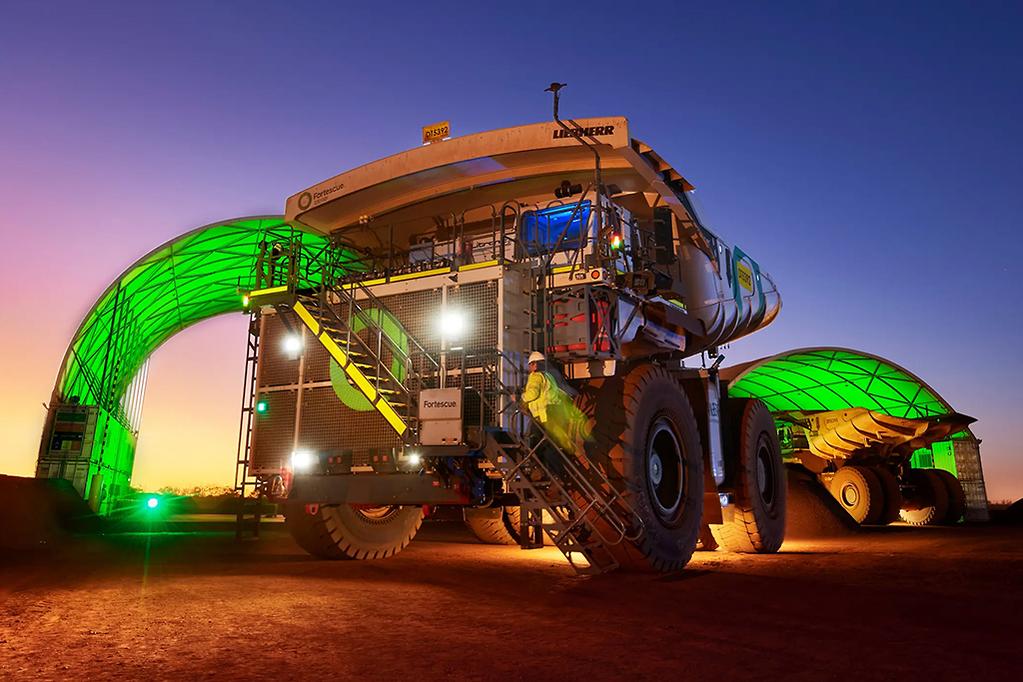
The technology is being developed through Fortescue Zero, the company’s UK-based engineering division, and is intended to support the electrification of the mining giant’s Pilbara operations by 2030, including its fleet of 240-tonne haul trucks.

While ultra-fast charging is increasingly becoming a selling point for passenger EVs, Fortescue’s development program is focused on a far larger challenge: keeping commercial equipment productive without lengthy charging downtime.

The company’s Fortescue Zero division, formerly Williams Advanced Engineering, is developing battery, motor, software and charging technologies to support the electrification of large-scale commercial operations.

At the centre of that effort is a 6000kW charging system designed to recharge massive haul truck battery packs in as little as 30 minutes, helping minimise interruptions to productivity.

The technology builds on expertise already demonstrated in Formula E racing.

Fortescue Zero introduced a 600kW ‘Pit Boost’ charging system for the electric racing category, allowing cars to add around 10 per cent battery charge in approximately 30 seconds.

By comparison, Australia’s most powerful publicly accessible EV charging stations currently deliver around 400kW, highlighting the enormous scale of the charging infrastructure being developed for commercial applications.

Fortescue Energy and Growth chief executive officer Gus Pichot said motorsport provides an ideal environment to accelerate technology development.

“In racing every second counts, and innovations can be the difference between winning and losing,” Pichot said.

“The same goes for decarbonising our mining operations.

“We need technology that can operate at extremes and push the limits. Without motorsports as an incubator and proving ground, we would not be as advanced in our decarbonisation journey as we are today.”

The electrification push extends beyond environmental goals. Fortescue estimates transitioning away from diesel could remove more than 680 million litres of annual fuel consumption across its operations.

With fuel representing a major operating cost for large commercial businesses, reducing dependence on diesel could provide significant protection against price volatility while lowering emissions.

Fortescue’s mining operations may provide one of the world’s largest real-world test beds for heavy-duty battery-electric equipment and megawatt-scale charging infrastructure.

If successful, technologies developed for 240-tonne haul trucks could eventually find their way into a broader range of off-highway equipment, including quarry machinery, construction vehicles and industrial transport fleets.

As companies with heavy vehicles globally face increasing pressure to reduce emissions without sacrificing productivity, ultra-fast charging technology could emerge as a key enabler of large-scale fleet electrification, particularly in sectors where downtime carries significant operational cost.

A modified version of this article originally appeared on farmmachinerysales.com.au

Share this article:

LinkedIn logo

carsales for Business

Disclaimer:
The information presented in this article is true and correct at the time of publishing. business.carsales.com.au does not warrant or represent that the information is free from errors or omissions. The content is provided for informational purposes only and should not be construed as professional advice. For more details on our editorial standards and ethical guidelines, please visit our Editorial Guide Lines.