Home / Every new Hybrid and PHEV coming to Australia by 2027
Every new hybrid and PHEV coming to Australia by 2027
News
4 min read
Share this article:
News
10 min read
Hybrid and PHEV demand is climbing, and the next 18 months will bring a steady run of new models into Australian showrooms.
Despite EV intent growing in leaps and bounds so far in 2026, as unveiled in Australia’s Car Buyer Report, Hybrids are still seen as the preferred new energy option for local buyers, especially when going fully electric doesn’t suit. Simply put, they give buyers the best of both worlds: the quick refuelling, character and affordability of petrol, paired with the quietness, refinement and lower running costs of going electric.
So, with this in mind, we’ve gone through the new-car calendar and pulled together every confirmed hybrid and plug-in hybrid landing between now and the start of 2027.

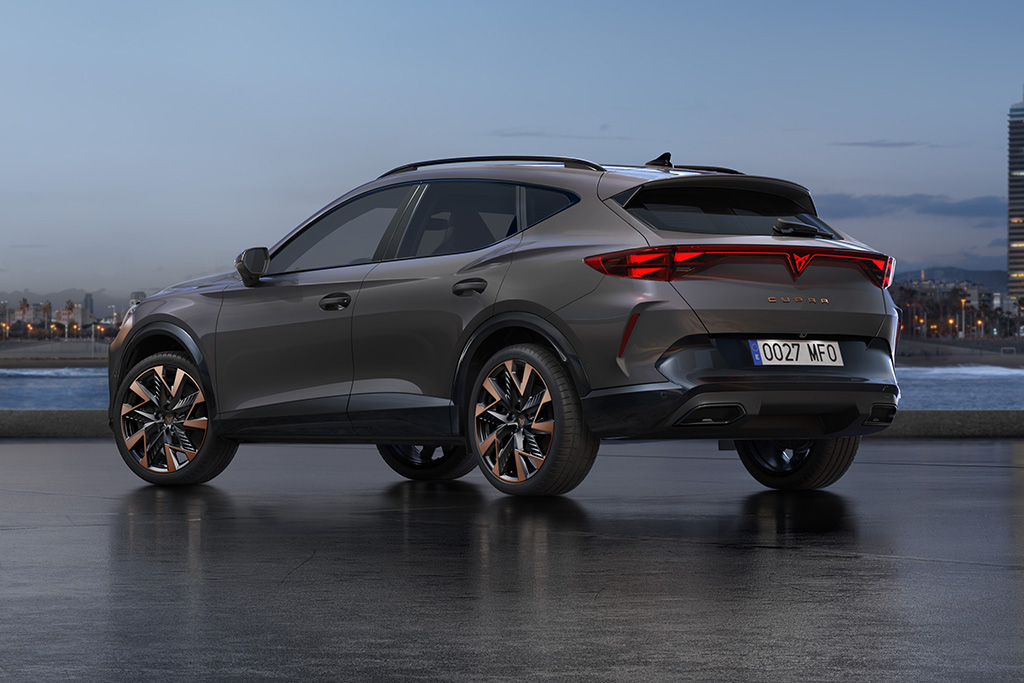
Cupra Formentor VZe (May)
One of the more engaging options on the list. The 2026 Formentor VZe is a performance-focused small SUV with a 200kW plug-in hybrid and over 100km of electric-only range. It pairs hot-hatch-style drive with PHEV efficiency in a practical package.
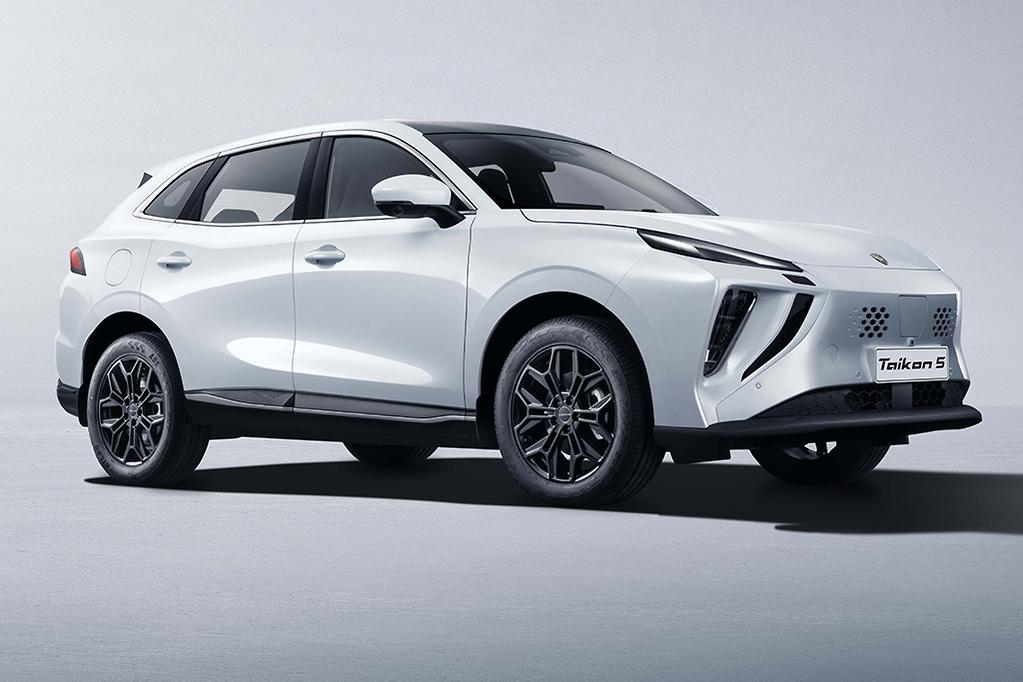
Forthing Taikon 5 (June)
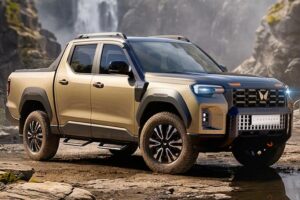
A new name in the Australian market. The 2026 Taikon 5 medium SUV arrives in battery-electric and range-extender hybrid forms. The hybrid uses a small petrol engine as a generator for the 31.9kWh battery, which feeds a 120kW/240Nm electric motor. Total range is up to 1050km, with 170km on electricity alone.
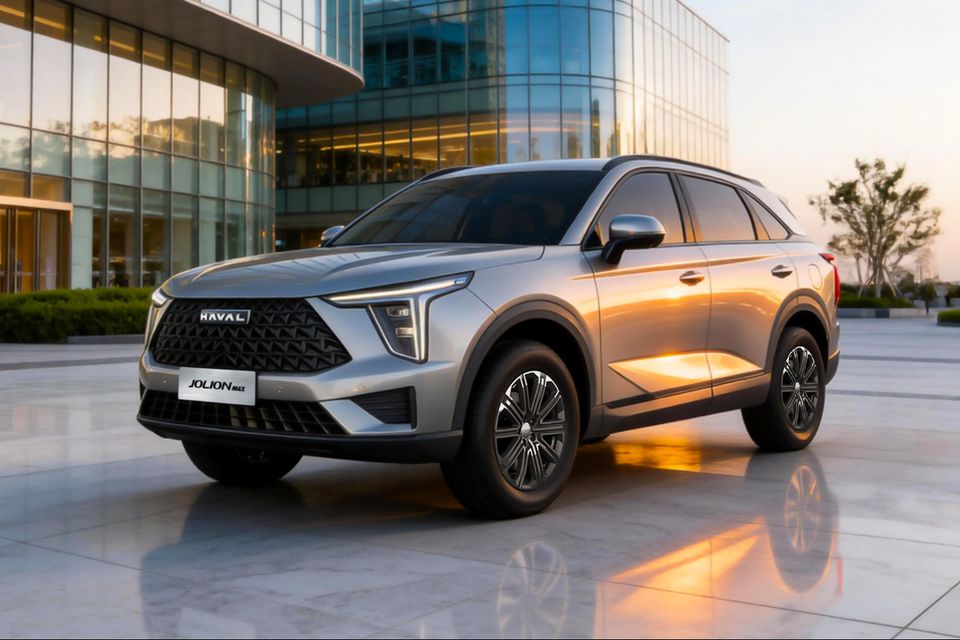
GWM Haval Jolion Max (Q3)
Set to sit between the compact Jolion and the mid-size H6, the 2026 Jolion Max is expected in plug-in hybrid and battery-electric forms. Details are light, but arrival is pencilled in for the third quarter.
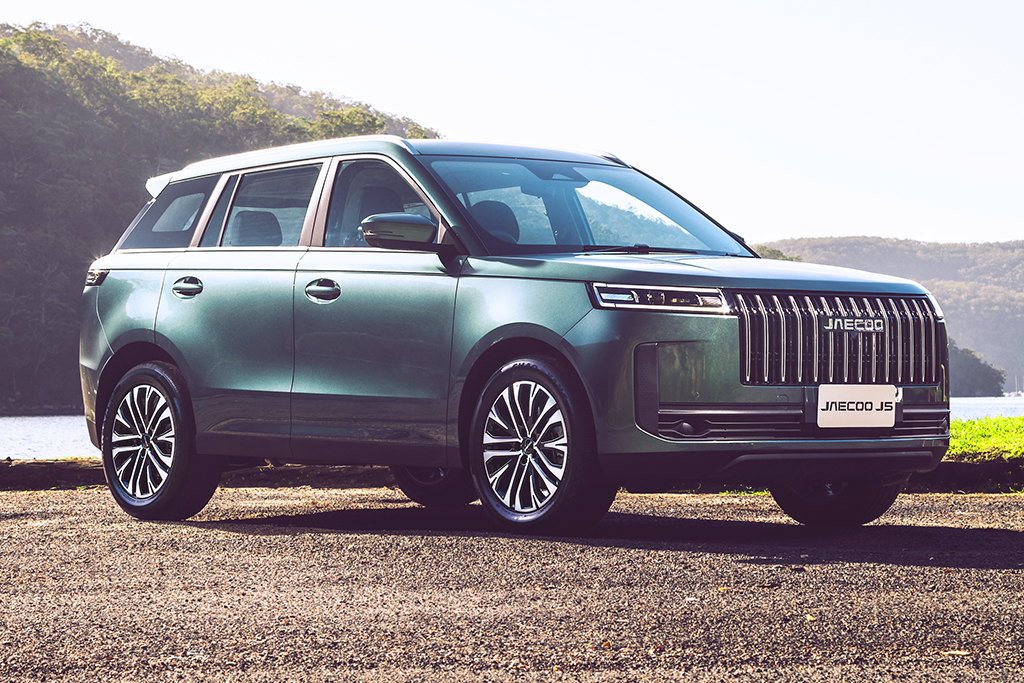
Jaecoo J5 (Q2)
Coming in as a cheaper alternative to the J5 EV already on sale. The 2026 J5 hybrid pairs a 1.5-litre petrol engine with a 1.8kWh battery for a combined 108kW. That puts it behind the GWM Haval Jolion and Toyota Corolla Cross on paper, but in line with the Hyundai Kona Hybrid. Originally due in February, it’s likely only weeks or a couple of months away.
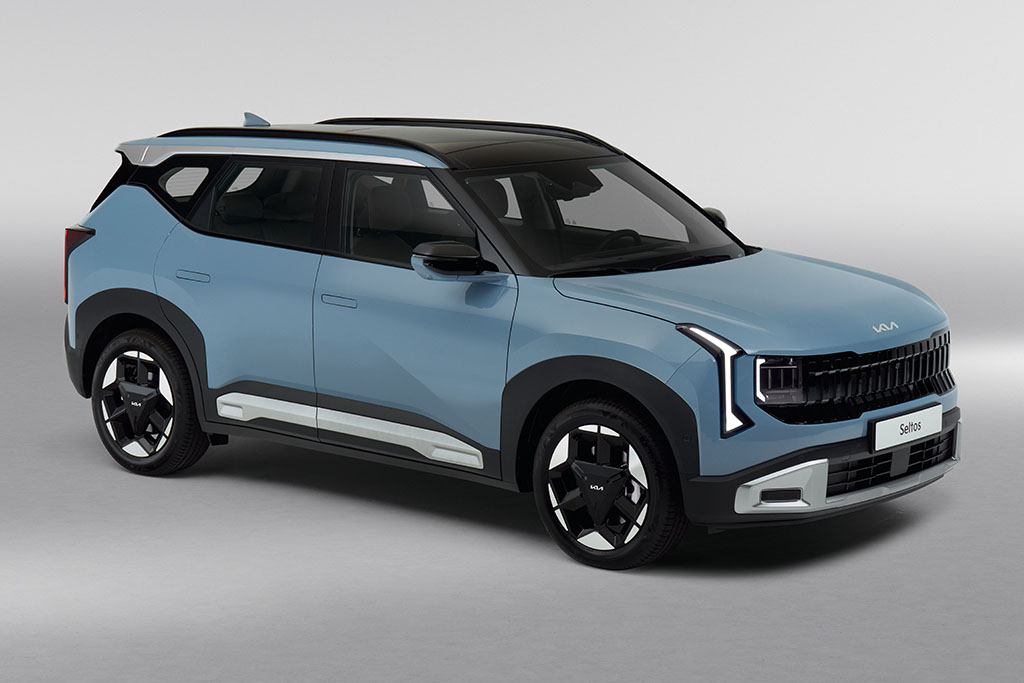
Kia Seltos (Q4 2026)
The 2026 Seltos goes hybrid-only when it arrives in Q4, mirroring the Toyota Corolla Cross it’s chasing. The 1.6-litre system makes a combined 104kW/265Nm (same as the related Hyundai Kona Hybrid) and drives the front wheels through a six-speed dual-clutch auto. That should make it one of the more engaging drives in the segment.
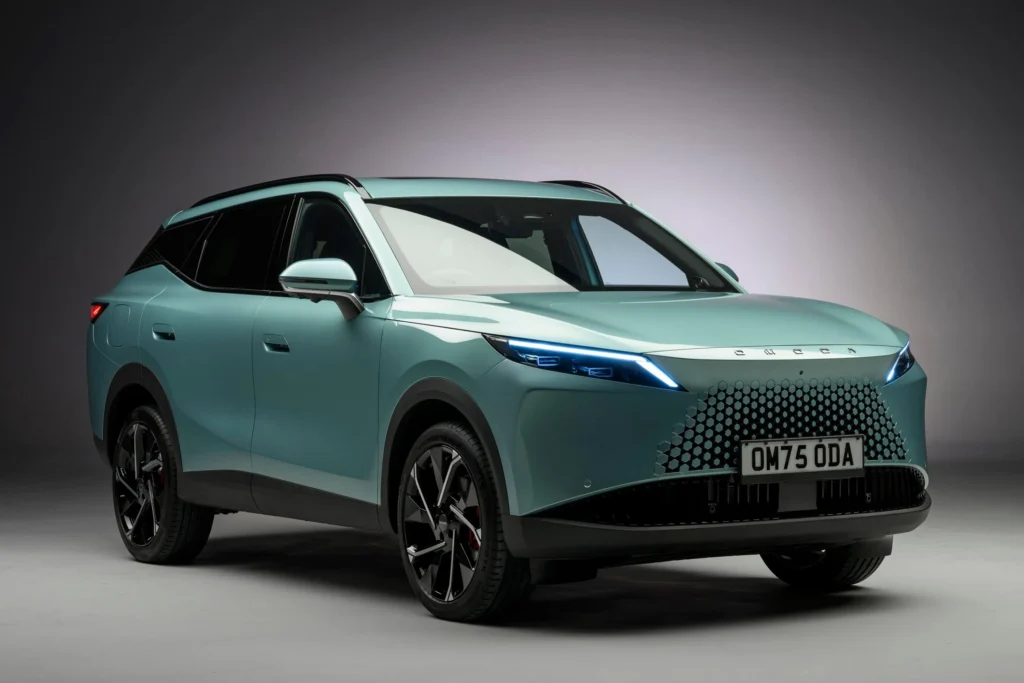
Omoda 7 (Mid-year)
Another Chery sub-brand. The 2026 Omoda 7 is tipped for mid-year with a 255kW/525Nm plug-in hybrid system, expected to be shared with the Jaecoo J7 SHS. That points to an 18.3kWh battery and around 90km of WLTP electric range. Government approval documents show the model will be front-wheel drive only.
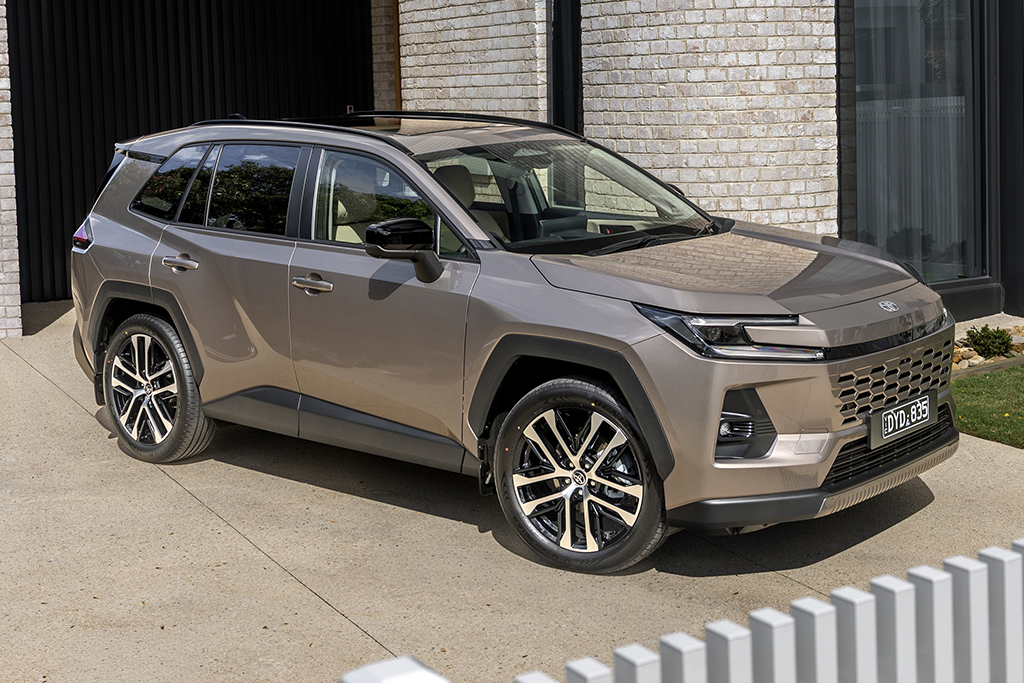
Toyota RAV4 (Q3)
One of Australia’s best-selling SUVs gets its first plug-in hybrid. The latest-generation Toyota RAV4 PHEV (200-220kW) arrives in the third quarter, sitting above the self-charging hybrids already on sale. It carries a meaningful price premium, so how buyers respond will be worth watching.
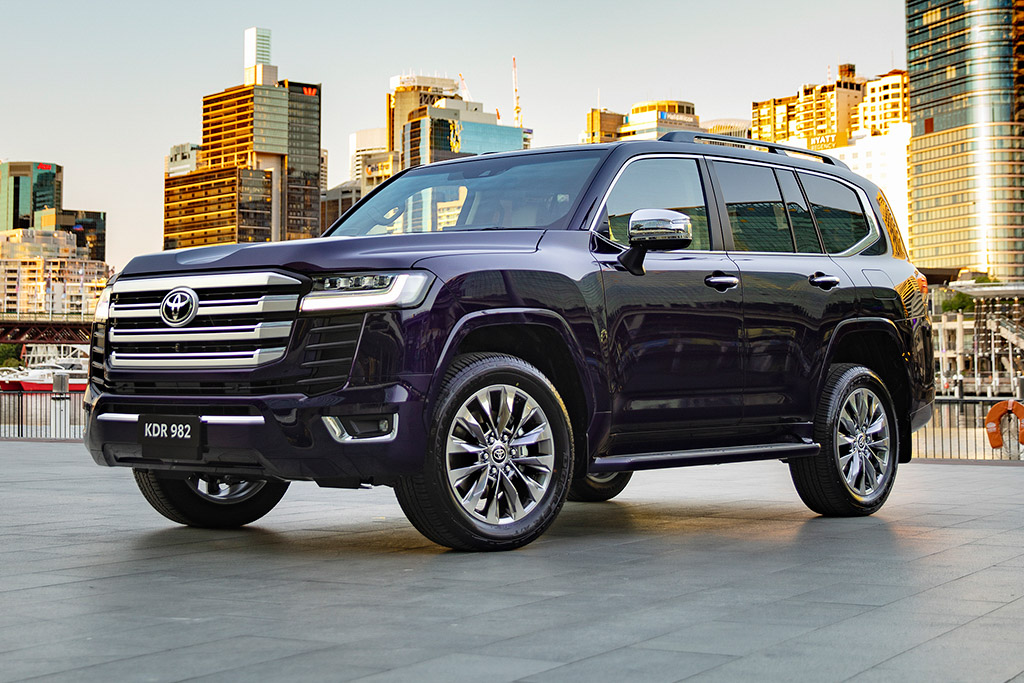
Toyota LandCruiser 300 Series (Q3)
The 2026 LandCruiser 300 Series is set to arrive in the second half of the year with the ‘iForce Max’ twin-turbo V6 petrol hybrid from the US-market Tundra. Outputs are expected to land at 340kW/790Nm. The hybrid powertrain will be reserved for the flagship Sahara ZX and GR Sport grades.
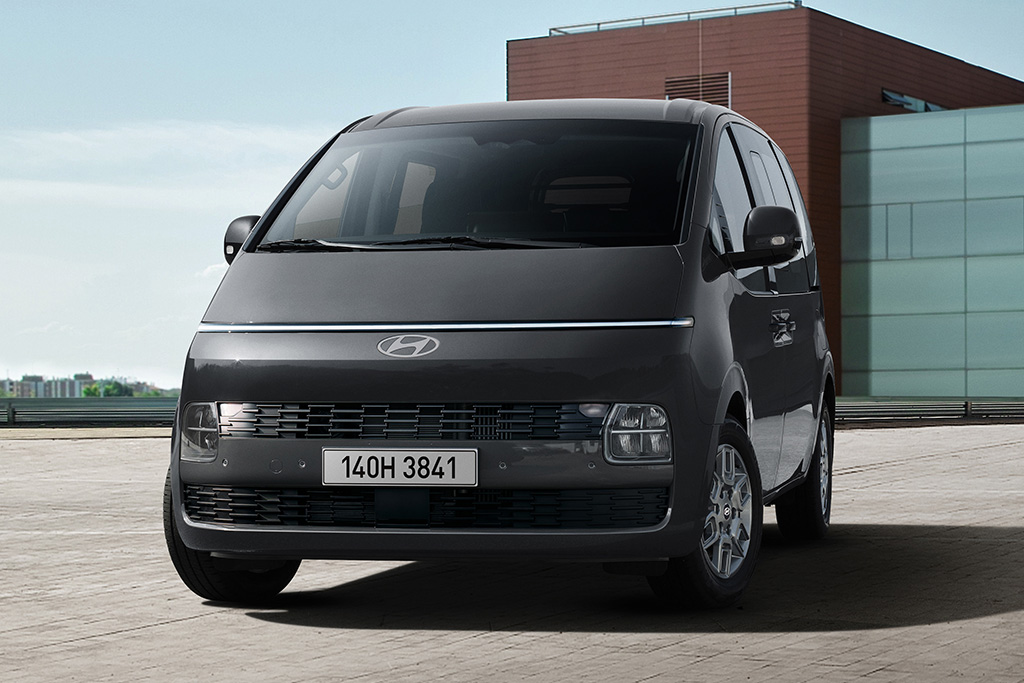
Hyundai Staria and Staria Load (June)
Both the 2026 Staria Load and Staria MPV pick up a 180kW version of Hyundai Group’s 1.6-litre turbo-hybrid in June, the same system used in the Kia Carnival. On the Staria Load, the hybrid is available on standard and Premium trims. On the Staria MPV, it’s reserved for the new flagship Lounge grade
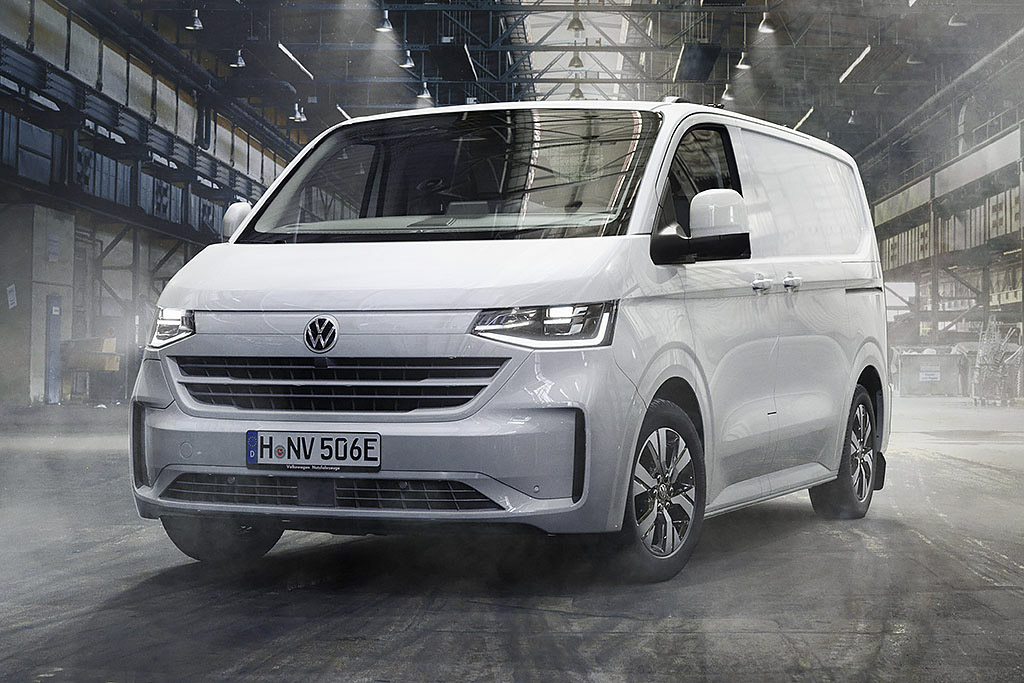
Volkswagen Transporter eHybrid (Mid-year)
Developed alongside Ford, the 2026 Transporter eHybrid pairs a 2.5-litre petrol engine with a single electric motor and a 16.5kWh lithium-ion battery for a combined 171kW. Electric range is up to 60km, slotting between the core diesel line-up and the battery-electric version.
EV intent is high and growing, but as outlined in Australia’s Car Buyer Report, hybrids remain the new-energy solution of choice for Australian buyers, both plug-in and standard, with many buyers still seeing them as the pragmatic next step.
For dealers, that’s a good story. The steady stream of new models arriving between now and 2027 means plenty to stock, plenty to talk buyers through, and plenty of opportunity to meet them where they’re at on the road to electrification.
One final note: this list doesn’t include the electrified models already released in 2026. It’s purely a roadmap of what’s coming next.
Want to get the latest on how hybrid, PHEV and EV demand is tracking in your market?
Chat with your account manager today.
Share this article:
Disclaimer:
The information presented in this article is true and correct at the time of publishing. business.carsales.com.au does not warrant or represent that the information is free from errors or omissions. The content is provided for informational purposes only and should not be construed as professional advice. For more details on our editorial standards and ethical guidelines, please visit our Editorial Guide Lines.