Home / Australian-made EVs could revive local manufacturing
Australian-made EVs could revive local manufacturing
News
4 min read
Share this article:
News
10 min read
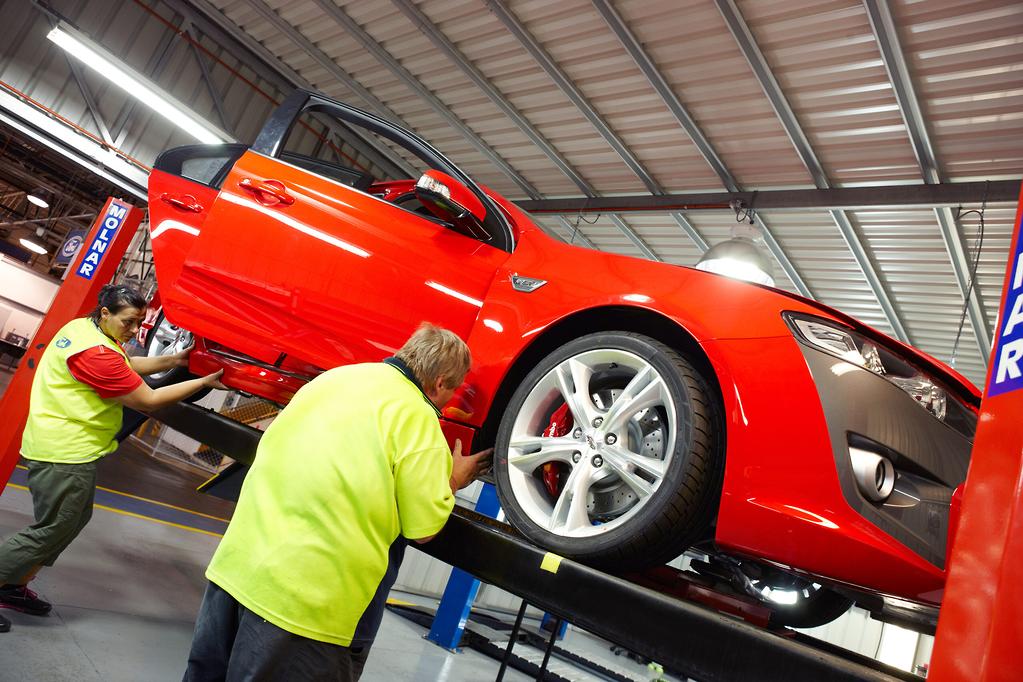
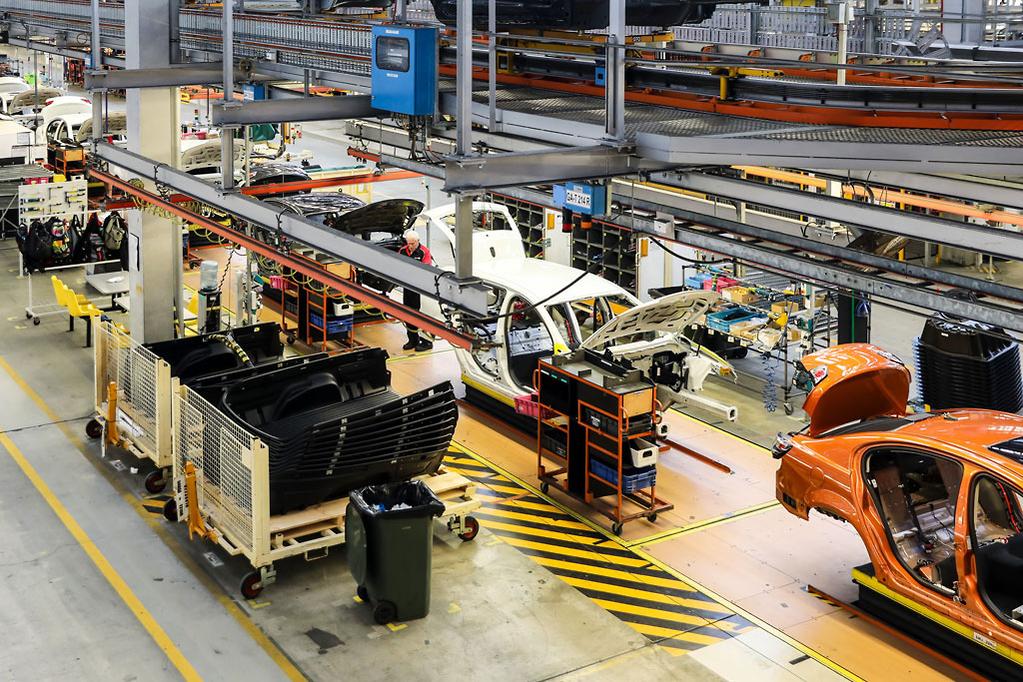
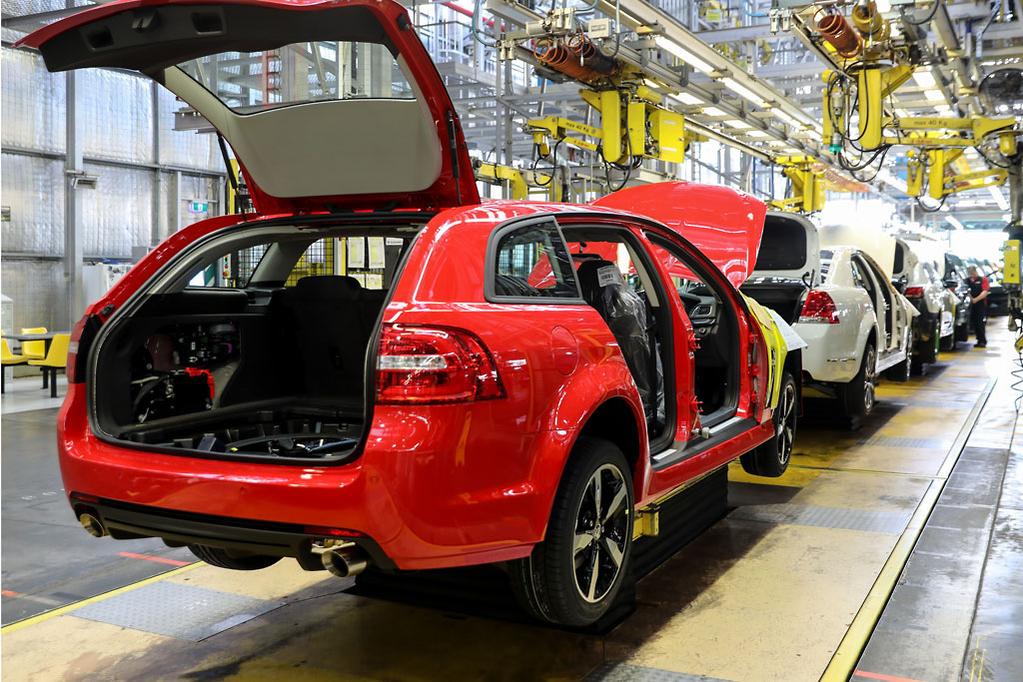
Prime Minister Anthony Albanese has suggested Australia could once again manufacture cars locally. The PM reportedly said electric vehicles could potentially lead a revival of the country’s automotive industry nearly a decade after Holden, Ford and Toyota shuttered domestic production.
Speaking at a recent News Corp event, Prime Minister Anthony Albanese reflected on the closure of Australia’s local automotive manufacturing industry and suggested “there’s no reason why we can’t make [electric] vehicles [here]”.
The comments were reported by the Herald Sun newspaper.
“At the very least, we can make parts and components, including batteries here. Indeed there are companies looking at doing just that,” reported the newspaper.
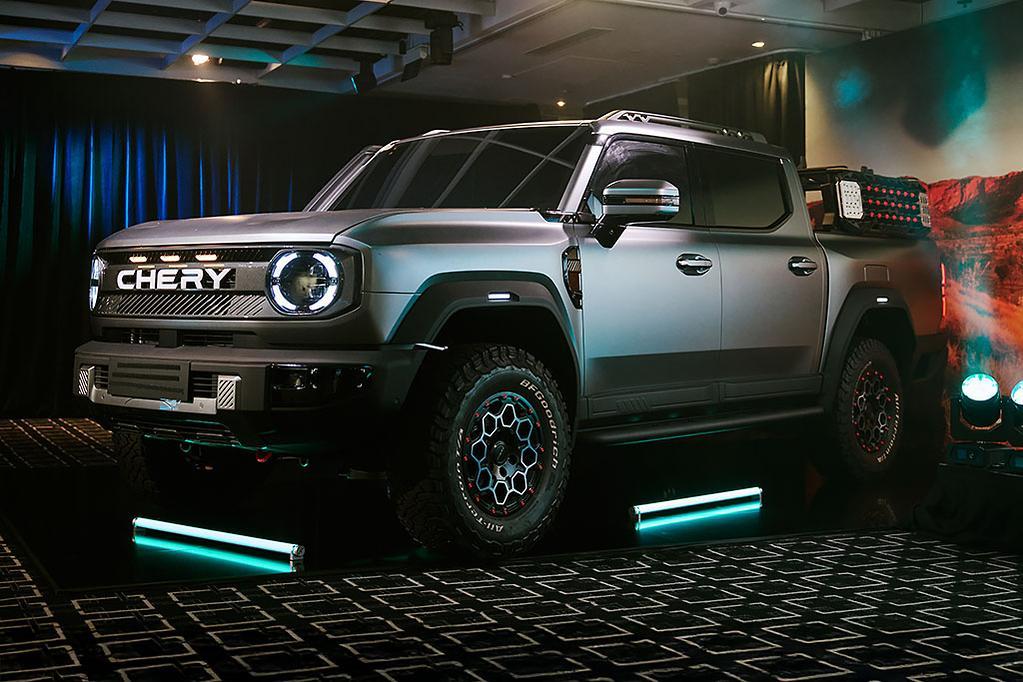
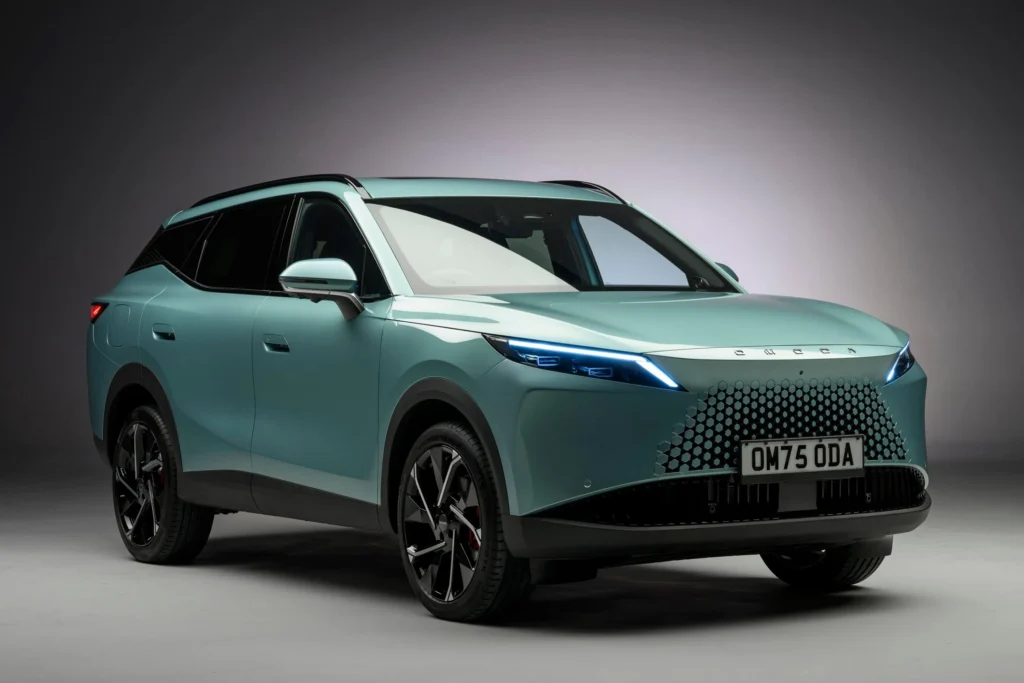
The comments followed remarks from Chery International president Zhang Guibing, who said advances in robotics and supportive government policy could make Australian vehicle production economically achievable once more.
Albanese described the demise of Holden and the broader collapse of local manufacturing as “a pity”, while also arguing that shifting global economics could create fresh opportunities for domestic industry.
“We saw a decline of manufacturing in Australia because of differential labour costs. New technology means that labour is less important than transport costs,” he said, citing robotics as a means to reduce costs.

“We stepped back, the United States did as well and we saw manufacturing go largely to China and Asia.
“That creates a vulnerability, and we need to use the capacity that we have to make more things here,” stated the Australian PM.
The renewed conversation around local manufacturing comes amid growing interest in electric vehicles and battery production, particularly given Australia’s large reserves of lithium and other raw materials essential for EV batteries.
Despite the optimism, the economics remain challenging.
Building cars in Australia is expensive due to much higher wages than say Thailand or China, where the bulk of Australia’s car imports originate.
A series of free-trade agreements with Japan, Korea and China has since further increased the competitiveness of imported vehicles in Australia
Still, some automotive manufacturing capability survives locally.
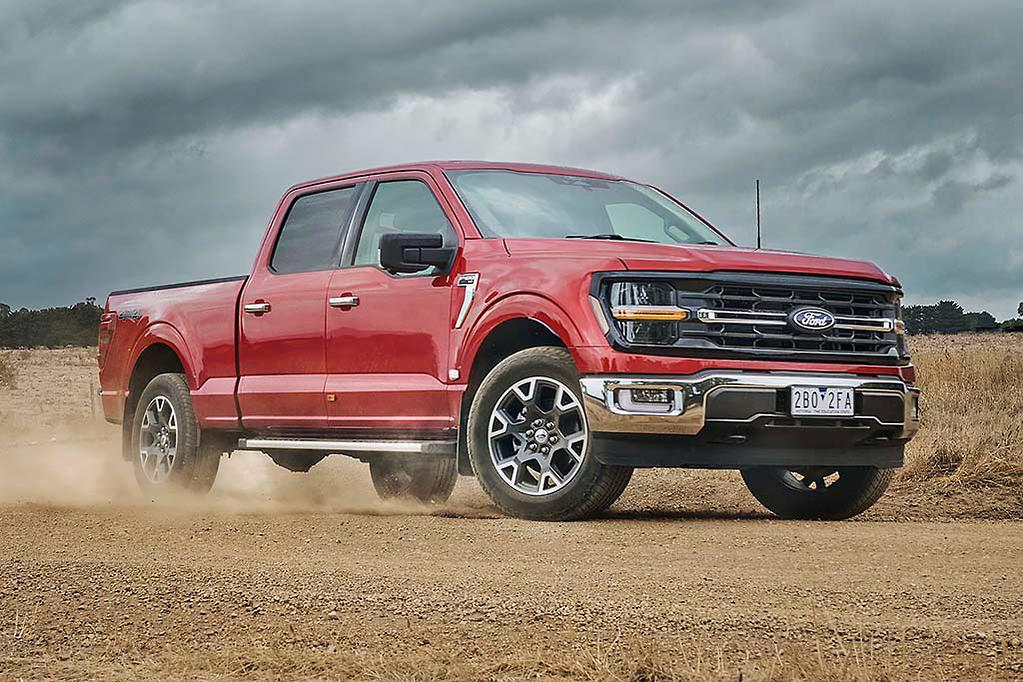
Walkinshaw Automotive Group continues remanufacturing American pick-up trucks to right-hand drive in Melbourne, Ford has set up its own remanufacturing plant for the F-150 and Nissan operates a casting plant in Victoria.
Premcar develops and engineers vehicles specifically for Australian conditions as well.
Although far removed from the scale of Australia’s former mass-production industry, those operations demonstrate that local automotive engineering expertise has not disappeared entirely.
Whether political support and improving manufacturing technology can genuinely revive Australian vehicle production remains unclear.
And whether a Chinese or Asian car brand has the appetite to sink huge amounts of capital into an Australian facility, with subsidises likely paid for by Aussie tax payers could be a big ask.
For now, the prospect of locally built EVs remains speculative rather than confirmed, but growing global demand for electrification and Australia’s abundance of battery materials continue to fuel discussion about what a future domestic automotive industry could look like.
Share this article:
Disclaimer:
The information presented in this article is true and correct at the time of publishing. business.carsales.com.au does not warrant or represent that the information is free from errors or omissions. The content is provided for informational purposes only and should not be construed as professional advice. For more details on our editorial standards and ethical guidelines, please visit our Editorial Guide Lines.