Signs of resilience emerging in the truck and van market

News
6 min read
Share this article:
News
10 min read
Q3 brought softer sales across trucks and vans, but the data shows early signs of stabilisation

At a glance

According to blended data from the Truck Industry Council (TIC) and the Federal Chamber of Automotive Industries (FCAI), truck and van sales softened through Q3 2025, with declines across light, medium and heavy-duty segments. Light-duty models and vans proved the most resilient. Despite this, brand leadership remained consistent, pointing to a stabilising market heading into Q4. 

Key takeaways

  • Total truck sales across Q3 were down on the same quarter last year, led by sharper falls in medium- and heavy-duty models. 
  • Isuzu held strong in light- and medium-duty, remaining the country’s top-selling truck brand. 
  • Kenworth stayed firmly ahead in heavy-duty, followed by Volvo Trucks and Isuzu. 
  • The van segment held relatively steady, with Ford, Mercedes-Benz Vans and Renault leading Q3 deliveries. 

The Finer Details 

Light-duty trucks  

Light duty trucks continued to be the most resilient part of the market.
A total of 3,691 units were sold from July to September, which marks the second strongest third quarter on record, only behind the 2022 peak. This result was also 1 percent higher than the same period last year, a notable contrast to the softer results across the rest of the truck market. September was slightly down, falling 3.3 percent year on year, but overall the quarter shows that demand for lighter commercial vehicles is holding firm.

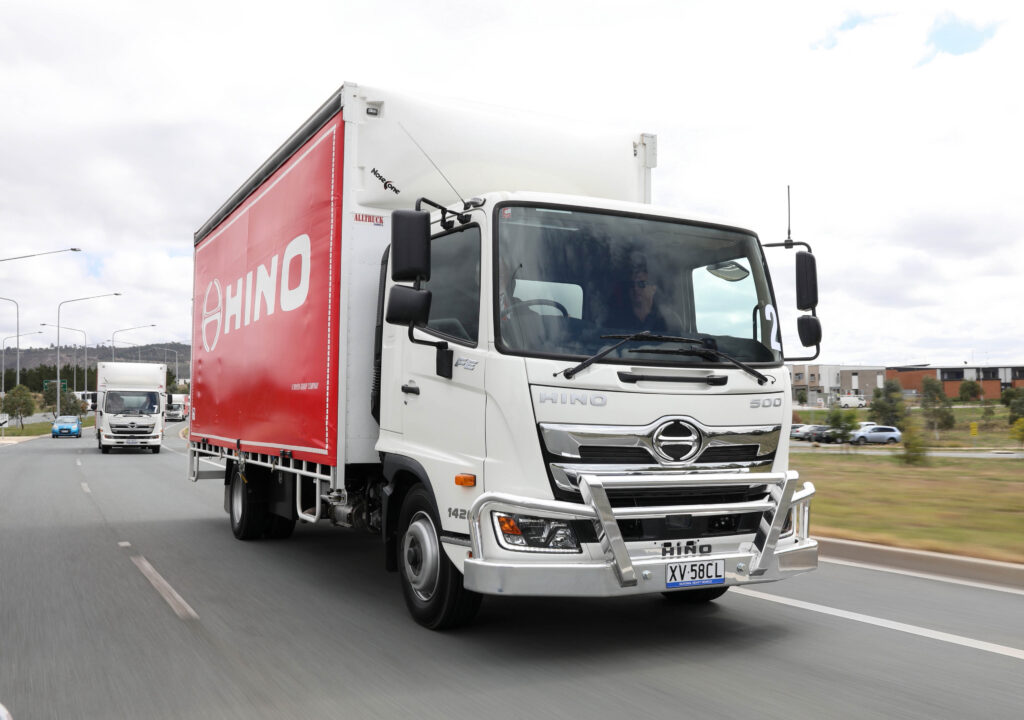
Isuzu maintained clear leadership, consistently posting the highest monthly volumes, followed by Hino and Fuso.
 

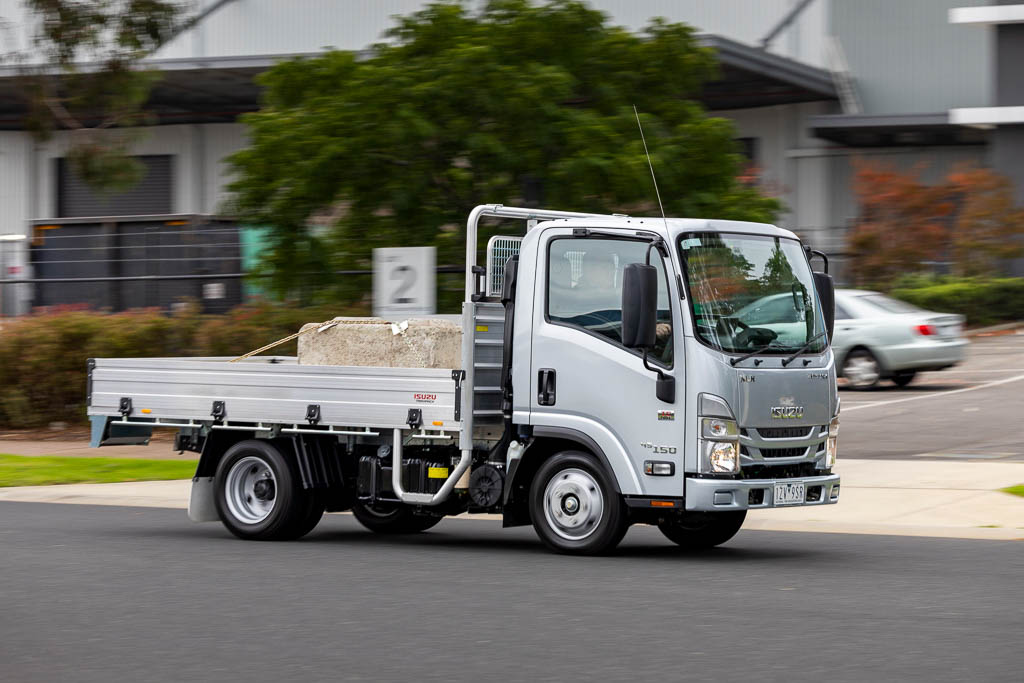
Isuzu NLR 45-150 Traypack

Medium-duty trucks 

Medium duty sales were significantly softer in Q3.
Only 1,578 trucks were delivered for the quarter, which is 20.6 percent lower than the same period in 2024. September alone saw a steep 28.4 percent decline, making it one of the most challenging months of the year for the segment. While demand has eased, medium duty trucks remain an essential part of core fleet activity, and the broader trend reflects businesses delaying replacement cycles rather than exiting the segment altogether.

Heavy-duty trucks 

Heavy duty continued to be the hardest hit of all truck categories.
Q3 deliveries totalled 1,221 units, a shortfall of 668 trucks compared with the same quarter last year, representing a 16.3 percent decline. September was even weaker, down 20.2 percent year on year, reinforcing that this segment is feeling the sharpest effects of reduced business confidence and project delays.

On the brand front leadership remained unchanged: 

  • Kenworth led the quarter 
  • Volvo Trucks followed 
  • Isuzu rounded out the top three 


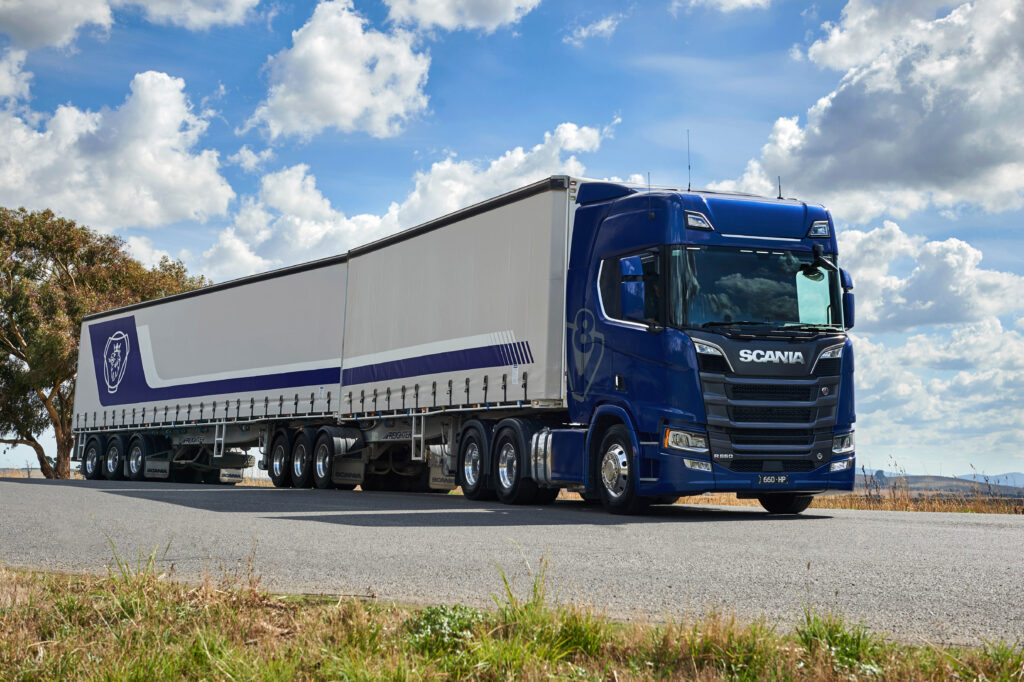
Scania, Mack, Mercedes-Benz and UD Trucks also recorded noticeably softer quarter-to-quarter results.  

Light-duty vans 

The van segment remains the least affected by the broader slowdown.
Even with a softer quarter, deliveries for July to September still represented the second strongest Q3 on record.

A total of 360 fewer vans were sold than the same period last year, a 12.8 percent decline, while September was down 11.6 percent year on year. Despite this dip, the van market continues to benefit from freight, trades and last mile delivery demand, and remains comparatively stable against the larger truck classes.

Holding up better than the truck segments in Q3, there were a few key results on the brand front that drove the segment forward. Across the quarter, Ford and Mercedes-Benz Vans delivered solid and consistent volumes, with Renault also performing strongly. 

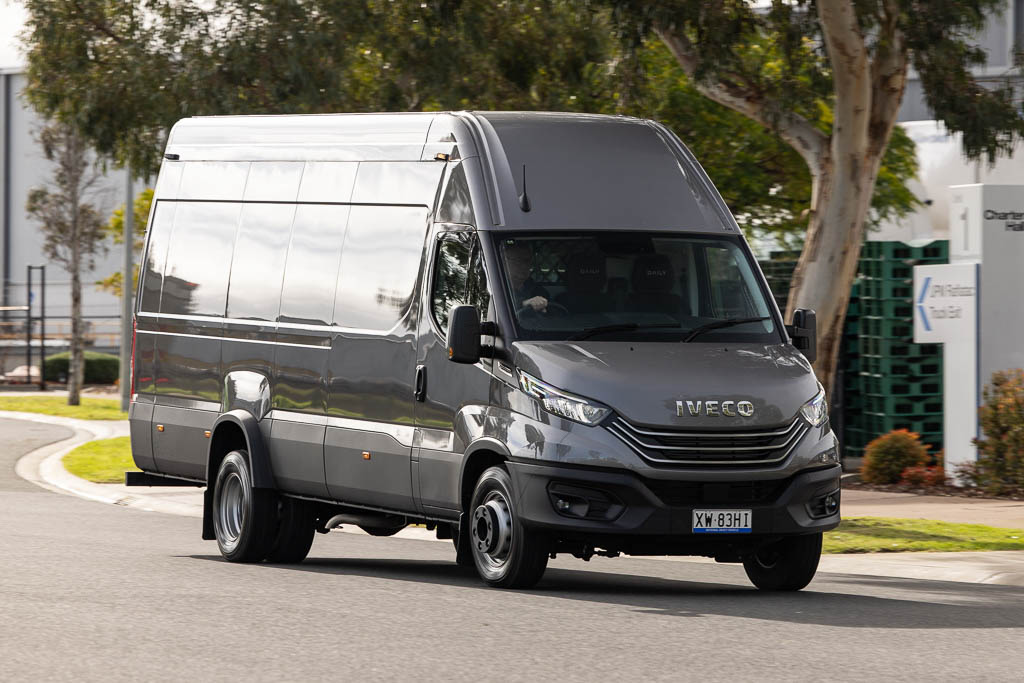
Iveco Daily 70

The Road Ahead

Q3 delivered a softer set of results across most truck segments, but the underlying signals point to a market that may be finding its floor. While year to date volumes remain lower than last year, the quarter showed signs that the rate of decline is slowing.

As TIC CEO Tony McMullan noted, the market improved slightly on earlier results and appears to be steadying. In his words, “the slight improvement that we saw in the market year to date at the end of quarter three suggests that sales have steadied. Hopefully quarter two was the low point and that we will now witness stabilised or increasing sales for the last part of 2025 and into 2026.”


* Data sourced from VFACTS and the TIC

Share this article:

LinkedIn logo

carsales for Business

Disclaimer:
The information presented in this article is true and correct at the time of publishing. business.carsales.com.au does not warrant or represent that the information is free from errors or omissions. The content is provided for informational purposes only and should not be construed as professional advice. For more details on our editorial standards and ethical guidelines, please visit our Editorial Guide Lines.