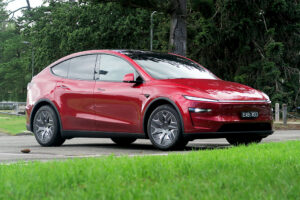
VFACTS: Chinese manufactured vehicles a key driver of 2025 Australia's record new car sales result

News
6 min read
Share this article:
News
10 min read

BYD and Chery lead sales growth as Chinese-manufactured vehicles accounted for 20% of all new vehicles sold in 2025

At a glance

Chinese brands continued to grow their share of the Australian new car market in 2025. Strong results from BYD and Chery were a key highlight, while the final figures for established brands varied.

Key takeaways

  • Chinese-manufactured cars account for 20 per cent of sales
  • Three brands now in the top 10
  • BYD and Chery record strong growth
  • Some legacy brands experienced softer sales in 2025
  • More new market brands on the way in 2026
     

The Finer Details 

Offering a combination of competitive pricing and high equipment levels, Chinese-manufactured vehicles accounted for approximately 20 per cent of total new vehicle sales in Australia in 2025, pushing up from around 14 per cent in 2024.

This places Chinese-built vehicles as the second-largest source of new cars registered in Australia, leapfrogging Thailand.

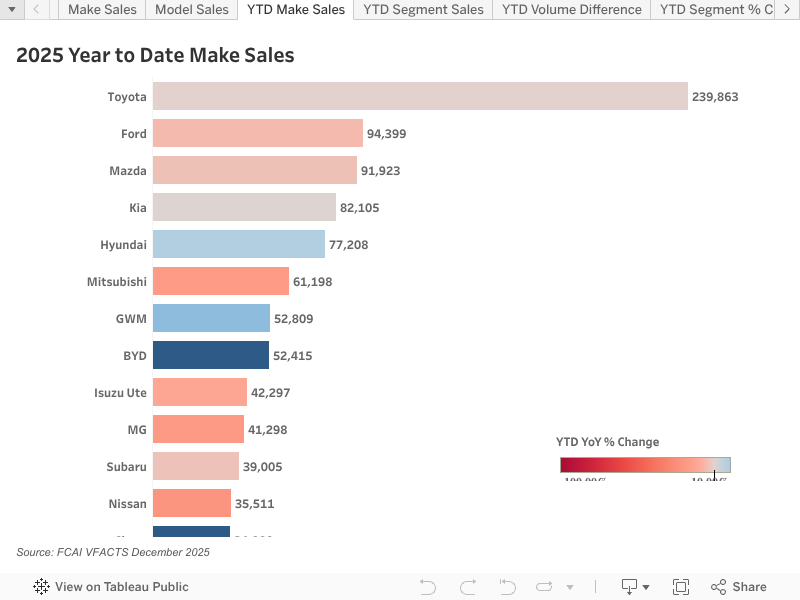
Three Chinese brands – GWM (seventh), BYD (eighth) and MG (10th) – were top 10 sellers in 2025, up from two in 2024 (GWM and MG).

BYD and Chery were amongst the fastest-growing brands last year, posting sales increases of 156.2 and 176.8 per cent respectively.

“BYD’s growth has been genuine, driven by great quality vehicles with world-leading battery-electric powertrains, unmatched style and comfort, and at prices suited to Australian families and younger buyers looking to purchase their first new energy vehicle,” BYD Australia COO Stephen Collins said.

BYD’s top-sellers are the Shark 6 PHEV ute, the Sealion 7 battery-electric SUV and the Sealion 6 PHEV.

Chery’s performance meantime has been driven by the compact Tiggo 4 SUV, which claimed second place in the mainstream light SUV segment with 950 per cent sales growth year-on-year.

GWM was the steadiest in growth at 23.4 per cent, with the mass volume Haval Jolion compact SUV’s 36.3 per cent climb a highlight.

Other new brands also captured meaningful volume in an overall market that remained largely static.

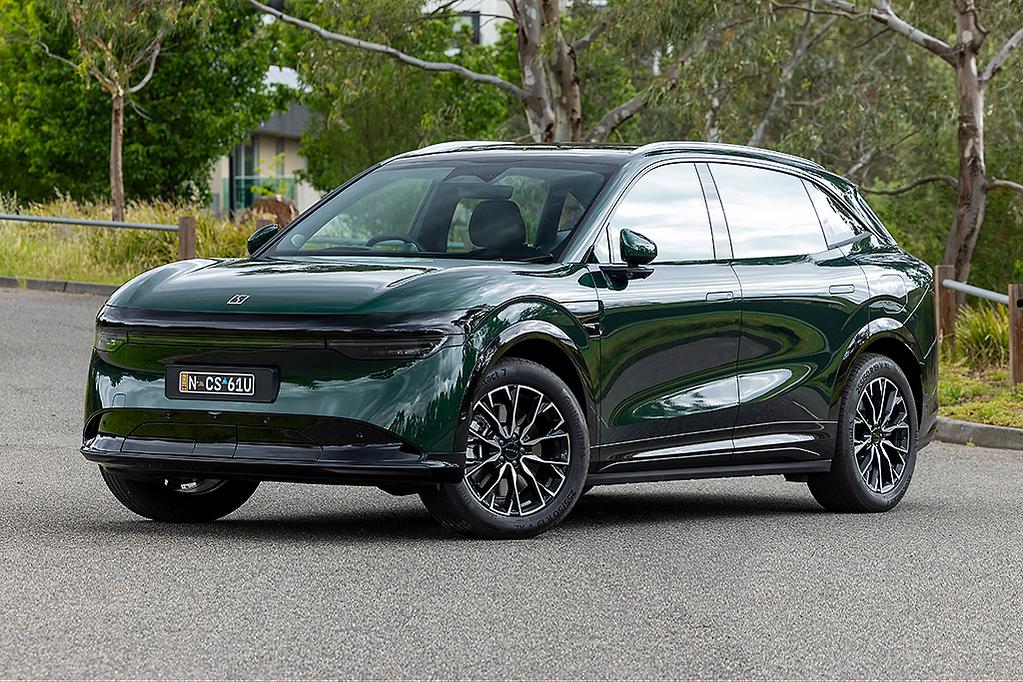
In its first year on-sale in Australia, Geely sold 5010 vehicles, Chery spin-off Omoda Jaecoo 3721 and Zeekr 1994, with the 7X providing late impetus. Other new brands such as Deepal and Leapmotor started a little slower, posting less than 1000 units each.

With overall market growth limited to just 0.3 per cent year on year, gains for newer entrants were reflected in softer results for some existing players, including several Chinese brands.

Zeekr 7X

The most obvious was MG, who recorded a decline of 18.4 per cent in 2025, falling from seventh to 10th in the sales rankings.

That’s despite a plethora of new model launches in 2025, including the U9 dual-cab ute and the QS seven-seat family SUV. Every existing MG model, bar the niche Cyberster, suffered sales downturns in 2025.

Commercial brand LDV is another established Chinese player on the wrong side of the growth curve in 2025, slipping 11.9 per cent – a sales drop just under 2000 units.

They join a host of legacy brands that declined in 2025.

MG U9

Nissan dropped out of the top 10 to 12th with a 21.6 per cent slide. Every model in its range dipped bar the Pathfinder and the new Ariya EV, however the brand’s local boss has predicted a turnaround in 2027.

Meanwhile, Mitsubishi moved from fifth to sixth with sales slipping 17.9 per cent – Triton 4×4 was its sole improver year-on-year.

Isuzu Ute finished off strongly in December but still slid 12.2 per cent as sales of both the D-MAX and MU-X slowed.

EV specialist Tesla was also hit hard, down 24.8 per cent primarily because of a collapse in interest in its Model 3 sedan. Suzuki, buffeted by Jimny shortages and recalls, was also down 27.7 per cent. 

Mitsubishi Triton GSR

Market leader Toyota held its own with a subtle 0.6 per cent decline but still topped six segments.

Podium placegetters Ford (-5.8%) and Mazda (-4.2%) both slipped. Kia held steady in fourth place, with growth constrained by slower than expected sales for the Tasman ute.

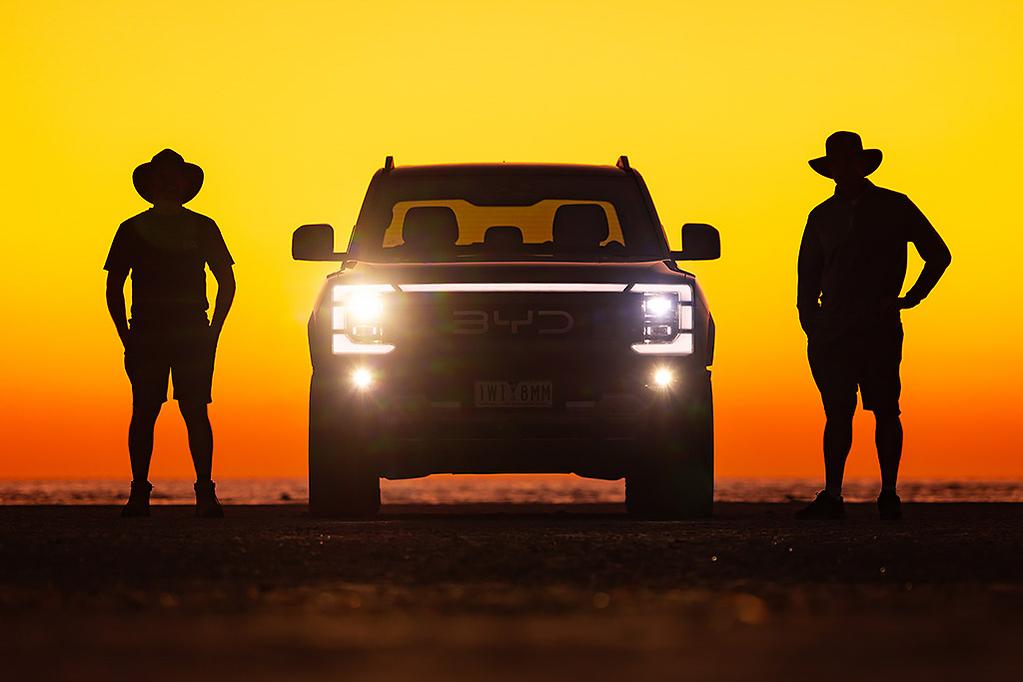
Ford was able to celebrate the Ranger ute as Australia’s top-seller for the third year in a row, although sales were down 9.6 per cent. It expects a reboot in 2026 with an updated range and the Super Duty’s arrival.

Ford Ranger Super Duty

“This [result] is a clear validation of the hard working and talented Australian-based design and engineering team who are focused on delivering for our customers every day,” Ford Australia marketing director Ambrose Henderson said.

It wasn’t bad news for all established brands.

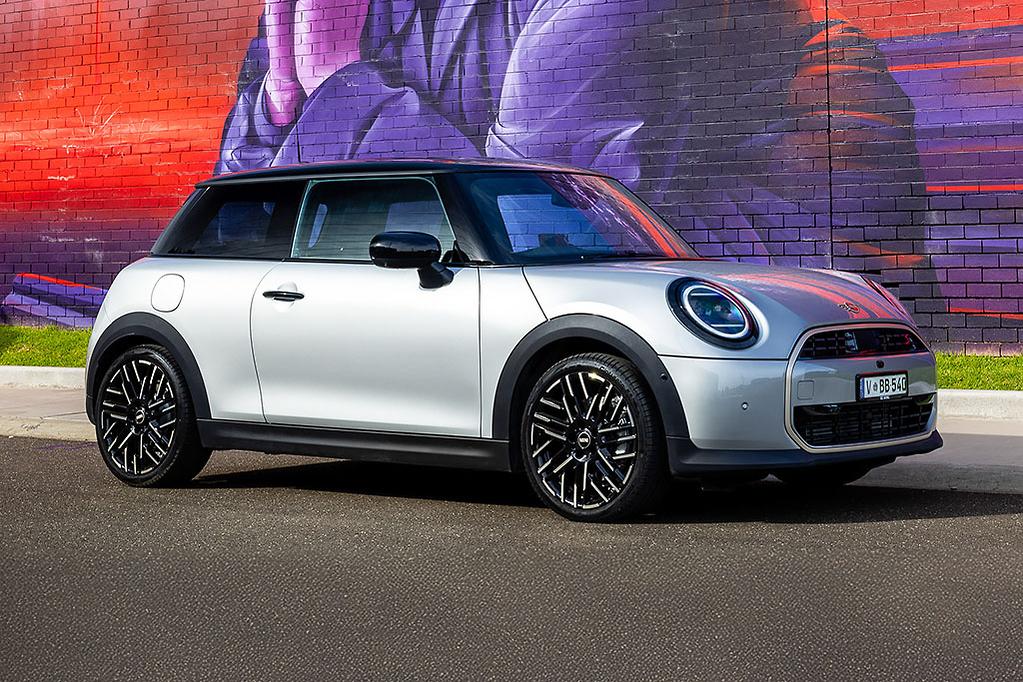
MINI was up a spectacular 37.7 per cent thanks to big interest growth across the range led by the latest Cooper. VW spin-off Cupra was up 21 per cent off a relatively small base, with the newly arrived Tavascan and Terramar proving the difference.

Heavyweight Hyundai had a return to form with 7.7 per cent growth, primarily on the back of increased hybrid sales. 4×4 specialist Land Rover was up 5.4 per cent.

Especially noteworthy was Honda’s 9.2 per cent improvement – its second year of growth after its dealership restructure in 2021.

Interestingly most leading luxury brands improved, although Porsche was off 27 per cent while Volvo was also down 18.6 per cent year on year.

Mini Cooper S

The Road Ahead

If 2025 is any indication, the year ahead is likely to bring further change as additional brands enter the Australian market and competition continues to broaden across price points and segments.

GAC has already launched locally, with Denza (BYD), Wey (GWM) and Lepas (Chery) also confirmed for the year ahead. Other brands, including Forthing, Avatr, Firefly and iCaur, are also planning Australian debuts, adding further depth to an already diverse and competitive market.


* Data sourced from VFACTS and the EVCouncil

A modified version of this article originally appeared on carsales.com.au

Share this article:

LinkedIn logo

carsales for Business

Disclaimer:
The information presented in this article is true and correct at the time of publishing. business.carsales.com.au does not warrant or represent that the information is free from errors or omissions. The content is provided for informational purposes only and should not be construed as professional advice. For more details on our editorial standards and ethical guidelines, please visit our Editorial Guide Lines.