VFACTS May 2026: BEVs hit record 20 per cent share as Tesla tops the charts

News
6 min read
Share this article:
News
10 min read

A record BEV month, a dominant Tesla result and four Chinese brands in the top 10 stole the headlines in the latest new car sales data.

At a glance

Battery electric vehicles reached a record 20 per cent market share in May 2026, with electrified vehicles (BEVs, hybrids and plug-in hybrids combined) accounting for 46.4 per cent of all new vehicle sales. 106,887 new vehicles were delivered during the month, down 2.3 per cent on May 2025 on a combined basis, with the total market figure incorporating VFACTS data alongside Tesla and Polestar sales reported separately through the Electric Vehicle Council.

Key takeaways

  • 106,887 new vehicles delivered in May 2026, down 2.3 per cent year-on-year 
  • BEVs reached a record 20 per cent market share 
  • Electrified vehicles (BEV, PHEV, hybrid combined) accounted for 46.4 per cent of all sales 
  • Tesla Model Y was the best-selling vehicle in Australia for the month 
  • BYD ranked second overall with 8,211 sales, up 154.6 per cent year-on-year 
  • Four Chinese brands placed in the top 10

The Finer Details

May 2026 delivered a milestone the Australian market has long been building toward. Battery electric vehicles accounted for one in five new vehicles delivered, a record monthly BEV share, while the broader electrified tally of 46.4 per cent means nearly half of all new cars delivered in May came with a plug or a hybrid system. 

EV Council CEO Julie Delvecchio framed the broader significance: “May 2026 is an important moment for Australia’s EV transition. When fuel prices hurt, people look for alternatives. Electric vehicles offer exactly that: no trips to the servo, no price spikes at the pump, savings of around $3,000 a year.” 

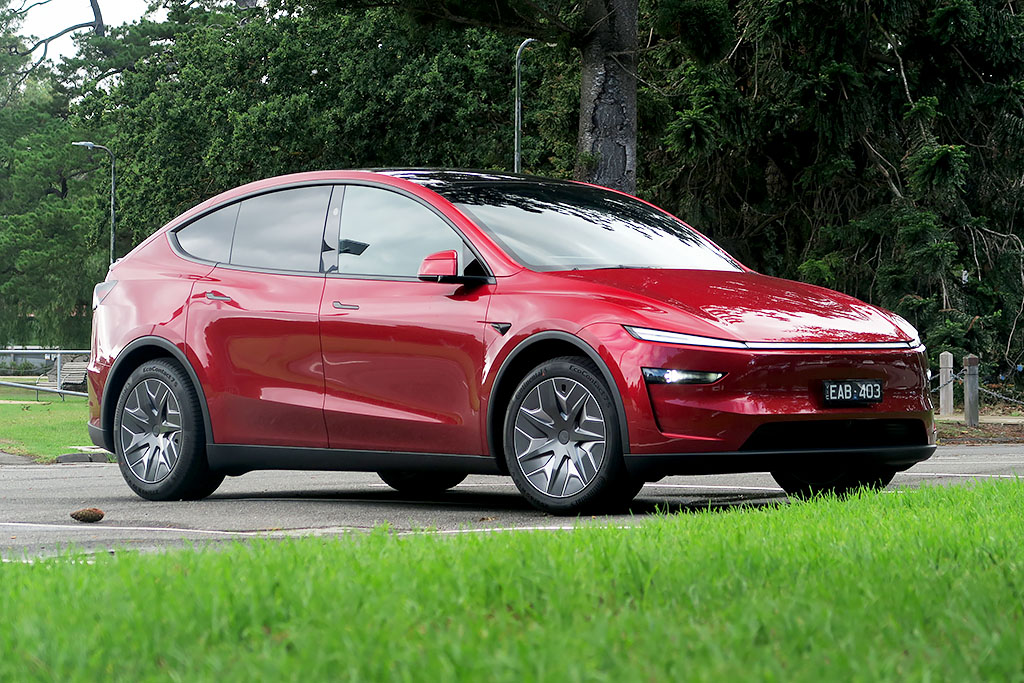
Tesla Model Y L

BEV growth is spreading across segments and price points, not concentrated in one corner of the market. Electric SUV sales were up 167 per cent year-on-year and PHEV uptake in the SUV segment jumped 377 per cent. FCAI chief executive Tony Weber noted the New Vehicle Efficiency Standard is encouraging more low-emission models into Australia, while flagging charging infrastructure as the next critical pressure point, a concern reinforced the day prior by findings from Victoria’s parliamentary inquiry. 

“Charging infrastructure rollout must accelerate if Australia is to maintain consumer confidence and support continued uptake,” Weber said. 

The overall market of 106,887 deliveries was down 2.3 per cent on May 2025 on a combined basis. Through five months of 2026, the combined market is down 1.0 per cent year to date.  

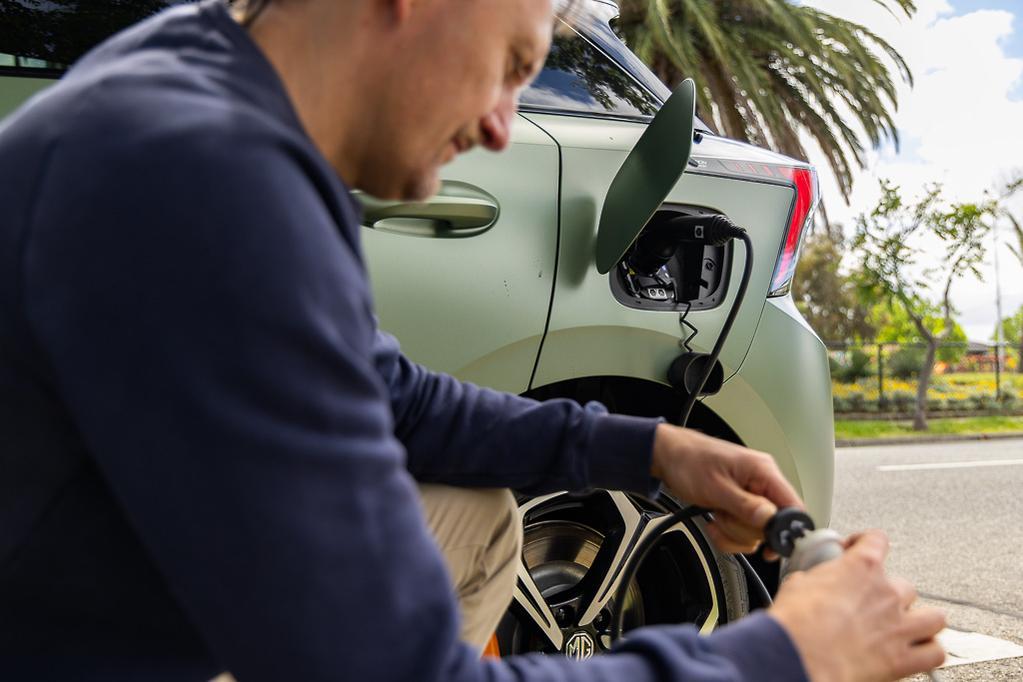
EV Charging

The brands and models shaping the market 

Toyota retained top spot with 16,342 sales, though its year-on-year share has contracted noticeably, largely reflecting supply transitions and model changeovers across key nameplates rather than softening demand. The RAV4 and Corolla continue to perform, and the bZ4X electric SUV is growing strongly, pointing to a strengthening electrified pipeline. 

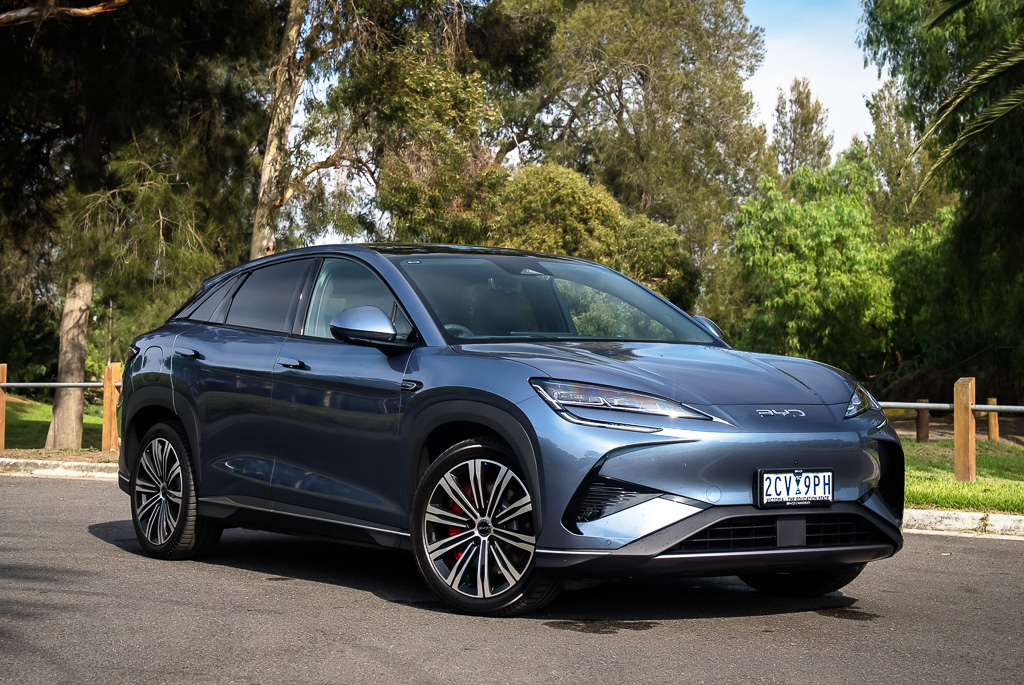
With over 8,000 new vehicles delivered last month, BYD placed second overall, ahead of Ford, Hyundai and Kia, representing a 154.6 per cent increase on May 2025. The volume is spread across utes, SUVs and passenger cars, with the Sealion 7 leading at over 1,500 units rather than relying on a single hero model. Year to date, BYD has sold more than double its volume from the same five months last year. 

BYD Sealion 7

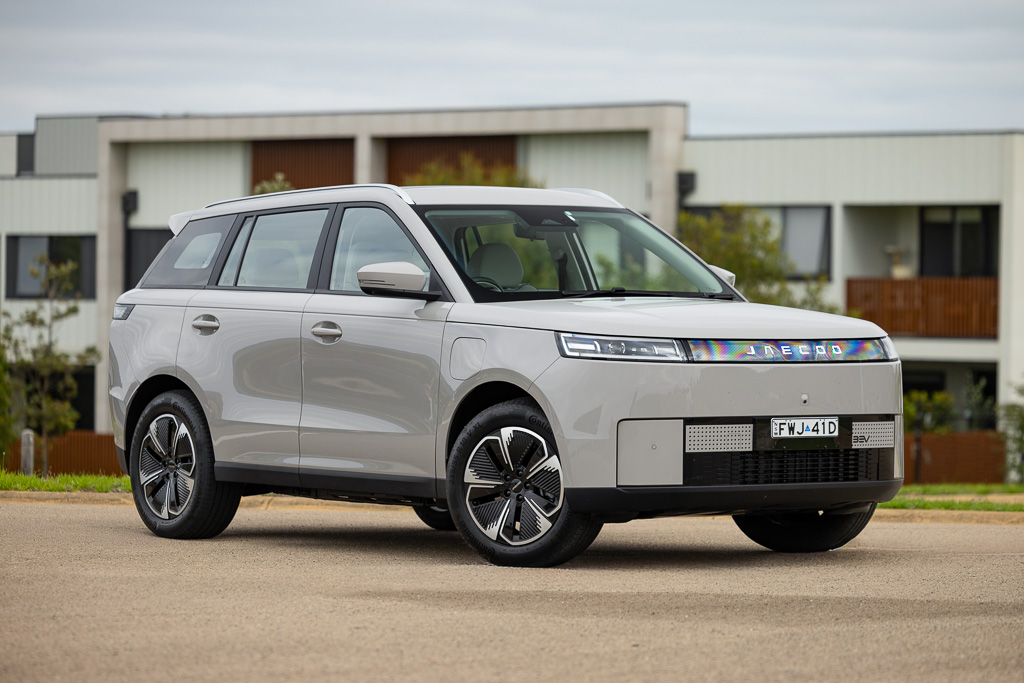
The broader Chinese brand story ran just as deep. Chery placed ninth and GWM eighth, both delivering consistent volume. Omoda Jaecoo, effectively absent from Australia 12 months ago, recorded over 2,500 sales with the J5 alone placing seventh on the model charts for the month. Geely added over 2,600 sales driven by the EX5, and Zeekr registered more than 1,000 with the 7X SUV accounting for the bulk of that from a standing start. Taken together, Chinese-manufactured vehicles, including Tesla and Polestar which are both built in China, accounted for approximately one in three new deliveries in May. 

Jaecoo J5

Tesla’s result of 6,433 sales is the highest single month ever recorded in the EV Council’s dataset, surpassing the previous peak from March 2024. The Model Y drove the majority of that result, making it the best-selling vehicle in Australia for the month, ahead of the Ford Ranger. The six-seat Model Y L variant has become a significant contributor, resonating particularly with families and fleet buyers. 

As Tesla Country Director Thom Drew put it: “This is not an isolated result. It reflects our sustained commitment to delivering world-class electric vehicles and an ownership experience that continues to raise the bar for the industry.”

Tesla Model Y

The broader market: SUVs, utes and where buyers are going 

 The medium SUV segment was the clear standout, up 25.6 per cent for the month and 13.2 per cent year to date. At nearly 30 per cent of the total market, almost one in three vehicles delivered in May was a medium SUV. Growth in the under-$65,000 tier is being driven by a wave of competitively priced electrified options. The Hyundai Tucson and Kia Sportage led the established players, while the Geely EX5, BYD Sealion 7 and Zeekr 7X show how quickly the electrified end of this segment is expanding. 

In the ute segment, the Ford Ranger and Toyota HiLux held the top two model positions, though both were softer year-on-year, consistent with broader light commercial 4X4s softening across the market.

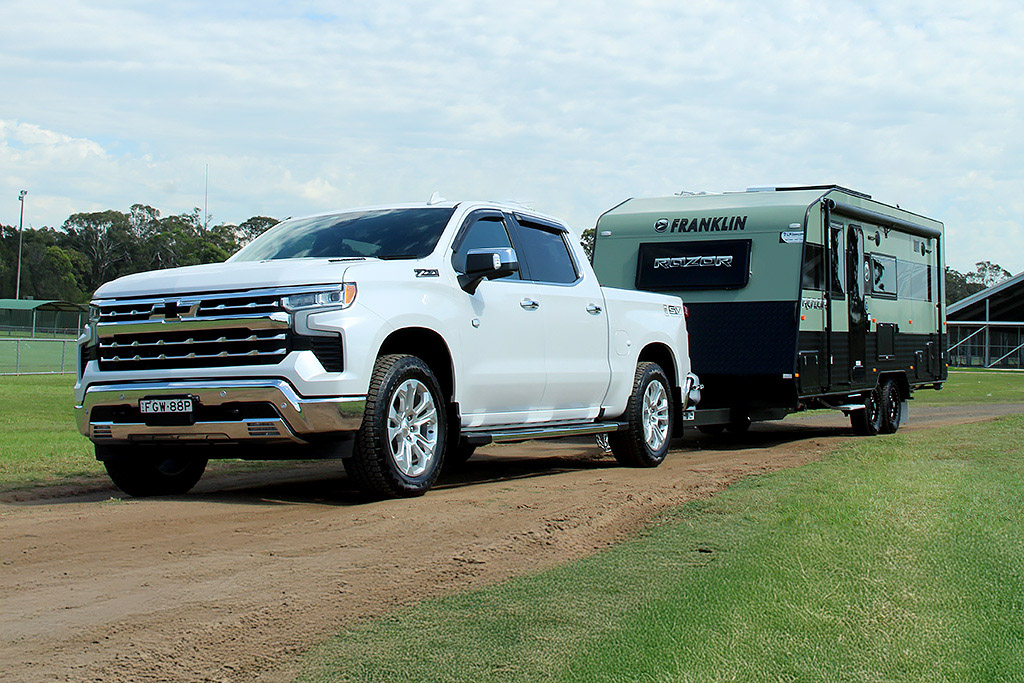
However, one split is emerging that’s worth watching. Mainstream ute volume is moderating, but the premium pick-up segment surged more than 44 per cent in May, driven by strong growth in the Ford F150 and Chevrolet Silverado range. There is clearly an appetite at the premium end that the headline ute numbers don’t capture

Chevrolet Silverado

The Road Ahead

May’s record BEV share and the surge in medium SUVs point to where buyer appetite is firmly headed.  

In the context of broader economic pressures that are unlikely to ease quickly, mix matters more than volume. Dealers who can speak confidently across the full consideration set, covering BEV, hybrid and the growing Chinese brand options, are better placed to convert the buyers who are actively in market. While charging anxiety remains a real barrier for some buyers, the ability to address it clearly, with honest answers on home charging, real-world range and running costs, might just be the difference between a sale and a walkout. 

The brands that gained ground in May did it with the right product at the right price in the segment buyers are actively choosing. That’s the playbook worth watching for the rest of the year. 


Best-selling models: May 2026 

  1. Tesla Model Y – 5,605 
  2. Ford Ranger – 4,474 
  3. Toyota HiLux – 4,005 
  4. Toyota RAV4 – 3,865 
  5. Hyundai Kona – 2,291 
  6. Hyundai Tucson – 2,287 
  7. Omoda Jaecoo J5 – 2,172 
  8. Chery Tiggo 4 Pro – 2,123 
  9. Isuzu D-Max – 1,916 
  10. Ford Everest – 1,876 


Best-selling brands: May 2026 

  1. Toyota – 16,342 
  2. BYD – 8,211 
  3. Ford – 7,195 
  4. Hyundai – 7,007 
  5. Kia – 6,761 
  6. Tesla – 6,433 
  7. Mazda – 5,698 
  8. GWM – 4,660 
  9. Chery – 4,401 
  10. MG – 3,872 

* Data sourced from FCAI VFACTS and the EVCouncil


Share this article:

LinkedIn logo

carsales for Business

Disclaimer:
The information presented in this article is true and correct at the time of publishing. business.carsales.com.au does not warrant or represent that the information is free from errors or omissions. The content is provided for informational purposes only and should not be construed as professional advice. For more details on our editorial standards and ethical guidelines, please visit our Editorial Guide Lines.