VFACTS: How the new car market is shifting six months into 2026

News
6 min read
Share this article:
News
10 min read

The Australian new car market is flat overall, but share is moving fast. Here's what's actually shifting at a brand level beneath the numbers.

At a glance

June delivered Australia’s biggest new car sales month on record, but the topline number tells only part of the story. Underneath it, Chinese brands led by BYD, Geely and Chery are converting real share, while several established players are recalibrating in response. The shift in where volume is landing matters more than the record itself.

Key takeaways

  • Total market volume is flat year-to-date, meaning gains for Chinese brands are largely coming at the direct expense of others
  • Geely more than quadrupled its volume year-on-year, led by the EX5 and the all-new Starray EM-i
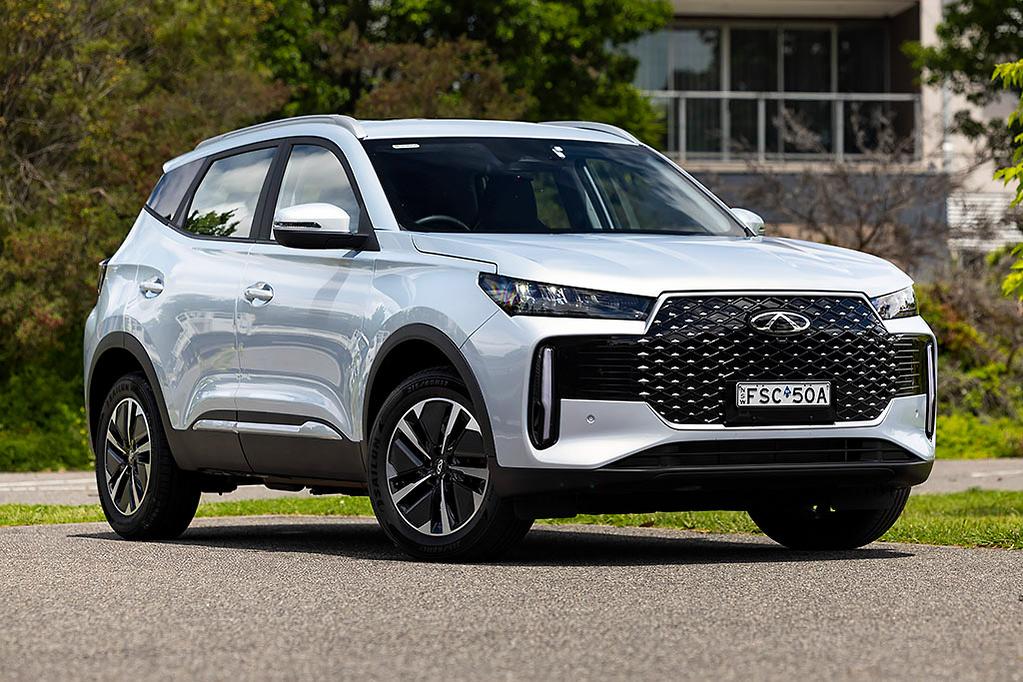
  • Chery grew 49 per cent to 4505 sales, driven by the Tiggo 4 Pro and Tiggo 7 Pro
  • Subaru, Mazda and Nissan each recorded double-digit declines as buyers shifted toward challenger brands

The Finer Details

June’s record 140,058-sale result masked a genuine reshuffle beneath the headline number. Toyota narrowly held off BYD for outright top spot, but the more useful story for dealers sits deeper, in which brands and nameplates are actually converting demand, and which are losing ground to them.

Chery Tiggo 4 Hybrid

BYD is the clear standout, recording 18,881 sales, up 131 per cent year-on-year, and finishing just 243 units shy of Toyota. Three consecutive months in second place suggests this is a sustained shift rather than a short-term spike.

At model level, the Sealion 7 delivered 4730 sales (+163.5 per cent), while the Shark 6 ute added 3398 (+13.5 per cent).

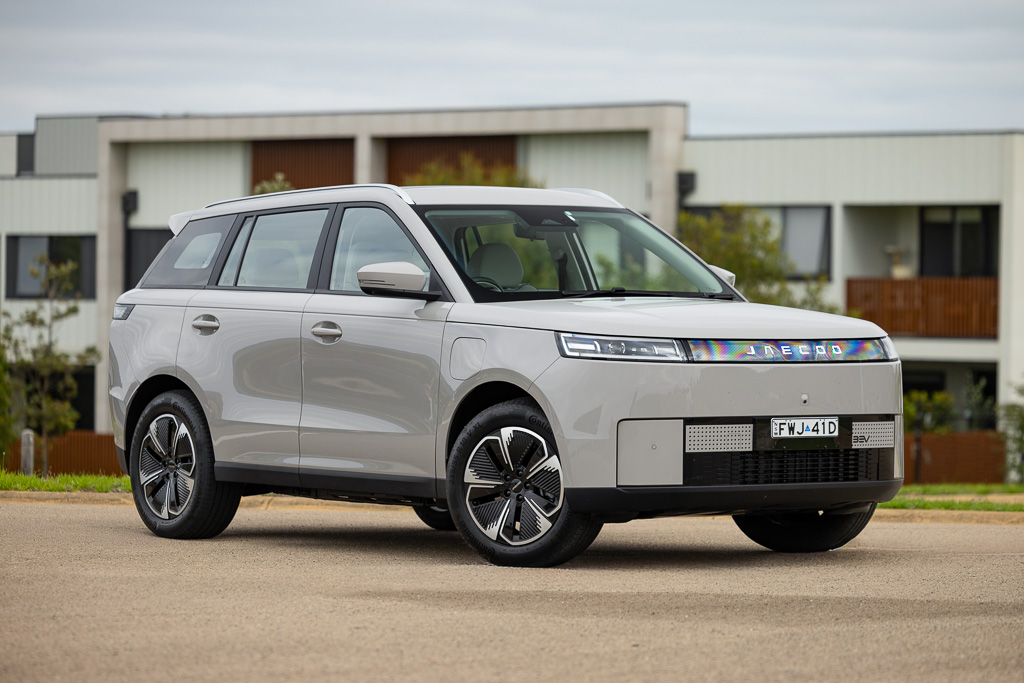
Omoda Jaecoo posted the biggest percentage gain of any volume brand, growing from 380 sales in June last year to 2541 in June 2026. The J5 alone contributed 2096 units as a new nameplate, while the J7 slipped slightly to 301 (-5.0 per cent), a reminder that the growth story is still concentrated in specific models rather than spread evenly across the range.

Jaecoo J5

Geely’s growth is arguably even more dramatic, more than quadrupling to 3507 sales, led by the EX5 (2303, +180.2 per cent) and the all-new Starray EM-i (1204), a clean-sheet addition with no June 2025 comparison.

Chery continued its upward trajectory, adding 1481 sales to reach 4505 (+49 per cent), driven by the Tiggo 4 Pro (2329, +31.7 per cent) and Tiggo 7 Pro (1179, +102.9 per cent), reinforcing its position as a fast-scaling mainstream contender.

MG rounded out the brand-level gains, up 28 per cent to 5001 sales, though its core models tell a more nuanced story. The ZS fell 6.1 per cent to 1827 and the MG3 dipped 1.8 per cent to 898, showing growth is coming from newer additions deeper in the range rather than the established nameplates.

Brand share shifts

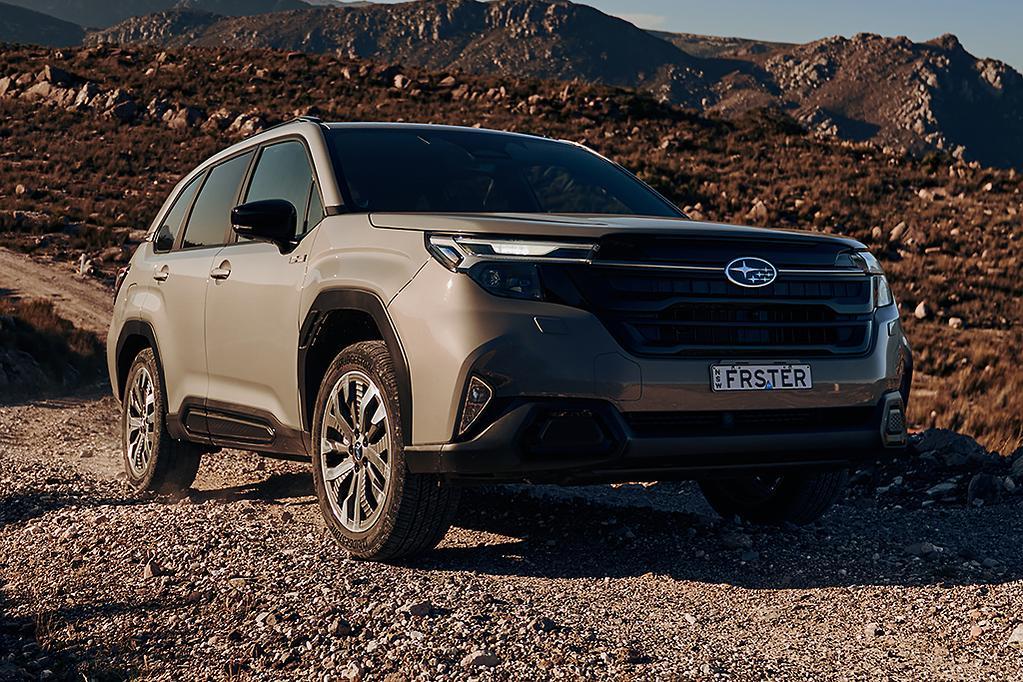
Subaru recorded the largest decline of any major brand, down 37 per cent to 2902 sales. The Forester dropped to 1083 (-24.1 per cent), and the Crosstrek slid to 725 (-53.2 per cent), pointing to a gap in competitive electrified offerings, something the new Subaru Trailseeker is designed to address.

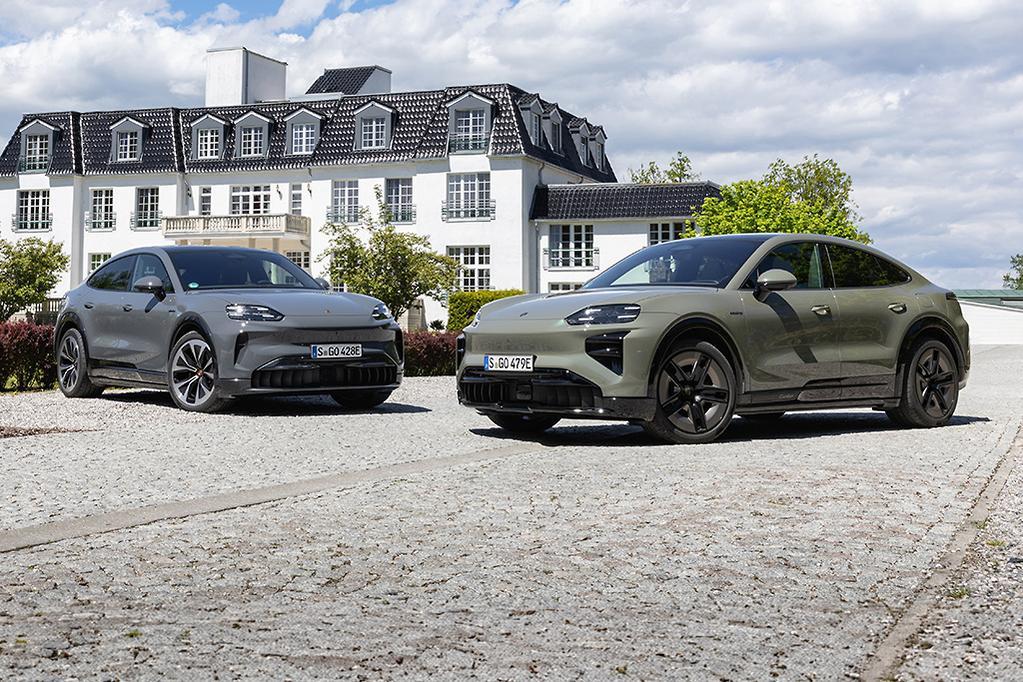
Porsche’s 33 per cent decline to 342 deliveries looks stark on the surface, but the detail tells a different story. The Cayenne Coupe (120, +27.7 per cent) and Cayenne Wagon (84, +44.8 per cent) both grew strongly. The overall decline is largely explained by the Macan, down 83 per cent from 241 to 41 units, reflecting the models transition from petrol to a pure EV lineup.

Porsche Cayenne Coupe

Nissan declined 33 per cent to 2337 sales, despite comparatively modest movement in its key nameplates, with the X-Trail down 1.4 per cent to 1325 and the Patrol down 13.0 per cent to 630.

Land Rover fell 31 per cent to 615 deliveries, with the Range Rover Sport (182, -41.7 per cent) the main contributor, while the Defender held up better (303, -7.1 per cent).

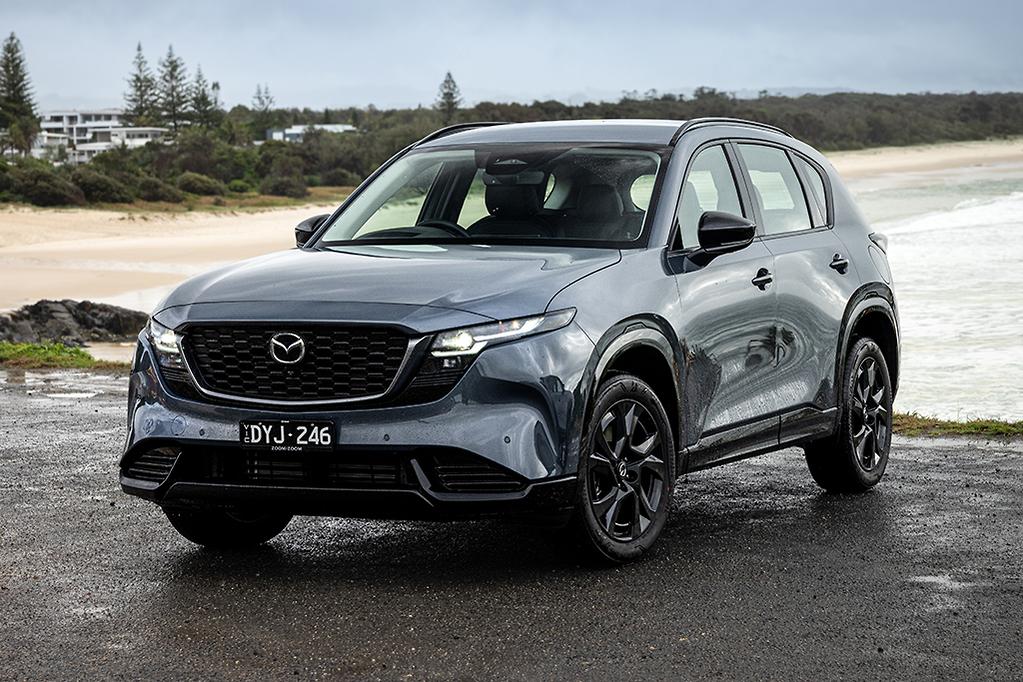
Mazda, still a top-10 brand, recorded a 23 per cent decline to 7278 sales from 9405 the year prior. The CX-5 fell to 1697 (-34.3 per cent) as the previous generation is run out ahead of the new model’s arrival in showrooms, while the CX-3 eased to 1486 (-5.8 per cent).

Mazda CX-5 GT

The second wave of new entrants

Australian car buying behaviour is shifting quickly, and a second wave of Chinese brands is rapidly gaining ground behind the market leaders.

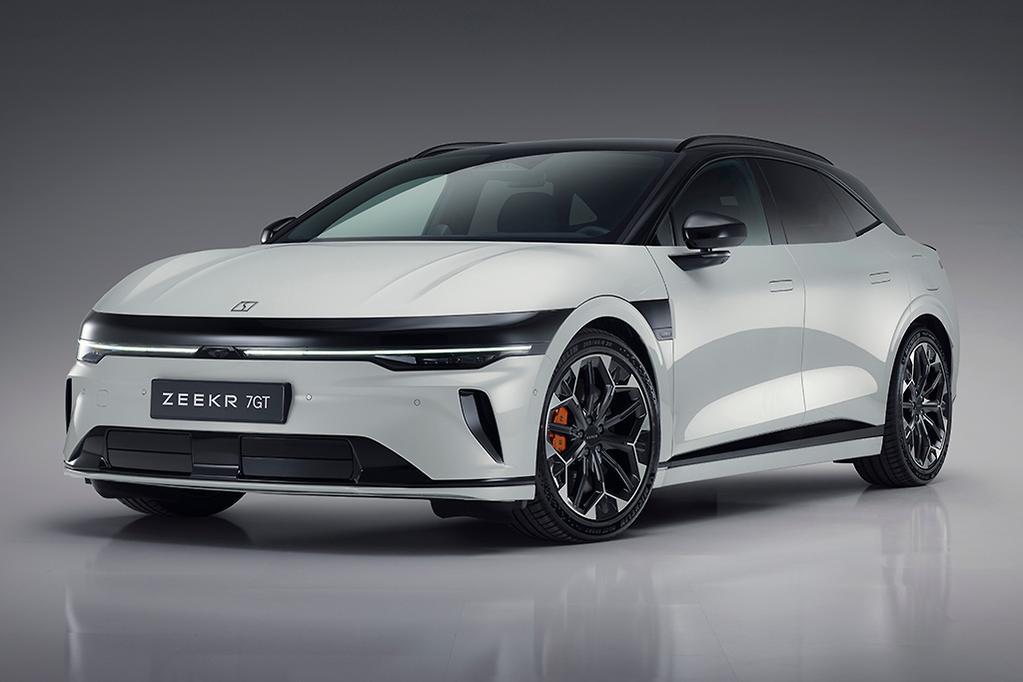
Zeekr grew to 1954 sales from just 111 a year ago. Deepal rose from 32 to 143 and Leapmotor jumped from 60 to 250 units for the month. Denza recorded 790 sales from effectively a standing start, and newcomers Farizon (74) and Foton (158) both registered their first meaningful volumes. Omoda Jaecoo’s near six-fold rise sits within this same trend of new entrants scaling quickly.

Not every Chinese brand is benefiting equally. LDV declined 22 per cent to 1229 sales, and JAC fell 70 per cent to 35 units from 118, a reminder that competition within the Chinese cohort itself is intensifying as more brands enter the market.

Zeekr 7GT


The year-to-date-view

The year-to-date figures reinforce the same pattern. Deepal leads all brands on growth, up more than 640 per cent to 737 sales in 2026 so far, while Geely has grown nearly 495 per cent to 10,970 sales. Leapmotor is up 152 per cent to 779 sales in the first six months of 2026, and BYD remains the standout at scale, with 52,335 sales (+124 per cent). Chery rounds out the biggest movers, up 77 per cent to 24,964.

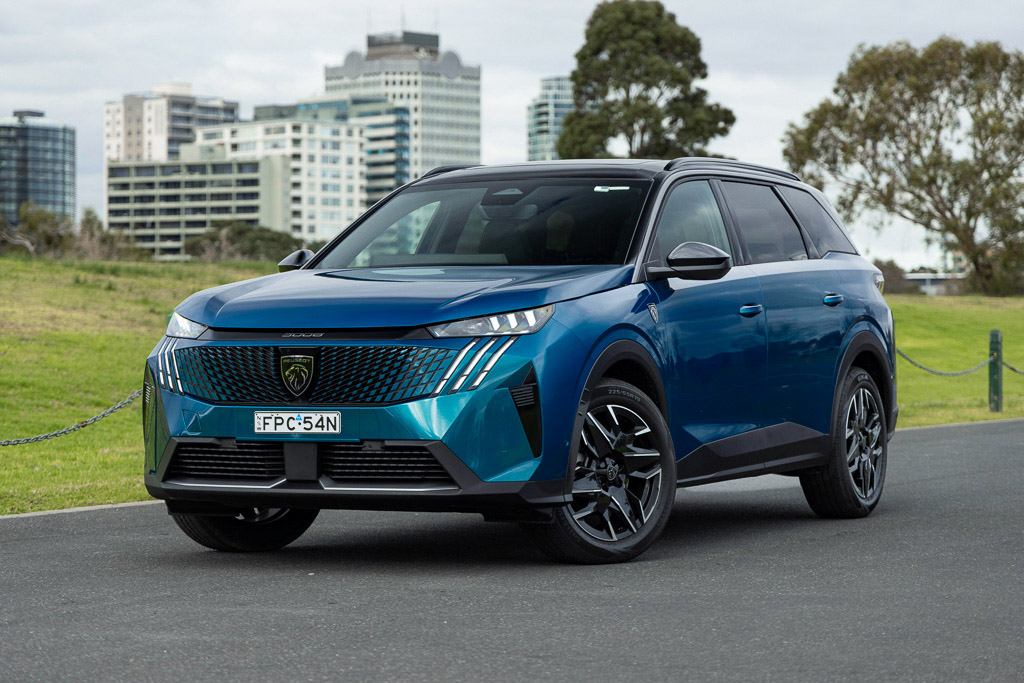
Toyota, despite winning June, is down 21 per cent year-to-date, from 120,978 in the first half of 2025 to 95,141 across the same period in 2026. Jeep is down 69 per cent to 322 units, JAC has fallen 52 per cent to 437, Peugeot is down 41 per cent to 427, and Nissan has declined 33 per cent to 13,854.

Total market volume is essentially flat for 2026, down just 0.3 per cent to 606,793, confirming that gains for BYD, Geely and Chery are largely coming at the direct expense of other brands rather than from overall market growth

Peugeot 5008 Hybrid

The Road Ahead

June confirms a structural shift in the Australian new car market, with electrified line-ups, particularly affordable models from Chinese brands, increasingly driving where volume lands. With BYD coming within 0.2 percentage points of Toyota, and more challenger brands locked in to launch over the next six to 12 months, this isn’t a short-term trend dealers can wait out.

For dealers, the practical question isn’t whether this shift continues, it’s how quickly your stock mix, pricing strategy and trade-in expectations adjust to reflect it.


* Data sourced from FCAI VFACTS and the EVCouncil


Share this article:

LinkedIn logo

carsales for Business

Disclaimer:
The information presented in this article is true and correct at the time of publishing. business.carsales.com.au does not warrant or represent that the information is free from errors or omissions. The content is provided for informational purposes only and should not be construed as professional advice. For more details on our editorial standards and ethical guidelines, please visit our Editorial Guide Lines.