Diesel, hydrogen and electric: the latest in low emissions truck tech

News
4 min read
Share this article:
News
10 min read
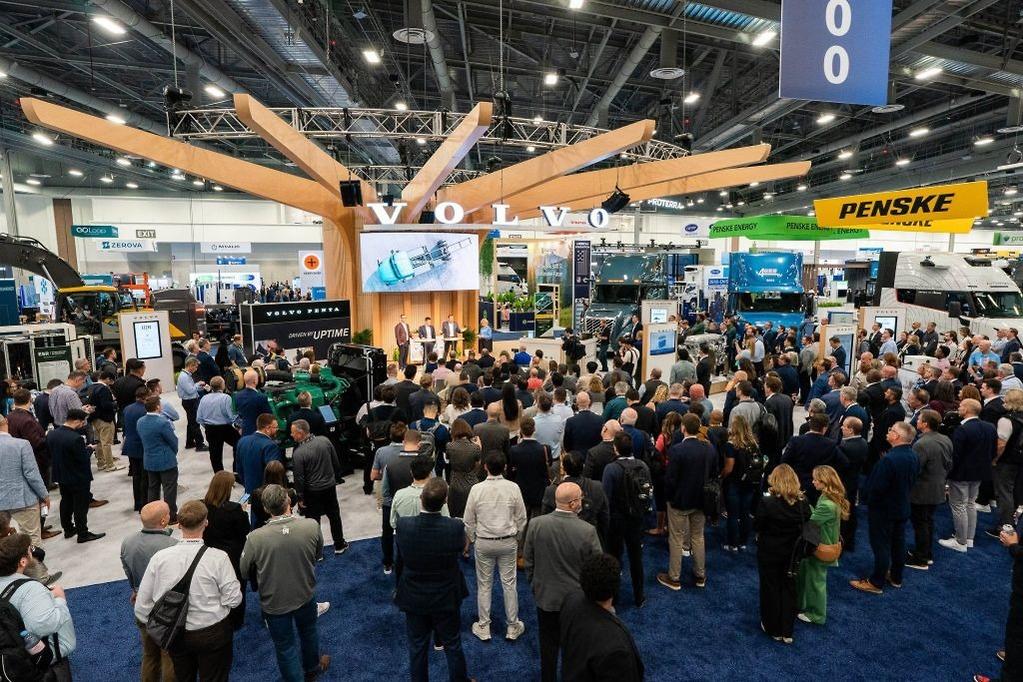
Highlights from America's ACT Expo show where the next generation of cleaner trucks is taking shape.

Every year, ACT Expo in Las Vegas gives the trucking industry a clear read on where low emission technology is heading, and this year’s line-up is worth a look for any dealer fielding customer questions about what’s coming next. New engines, electric drivetrains and hydrogen partnerships all point to a market that’s spreading its bets rather than backing one technology.

According to the latest State of Sustainable Fleets report, presented at the show by Commercial Motor’s Will Shiers, battery electric trucks are gaining ground in medium duty and depot based operations, but heavy duty uptake is moving more cautiously. Higher vehicle costs, patchy charging infrastructure and the removal of US federal incentives mean fleets are spreading their orders across diesel, renewable fuels, gas and electric rather than committing to one option.

For your dealership, that’s a signal worth passing on to customers: no single technology is winning yet, so the smart conversation is about matching the right option to each customer’s routes and duty cycles, not picking a side.

Tesla’s electric prime mover finally arrives

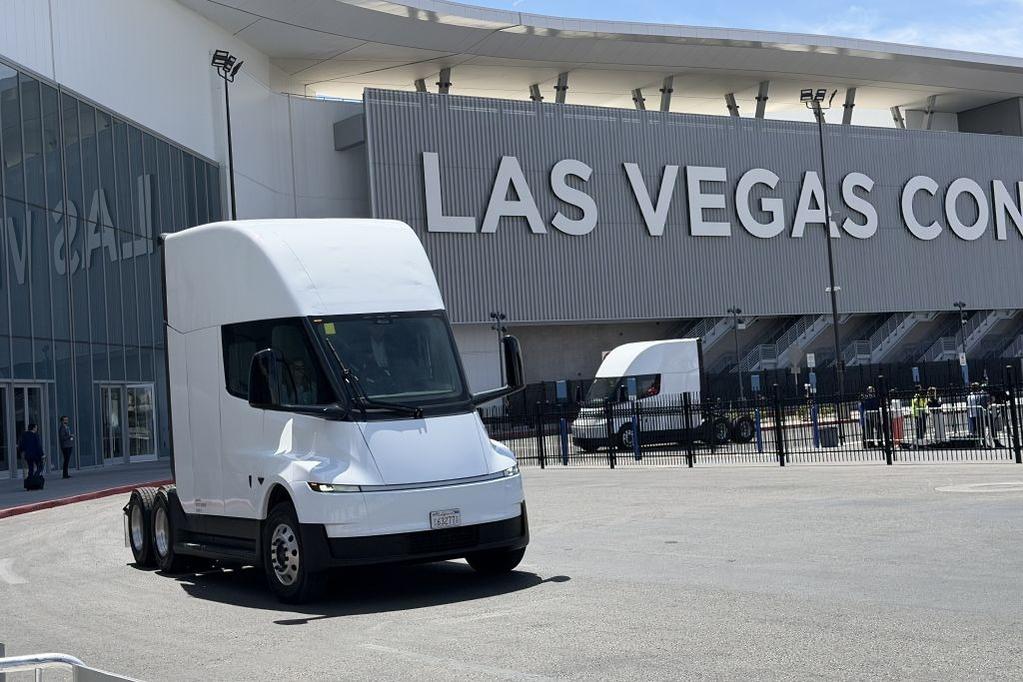
Nine years after it was first unveiled, the Tesla Semi is now in production at the Nevada Gigafactory and getting real road time. ACT Expo attendees could take a passenger ride in one. Tesla claims an 800km range and 1000hp from its three electric motors, at US mass limits. It’s not on Australian roads yet, but it’s the benchmark customers will start comparing other electric prime movers against, so it’s worth knowing the numbers.

Hendrickson’s first driven axle

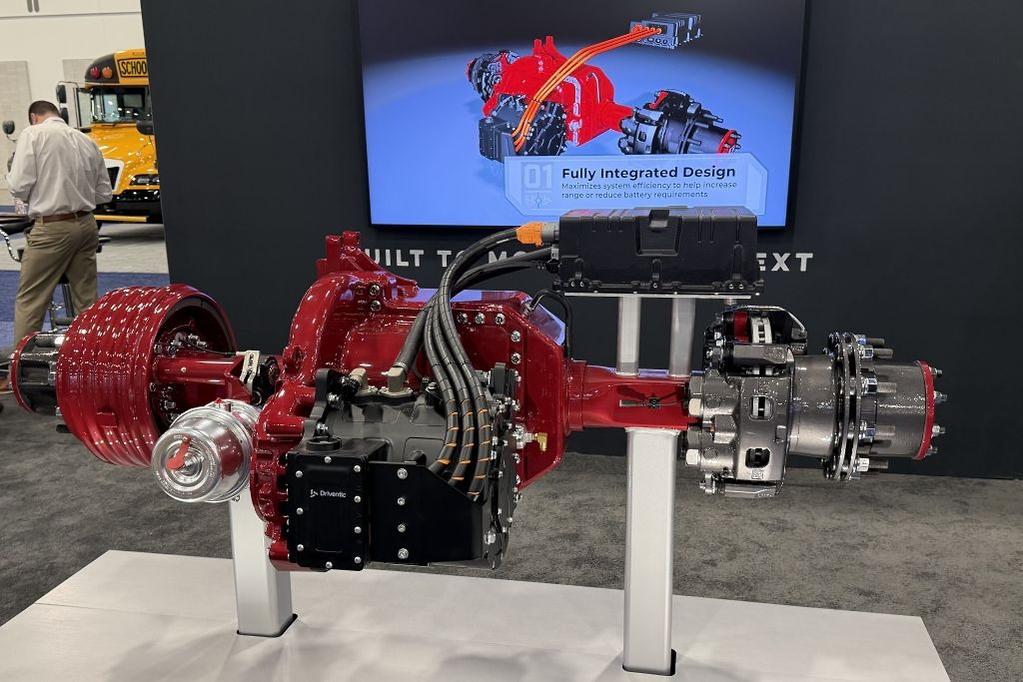
Axle maker Hendrickson used the show to launch Electraax, its first electric drive axle, built for medium duty trucks in partnership with German engineering firm Driventic. The integrated unit combines motor, inverter, gearbox and axle in one package, with a claimed 94 per cent efficiency gain and regenerative braking built in. It’s designed to give truck makers a low emission option without adding significant weight, which means less weight lost to the drivetrain and more payload to sell on to customers running medium duty routes.

Cleaner diesel from Volvo and Mack

Diesel isn’t going anywhere either. Volvo and Mack both showed new 13 litre engines built to meet the US EPA’s tighter 2027 rules, which cut the allowable NOx limit to 35mg and push fuel efficiency further. Volvo says its new engine cuts nitrogen oxide emissions by more than 80 per cent, while Mack points to a fuel economy gain of up to three per cent. Both engines also deliver 630hp of engine braking, and Mack has finally dropped its old cubic inch naming system for a metric one.

Volvo Trucks North America president Peter Voorhoeve called it the brand’s most fuel efficient and reliable engine yet.

For dealers, this is the section to watch closely. Diesel still makes up the bulk of stock on most dealerships, and engines built for the US EPA’s 2027 rules give an early read on where local emissions standards may eventually head too.

Toyota and Hyroad bring hydrogen to California

Toyota Motor North America has partnered with Hyroad Energy to put 40 hydrogen fuel cell prime movers on the road in southern California. Hyroad brings trucks, maintenance and operational support, drawing on assets it picked up from the collapsed Nikola Corporation, while Toyota contributes the hydrogen refuelling infrastructure it’s building across the state. The goal is to offer trucks, fuel and support through a single commercial arrangement, with a claimed range of up to 800km. Bundling the vehicle with fuel and support is the part worth noting. It’s a model that removes a common objection from hydrogen customers: who looks after refuelling and servicing once the truck’s on the road.

Hino’s electric range grows

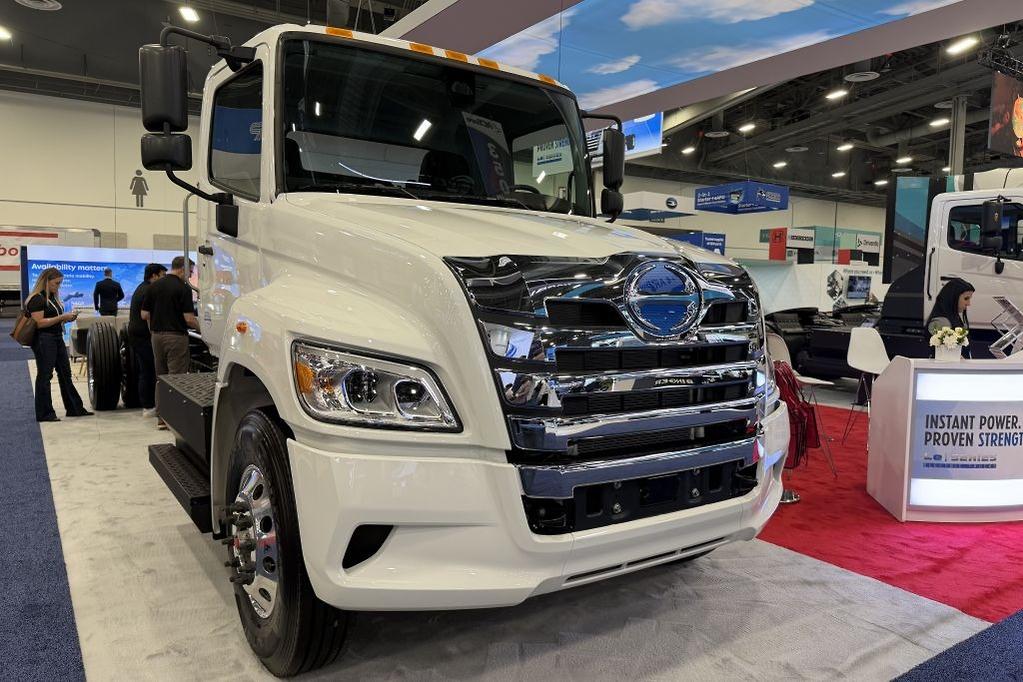
Toyota owned Hino unveiled its new Le Series battery electric medium duty trucks, the 11.8 tonne L6e and 15 tonne L7e, aimed at urban and regional routes. Both use an integrated e-axle producing up to 348hp through a two speed transmission, powered by a 269kWh battery built with Panasonic cells. Hino says the trucks can DC fast charge to 80 per cent in under two hours, with production due to start in the US later this year. Hino already has a foothold in the Australian market, so this is a range expansion worth flagging to customers running urban delivery or regional routes who’ve been asking about electric options.

A new name to watch

Horizon Motor also made its ACT Expo debut with the HM8 BEVSM, a heavy duty 6×4 battery electric prime mover sharing a similar profile to the Tesla Semi, minus the centrally mounted driver’s seat.

The road ahead

Customers are going to ask about low emission options, and the answer isn’t one technology, it’s the right fit for their routes. Knowing where diesel, hydrogen and electric are each heading gives you a stronger position in those conversations, whether that’s setting expectations on what’s coming, or steering a customer toward what’s already available. See what’s already on Australian roads and use it to guide your next stock and customer conversations.

Share this article:

LinkedIn logo

carsales for Business

Disclaimer:
The information presented in this article is true and correct at the time of publishing. business.carsales.com.au does not warrant or represent that the information is free from errors or omissions. The content is provided for informational purposes only and should not be construed as professional advice. For more details on our editorial standards and ethical guidelines, please visit our Editorial Guide Lines.