Home / VFACTS: What’s behind the new car sales shift?
VFACTS: What's behind the new car sales shift?
News
4 min read
Share this article:
News
5 min read
The Australian new car market is going through its most significant structural shift since local manufacturing ended in 2017. And the real story isn’t EVs.
Global oil prices surged in early 2026 following an escalation of conflict in the Middle East, pushing fuel costs higher for Australian motorists at an already tight time economically. That pressure didn’t create new buyer behaviour. It compressed a timeline. Buyers already questioning their next purchase, weighing up running costs, reconsidering what they actually needed, made faster decisions. The brands best positioned to catch them were those offering the widest spread of options at competitive price points.
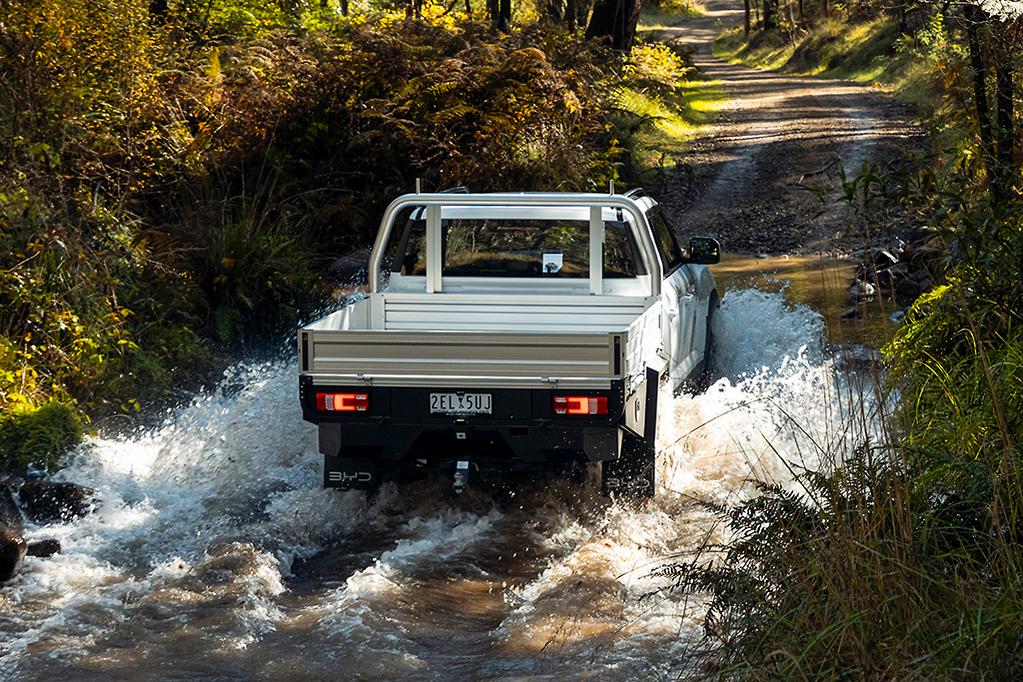
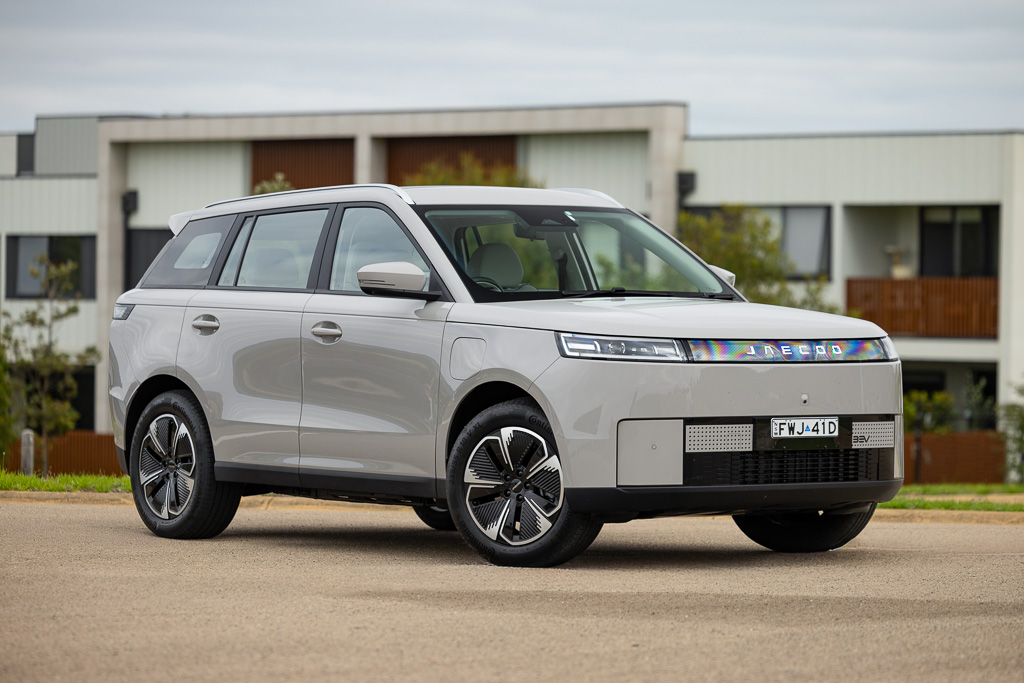
That’s the cleaner explanation for the Chinese brand performance in the May new car sales data. BYD up 120% year-on-year, Chery up 84%, the Jaecoo J5 landing seventh on the May model chart. Their combination of electric, PHEV, hybrid and petrol options at accessible prices gave buyers somewhere to land regardless of where they were in their thinking. That’s a structural advantage, not a temporary price play.

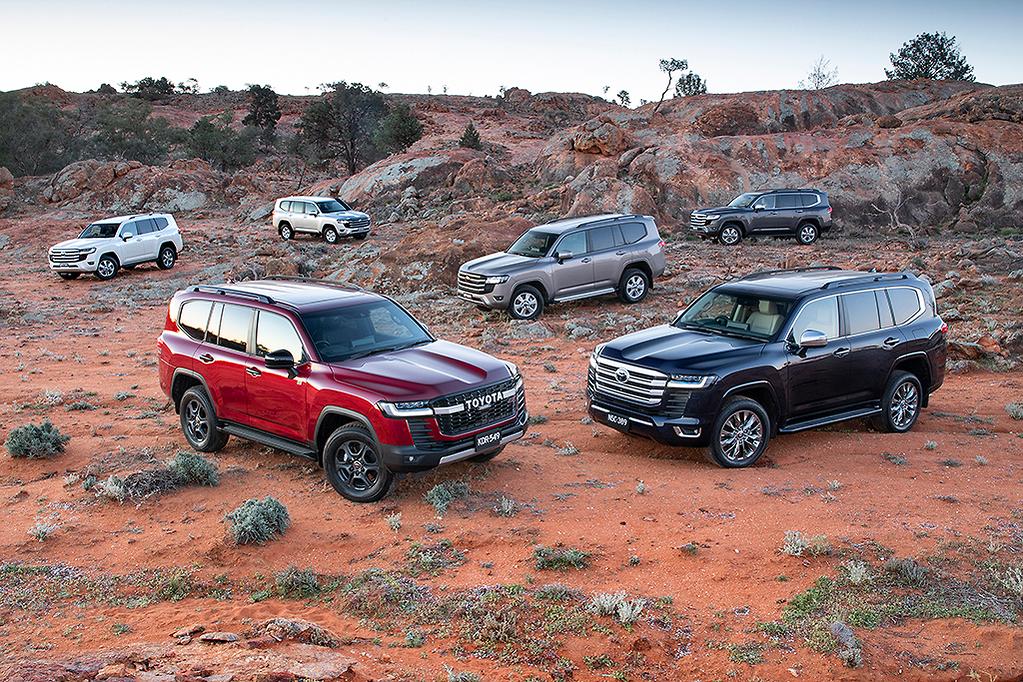
Diesel is evolving from a default purchase to a considered one, and that distinction matters. Sales are down 13.1% for the year. Redbook’s global general manager Ross Booth sees elevated fuel costs as having filtered out buyers who were choosing diesel out of habit rather than genuine need. “Some people used to buy a diesel because that’s just what you did,” he says. “Now people are looking at it and going, if I don’t need a diesel, why would I buy one?” Ute and SUV demand itself remains solid, as the Ranger and HiLux holding the top two model positions in May confirms. The assumed powertrain choice that once came with it is simply less automatic.
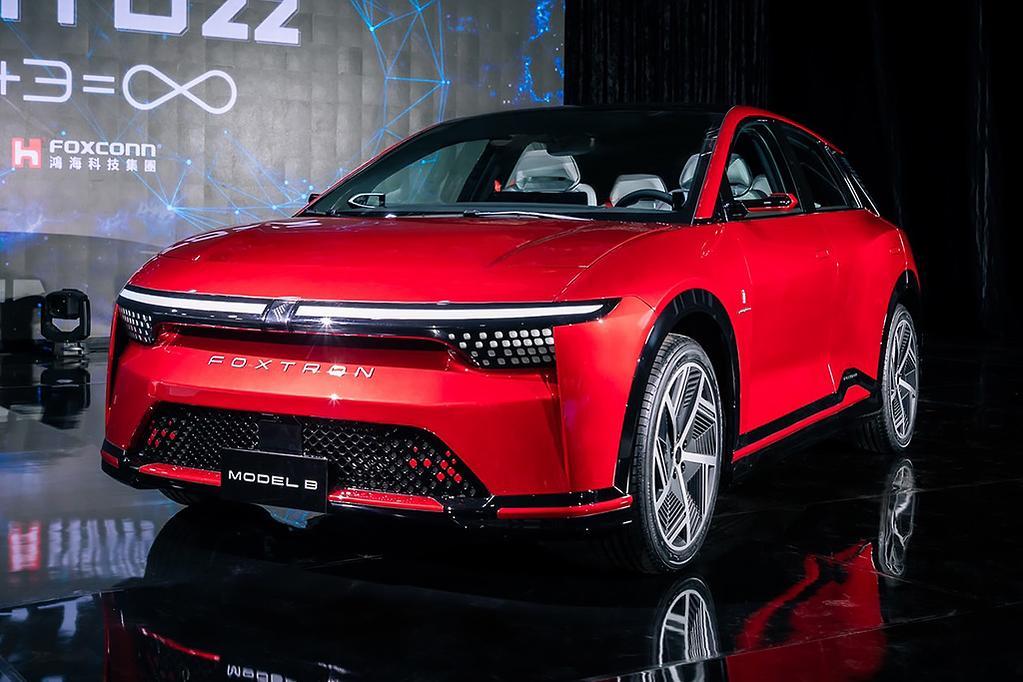
Established brands are adapting to these shifts too. Mazda has partnered with Changan to bring the 6e and CX-6e EVs to market. Nissan is sourcing the Frontier Pro PHEV through Dongfeng. Mitsubishi is working with Foxconn on an EV SUV. The pattern is consistent: broadening the powertrain offer rather than defending a single one.
The medium SUV segment, already close to 30% of the total market and up 25.6% in May, is where that plays out most visibly. Buyers here have more electrified options at accessible prices than at any point in the market’s history. That’s a durable shift, not a monthly anomaly.
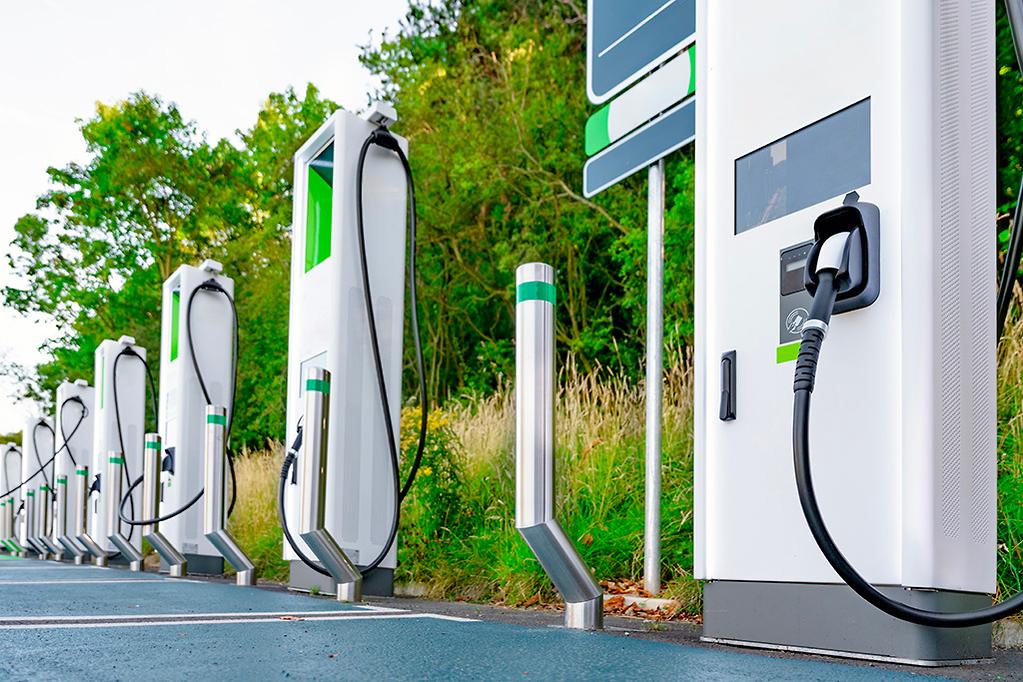
The structural support behind electrification is real. The New Vehicle Efficiency Standard is pulling more low-emission models into the market and the fringe benefits tax exemption continues to drive fleet uptake. But charging infrastructure and towing capability remain genuine limits on how quickly full EV grows from here, constraints the FCAI and EV Council agree on even if they rarely agree on much else.
Ross Booth’s view is that hybrid and PHEV are well suited to Australian conditions for the next few years. Solid-state battery technology is the development most likely to change that equation, closing the range and performance gaps that currently keep some buyers on the fence.
And when that technology comes, “then the market will change again,” he says.
Share this article:
Disclaimer:
The information presented in this article is true and correct at the time of publishing. business.carsales.com.au does not warrant or represent that the information is free from errors or omissions. The content is provided for informational purposes only and should not be construed as professional advice. For more details on our editorial standards and ethical guidelines, please visit our Editorial Guide Lines.