VFACTS July: the pressure points the headline numbers don't show

News
4 min read
Share this article:
News
4 min read

Seven months into 2026, the data points to a market being reshaped, not reshuffled, and the pressure isn't landing the same for every brand.

At a glance:


Chinese brands are building genuine multi-segment strength, established mid-tier names are absorbing the most pressure, and a handful of brands are proving that the right EV or hybrid call can shift momentum fast.


Key takeaways

  • Chinese brands are no longer relying on one hero model each, they’re building depth across segments, from small SUVs to utes to seven-seaters
  • The brands under the most pressure sit in the middle, squeezed between scale players and fast-growing new entrants
  • Powertrain and pricing decisions are proving more decisive than badge strength, even in the luxury segment
  • Strong forecasts don’t guarantee traction. Segment fit and product execution still decide the outcome
  • Early, well-timed EV and hybrid launches are starting to shift momentum for brands that got the call right


The finer details

July’s VFACTS numbers confirmed China’s share of the market keeps climbing. BYD alone is now sitting on a year-to-date tally of 60,192, more than double last year’s figure. What the VFACTS report doesn’t show is how unevenly the pressure is landing, or where individual brands are seeing their bets pay off.

BYD’s growth isn’t riding on one hero model. Its July total is spread across an EV, a small SUV, a ute and a seven-seater, and Zeekr, Chery, Geely, GWM and Omoda Jaecoo are building the same kind of depth. That’s landing hardest on brands sitting between Toyota’s scale and this new competition. Mazda, Mitsubishi, Nissan, Subaru and Volkswagen have all posted double-digit year-to-date declines, and even Ford, still Australia’s best-selling vehicle brand for the year, is down 10.8%. Luxury tells a different story, but points to the same lesson: powertrain and pricing decisions are proving just as decisive as badge strength. Audi, BMW, Land Rover, Porsche, Rolls-Royce and Lexus are all down for the year, while Mercedes-Benz has limited its decline to under 4% on the back of new model momentum, and Bentley is up, even if the volume is small.

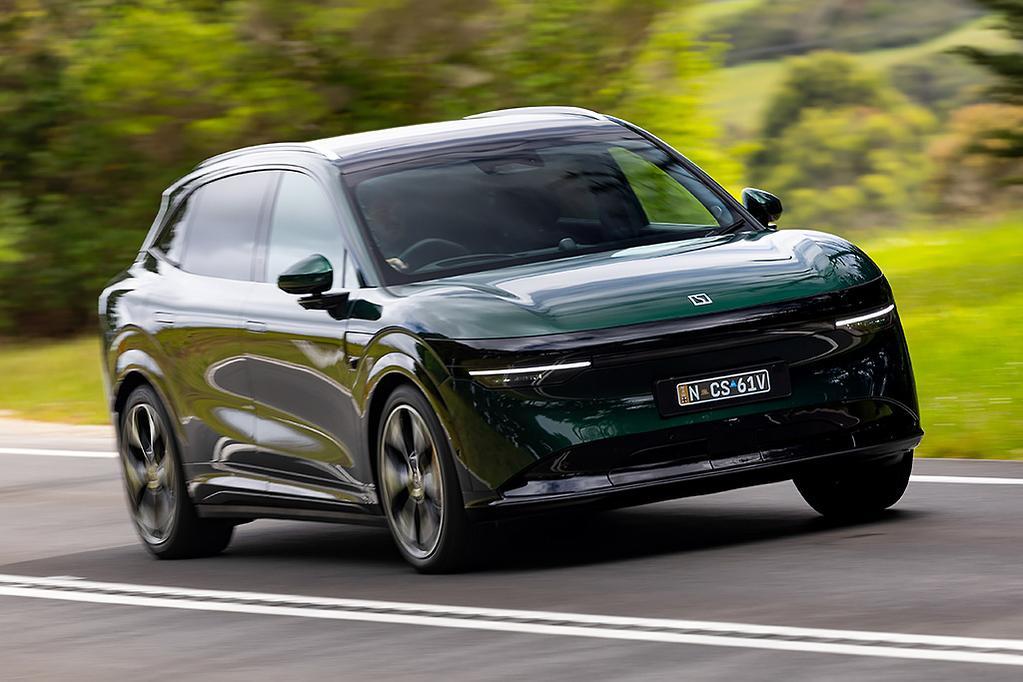
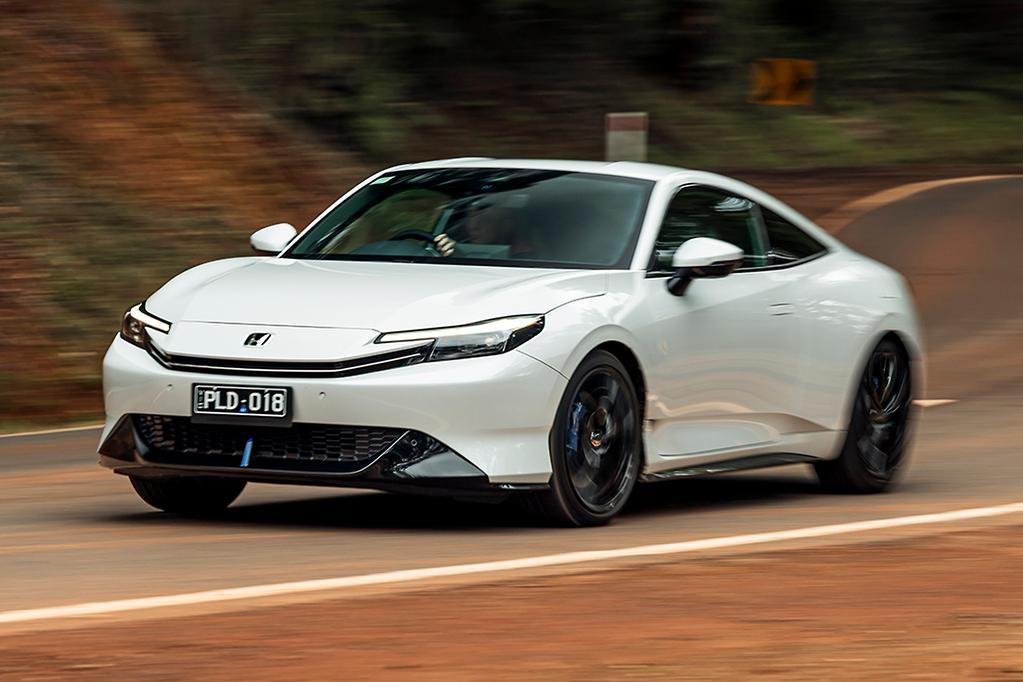
Honda Prelude

Not every bet has been about product. Honda’s shift to an agency model was a genuinely uncomfortable transition, one that tested patience across the dealer network. Seven months into 2026, the numbers are starting to turn, with the brand up 2.6% year-to-date. 

Onto forecasts. and not every brands grand plan is playing out as expected. Kia expected the Tasman to move close to 2,000 units a month at launch. It’s averaging 433. It’s a reminder that strong intentions and segment demand don’t always line up, and that the gap between forecast and reality is where stock and marketing plans need to flex fastest. Kia’s EV3 is doing the heavy lifting instead, holding the brand’s overall position steady.

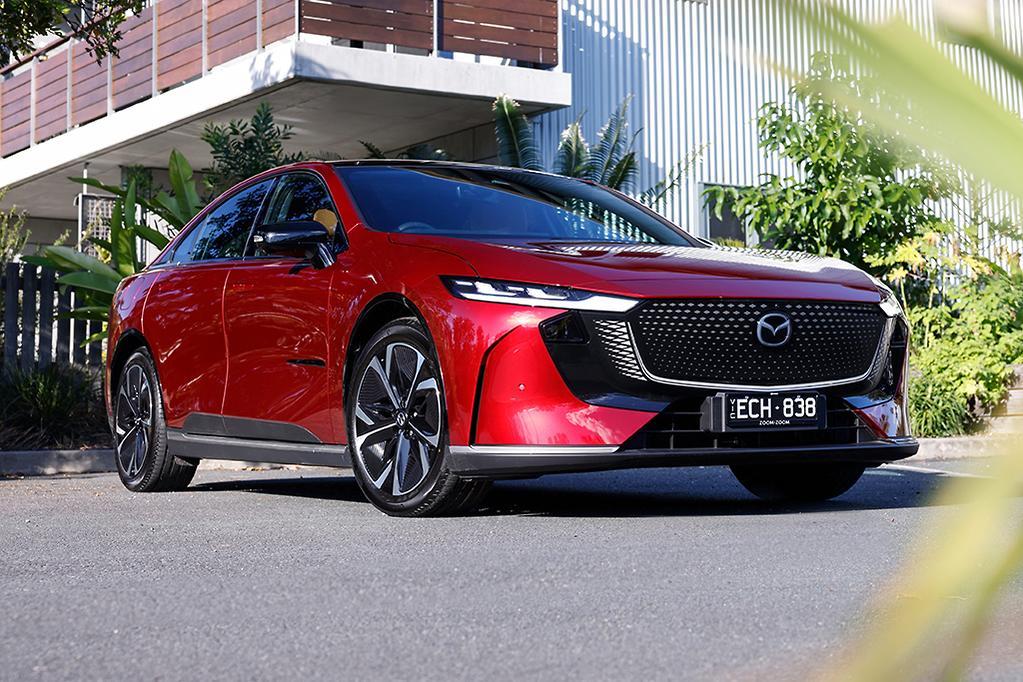
Mazda’s year has been tough on paper, down to fifth overall and out of the monthly top 10 with the CX-5. But its new 6e electric sedan has been a ray of light for the Japanese brand, outselling the Tesla Model 3 in July, and with the CX-6e medium SUV next in line, Mazda could be onto a winner. It’s an early sign that a well-timed powertrain shift can start turning a brand’s trajectory around inside a single model cycle.

The road ahead

None of this points to a settled market. It points to one still finding its shape, and that’s exactly when reading the data early matters most. Whether it’s rebalancing inventory toward the segments gaining ground, sharpening a value or powertrain message, or timing a campaign around where buyer intent is actually shifting, the signal is there for those willing to look past the headline number.


* Data sourced from FCAI VFACTS and the EVCouncil

Share this article:

LinkedIn logo

carsales for Business

Disclaimer:
The information presented in this article is true and correct at the time of publishing. business.carsales.com.au does not warrant or represent that the information is free from errors or omissions. The content is provided for informational purposes only and should not be construed as professional advice. For more details on our editorial standards and ethical guidelines, please visit our Editorial Guide Lines.