A ban on petrol and diesel car sales in the ACT by 2035 will have its challenges, according to leading car dealer association
The Australian Capital Territory’s plan to become the first state or territory in Australia to outlaw internal combustion engine-powered (ICE) new car sales from 2035 has drawn muted support from the Australian Automotive Dealer Association (AADA).
The association, which represents the interests of car dealers, says the ACT Government’s Zero Emissions Vehicles Strategy (2022-30) contains a number of good initiatives, but it remains concerned about the proposed ICE ban.
To be applied to the sale of cars, light trucks and motorcycles, the ICE ban will be supplemented by incentives to lift the uptake of electric vehicles to 80 to 90 per cent of new car sales by 2035.
MORE
NEW PODCAST – Watts Under the Bonnet with Greg Rust and Nadine Armstrong
“This target is all about light vehicles,” said the ACT minister for energy and emissions reduction, Shane Rattenbury.
“Our intent is that from 2035, you will not be able to put a new [ICE light vehicle] on the road. There are electric models available right now that you can replace them with. And we expect more models to become available in the coming years.”
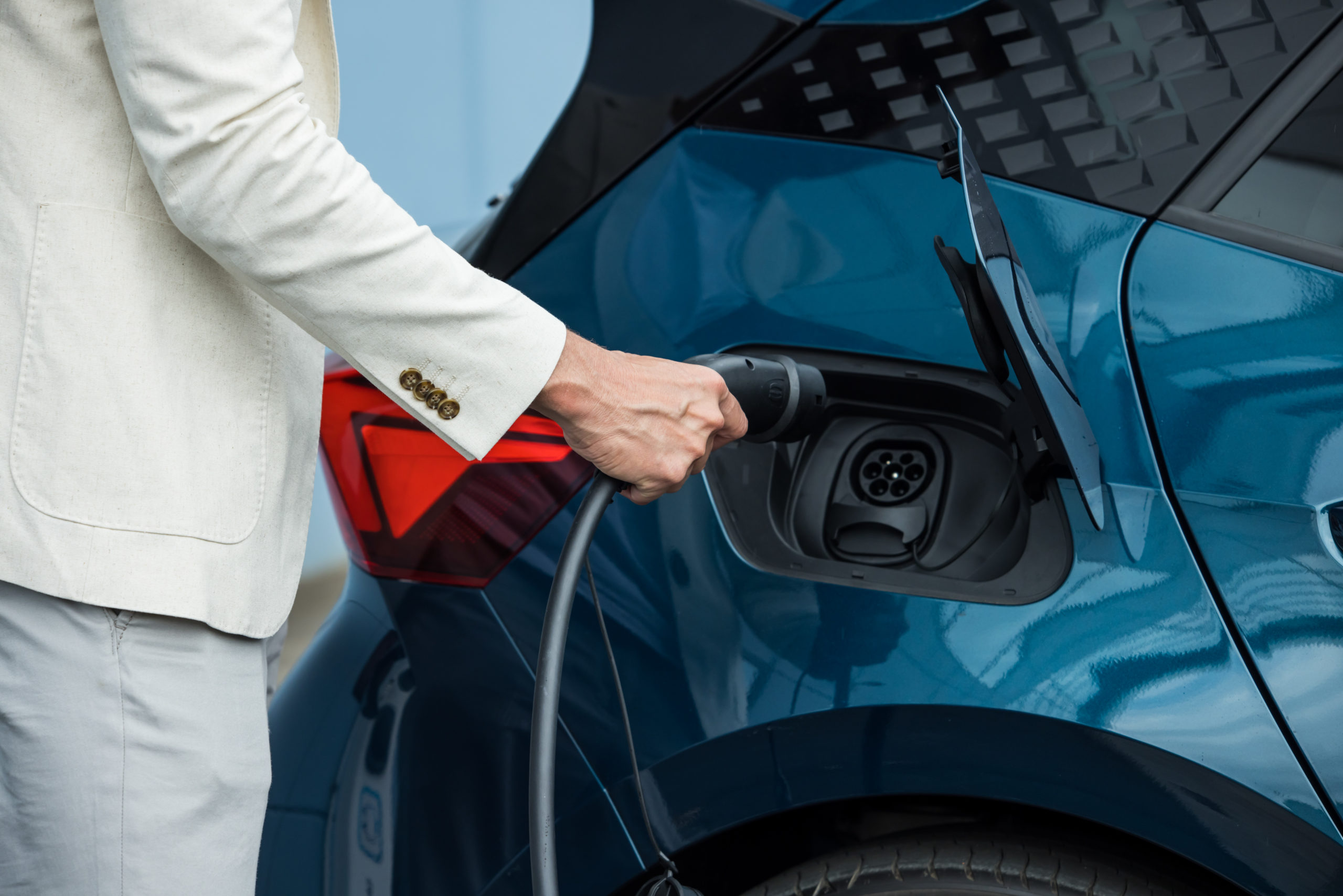
With supply lines in disarray, a new federal government and EV incentives varying markedly between states, the pathway to banning ICE vehicles presently looks perilous, a fact not lost on AADA CEO James Voortman.
“We have serious concerns that this policy will have adverse consequences for the automotive industry, the people they employ and consumers in the ACT,” he said yesterday.
“Electric vehicles are currently more expensive and at present there is a distinct lack of choice in available makes and models. These factors may well change by 2035, but this ban has been foreshadowed in an environment where there is great uncertainty,”
In a statement released the following day, Mr Voortman said that while the association still held concerns around the foreshadowed phase out of light internal combustion engine vehicles from 2035, it is pleased that the Government has said it will review this milestone to 2035.
“If we have learned anything in the past two years it is that the new vehicle supply chain is incredibly fragile. While we hope that we are able to supply 100 per cent ZEVs by 2035, there are too many unknown variables to say with confidence that we can – reviewing this target in the lead up to 2035 is a sensible commitment,” he said
The AADA does support the ACT’s view that the federal government needs to assume a leadership position when it comes to fast-tracking EV uptake in Australia.
This would require a national approach to emissions standards, vehicle taxation and vehicle standards, rather than the fractured state-by-state model currently in place.
“Leaving it to the individual state and territory governments to set their own policies is not in the best interest of consumers or businesses,” said Mr Voortman.
At present, NSW, Victoria and Queensland offer a $3000 rebate on the purchase of a new EV under a certain value, with the now-outdated Luxury Car Tax of $64,741 the highest limit across the three states.
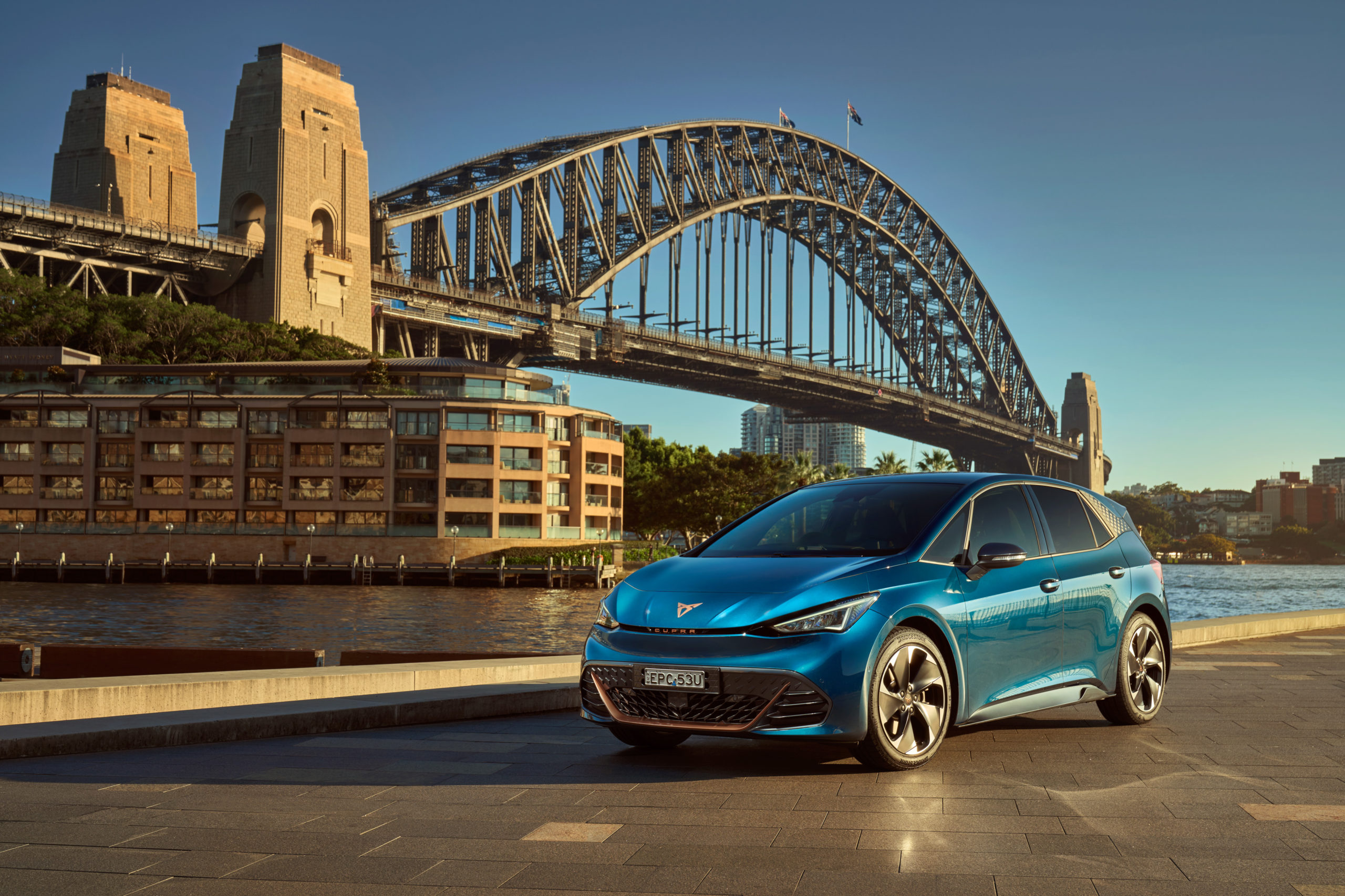
Victoria is the only state at present to charge battery-electric vehicle and hybrid-electric vehicle owners a per-kilometre usage tax, which has not been well received.
Stamp duty concessions and other small measures are currently offered in other states and territories.
[author] [author_image timthumb=’on’]https://editorial.csnstatic.com/editors/tim-robson-author.jpg[/author_image] [author_info]Tim Robson[/author_info] [/author]
NOW READ
Why fear of battery cost shouldn’t cloud EV ownership dreams