Australian truck market steadies through Q1 2026

News
4 min read
Share this article:
News
10 min read

Volumes are down on last year's record pace, but the quarter told a more encouraging story than the headline numbers suggest..

If you spent the first few months of 2026 wondering whether buyer confidence was coming back to Australia’s heavy vehicle market, March gave you a reasonable answer: yes, but gradually.

The Australian commercial vehicle market recorded 9,132 new deliveries across January, February and March, with each month improving on the last. It is worth noting that the market is stepping back from several years of record-breaking volume, and a correction was well-signalled. 

The conditions shaping demand are familiar by now. Economic pressure, the ongoing transition to ADR 80/04 (Euro 6) emissions standards, and a supply of late-model used stock from high-profile operator closures in 2025 are all keeping a lid on new vehicle purchases. None of those factors disappear overnight. But operators are re-entering the market, and we detail the segments driving that recovery below.

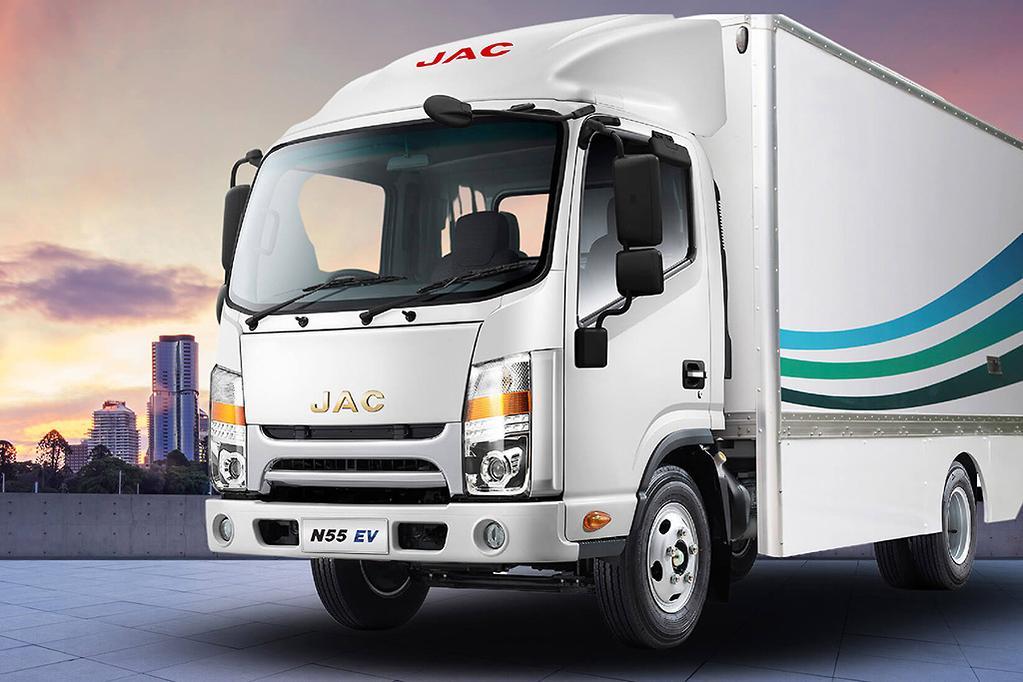
JAC N55

How the quarter unfolded

January opened quietly, with 2,464 deliveries recorded across all trucks and vans, down 11.5 per cent on January 2025. Some of that is seasonal noise; the first month of the year is always prone to holiday disruptions and stock rollover between calendar years. But the broader softness was real.

February stepped up to 3,003 units, a meaningful lift that signalled operators were getting back to business. Year-on-year the figure was still down 12.9 per cent, but the monthly momentum was an encouraging sign for dealers who had navigated a slow start.

March delivered the quarter’s best result: 3,665 units, the highest monthly total of 2026 so far. Year-on-year it was down 11.2 per cent from March 2025’s 4,125 units, consistent with the pattern across the quarter. The direction of travel, though, was clearly positive.

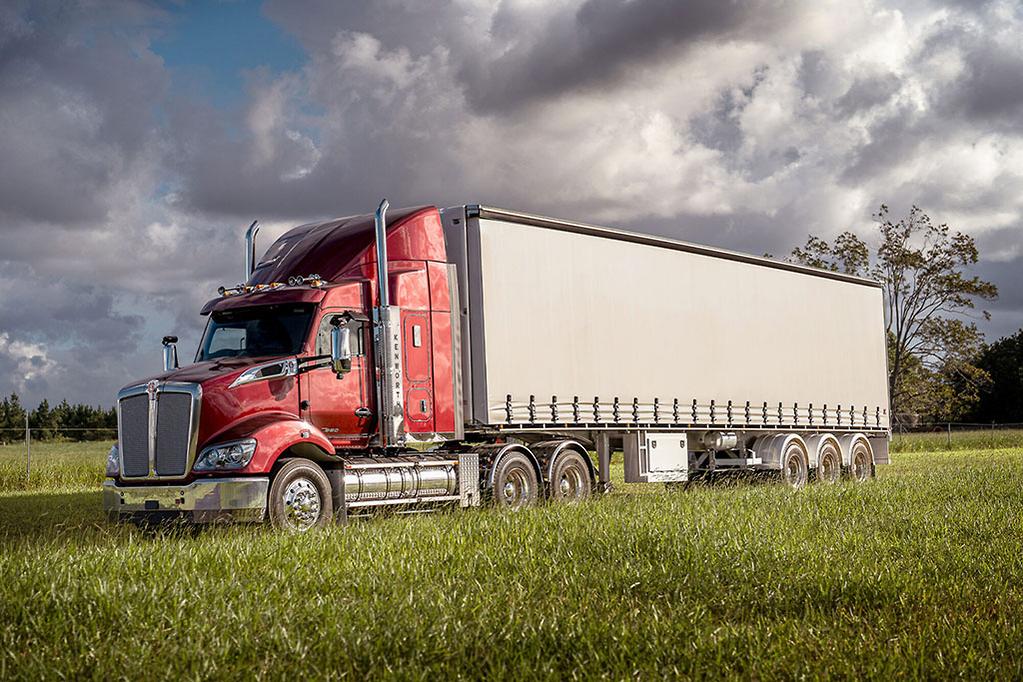
Kenworth T620

Heavy-duty

The heavy-duty segment was the relative bright spot of the quarter. Monthly volumes of 788, 977 and 1,240 units across January, February and March tell a story of steady recovery, and March’s year-on-year decline of 9.0 per cent was the most modest of any truck category.

Fleet renewal activity in the heavy-duty space appears resilient, and the competition at the top of the leaderboard intensified through the quarter. Kenworth held its position across all three months with 196, 183 and 240 units respectively, but Volvo closed the gap consistently, posting 147, 141 and 221 deliveries. If you represent either brand, the fight for the top spot looks like it will be a theme of 2026.

Among the European manufacturers, DAF was the standout mover, more than doubling its January result by March. Scania and Mercedes-Benz also posted solid numbers throughout the quarter, reflecting genuine competition for share in the premium prime mover space.

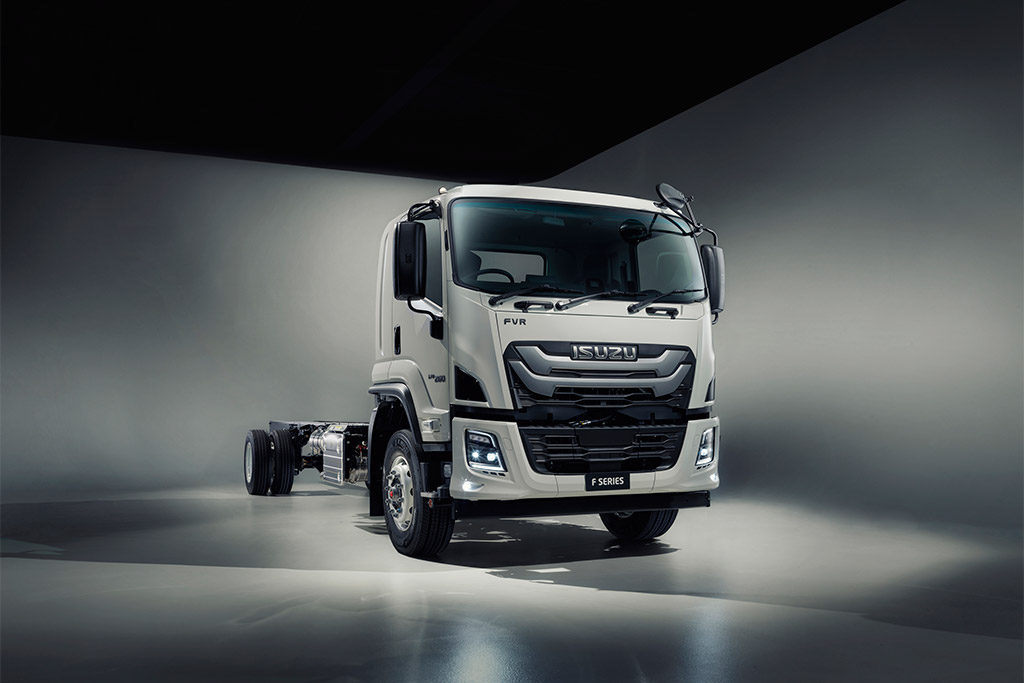
Isuzu FVR

Medium-duty

There is no sugarcoating the medium-duty picture. Year-on-year declines of 38.1, 36.0 and 32.7 per cent across the three months make this the most challenged segment in the market, and the underlying reason is structural rather than cyclical.

Operators are increasingly choosing one of two paths: light-duty vehicles for urban and last-mile work, or heavy-duty trucks for higher-capacity tasks. The middle ground is shrinking. Volumes of 292, 364 and 419 units across the quarter represent a significant contraction from where this segment was 12 months ago, and there is little in the current data to suggest a reversal.

Isuzu continues to account for more than half of all medium-duty sales, with Fuso and Hino occupying a distant second and third. For dealers carrying medium-duty stock, the practical implication is worth confronting directly: conversations with fleet customers in this space will increasingly involve understanding whether their next purchase stays in the segment or moves up or down. Getting ahead of that conversation is more useful than waiting for the inquiry to land.

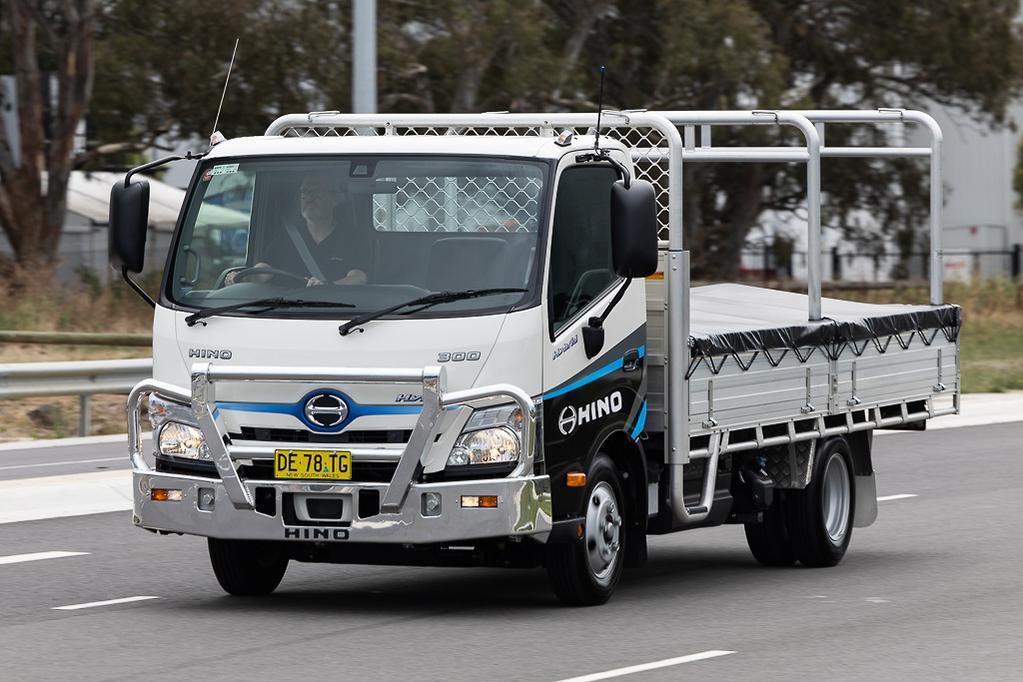
HINO 300 series Hybrid

Light duty

Light-duty trucks were the most consistent performer of the quarter. Year-on-year declines of 3.4, 22.2 and 3.9 per cent for January, February and March respectively show a segment that largely held its ground, with February’s sharper dip giving way to a strong March recovery of 1,131 units.

The demand driver here is well-established: urban delivery and last-mile logistics are keeping this segment active. Operators working in city-based freight are still investing, and the ongoing popularity of car-licence-compatible trucks continues to support inquiry volumes even as other categories soften.

Isuzu, Hino and Fuso held the top three positions throughout the quarter, though Isuzu’s share of the segment eased in March as rivals gained ground. For dealers representing challenger brands in this space, there is real opportunity to capitalise on that shift.

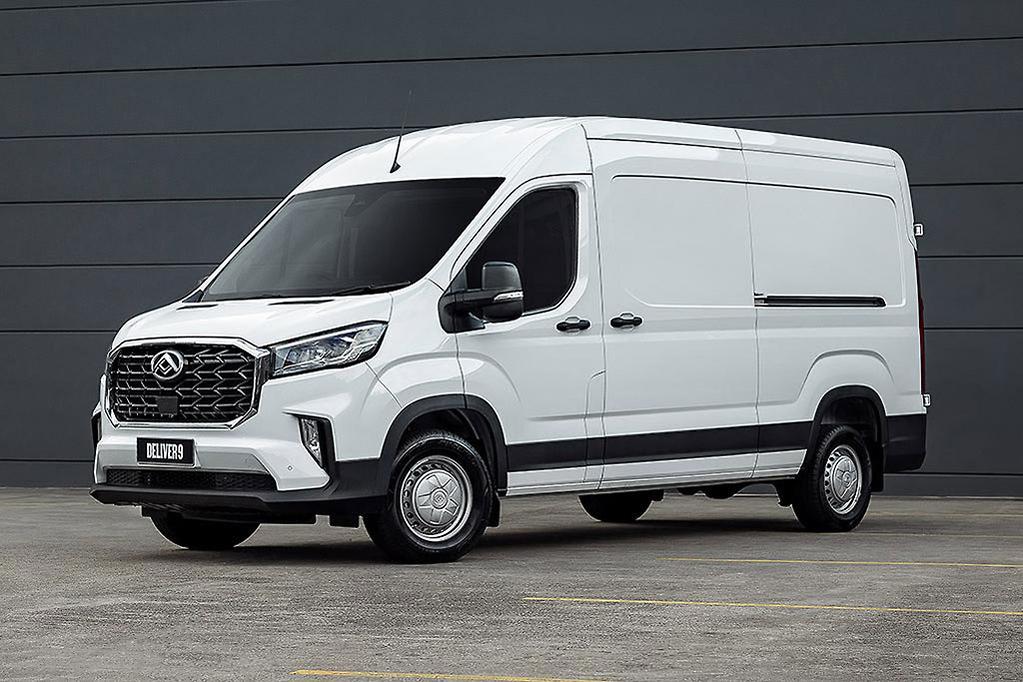
LDV Deliver 9

Vans

The van segment (3.5-tonne GVM and above) was the quiet achiever of the quarter. January was broadly flat year-on-year, February delivered a 17.8 per cent year-on-year increase that bucked every other category’s trend, and March settled to a 9.0 per cent decline. Taken together, it is the most resilient performance of any segment across Q1.

The same last-mile and urban delivery demand underpinning light-duty trucks is fuelling van sales, and the competitive landscape is shifting. LDV claimed the top spot in both February and March ahead of Mercedes-Benz, while Ford’s Transit posted consistently strong numbers. For dealers in this space, buyer appetite is there and the question is how well you are positioned to capture it.

Share this article:

LinkedIn logo

carsales for Business

Disclaimer:
The information presented in this article is true and correct at the time of publishing. business.carsales.com.au does not warrant or represent that the information is free from errors or omissions. The content is provided for informational purposes only and should not be construed as professional advice. For more details on our editorial standards and ethical guidelines, please visit our Editorial Guide Lines.