Tractor sales Q1 2026: headwinds persist, but high-horsepower holds firm

News
4 min read
Share this article:
News
10 min read

Total tractor sales fell across Q1 2026, but the 200hp-plus category bucked the trend. Read on for a full breakdown of the quarter's results and what they signal

Australia’s tractor market had a tough start to 2026, with sales declining across each month of the quarter and year-to-date volumes finishing Q1 approximately eight per cent below 2025 levels. The headline numbers are sobering, but the story inside them is more encouraging. High-horsepower machinery demand has remained resilient throughout, and leading manufacturers are increasingly confident the worst is behind us.


The quarter in numbers

January opened quietly, with approximately 500 units sold, down seven per cent on the same period in 2025. February saw just under 700 units change hands, a 6.6 per cent year-on-year decline. March brought around 900 units sold, down 10 per cent on March 2025. Volume was softer across the board, but the value story tells a different tale.

The high-horsepower story

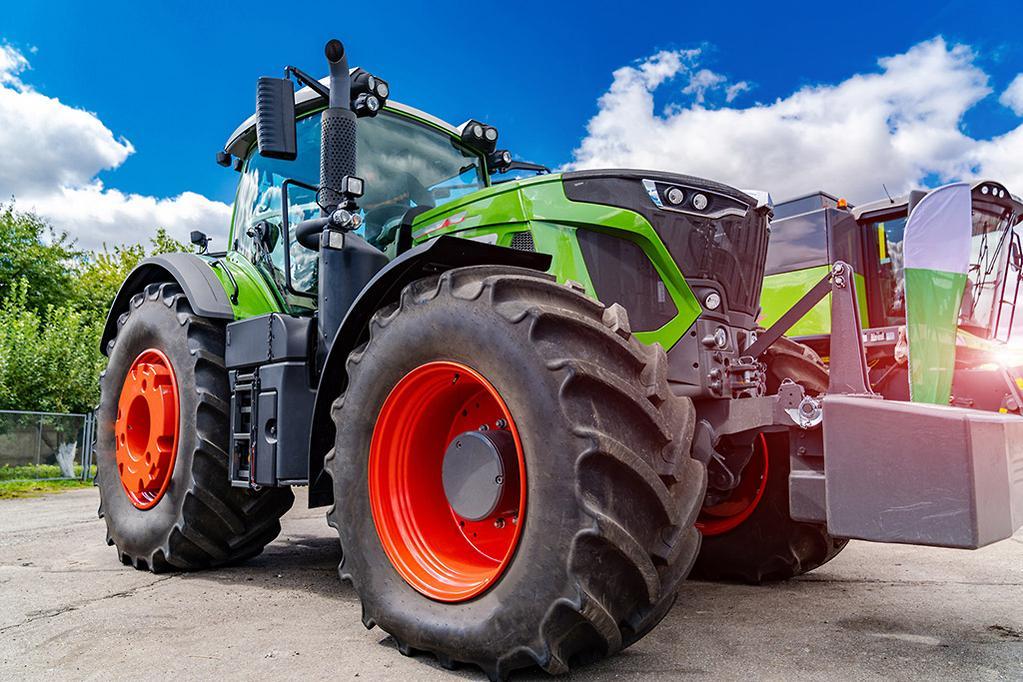
The clearest trend across Q1 was sustained demand for large machinery. In January, the 100-200hp and 200hp-plus categories surged by 8.4 and 42.2 per cent respectively. That momentum carried into February, with tractors above 200hp rising 22.5 per cent year-on-year. Despite the dip in unit volumes, total retail turnover for February increased 18 per cent, reflecting the higher value of the machines driving buyer activity. By March, the 200hp-plus segment remained the only category in positive territory on a year-to-date basis, sitting 9.2 per cent ahead of 2025 levels.

At the other end of the spectrum, the sub-40hp segment bore the brunt of the downturn, finishing March down 24.2 per cent year-to-date.

What’s driving the softness

The TMA has been consistent in its messaging across the quarter. “Tractor sales across the globe are struggling as increased manufacturing costs continue to weigh on demand,” the organisation noted in its February report. “Here in Australia, this has been further exacerbated by the challenging climate with some areas, particularly in the south of the country, in severe drought whilst some in the north are experiencing high seasonal rains.”

By March, the pressure had compounded. “The fragile confidence of farmers is currently taking a beating as a result of the war in Iran, with a return to stable conditions some way off,” the TMA said. Trade tariff uncertainty has added another layer of difficulty for suppliers already managing elevated costs from global supply chains.


State by state

The geographic picture shifted across the quarter. January saw only Tasmania, the Northern Territory and Western Australia in positive territory. February brought South Australia and the NT into growth, up 10.7 and 14.3 per cent respectively, while Victoria, NSW and WA recorded declines. March reinforced that split, with NSW down 24.7 per cent for the month and WA off 20.8 per cent. The NT’s year-to-date position of plus 56.5 per cent was a standout result against an otherwise challenging national backdrop.

Beyond tractors: balers and mowers hold up

Not all segments followed tractors downward. Balers were a consistent bright spot throughout the quarter, rising 89 per cent in January before pulling back 18 per cent in February while remaining 24 per cent ahead year-to-date. March continued the positive run, with balers up 11 per cent for the month and 22 per cent ahead year-to-date. Out-front mowers also had a strong March, up 29 per cent on the same time last year. Self-propelled sprayers moved in the opposite direction across the quarter, and combine harvester activity was minimal through most of the period.


Looking ahead

For all the difficulty Q1 has brought, there are genuine reasons for cautious optimism. Major manufacturers including John Deere and Case New Holland have signalled they believe the market is at or near the bottom of its cycle. The TMA’s view is consistent: a rapid return to boom conditions is unlikely, but the floor appears to have been reached and gradual improvement is anticipated as conditions stabilise.

The sustained appetite for high-horsepower machinery is a meaningful signal too. Farmers who are buying right now are doing so with conviction. For dealers, that’s worth paying attention to when thinking about where to focus inventory and conversations in the months ahead.

Share this article:

LinkedIn logo

carsales for Business

Disclaimer:
The information presented in this article is true and correct at the time of publishing. business.carsales.com.au does not warrant or represent that the information is free from errors or omissions. The content is provided for informational purposes only and should not be construed as professional advice. For more details on our editorial standards and ethical guidelines, please visit our Editorial Guide Lines.