VFACTS June 2026: Australia's strongest month ever, BYD erases gap to Toyota

News
6 min read
Share this article:
News
10 min read

BYD closed to within a whisker of top spot as the Tesla Model Y topped the charts by its widest margin yet.

At a glance

June 2026 was the biggest month the Australian new vehicle market has ever recorded. A combined 140,058 new vehicles were delivered, up 9.9 per cent on June 2025, with the total incorporating VFACTS data alongside sales reported separately through the Electric Vehicle Council. Toyota kept top spot on the brand ladder, but only just. Battery electric vehicles reached 23.3 per cent of deliveries from all sources, and the Tesla Model Y became the nation’s best-selling vehicle for a second month running, this time by a margin of more than 2,000 cars. 

Key takeaways

  • The combined market hit 140,058 deliveries, the strongest month on record and up 9.9 per cent year on year
  • BYD sold 18,881 vehicles, just 243 short of Toyota’s 19,124, after growing 131.5 per cent on June 2025
  • The Tesla Model Y delivered 8,072 units to finish as Australia’s top-selling vehicle for the second consecutive month, more than 2,000 clear of the Ford Ranger
  • BEVs reached a record 23.3 per cent share of all deliveries, and electrified vehicles (BEV, hybrid and PHEV combined) landed just shy of half the market at 49.5 per cent
  • Chinese-built vehicles, including Tesla and Polestar, accounted for close to two in five new cars delivered 

The Finer Details

The Australian auto industry has watched the gap between Toyota and BYD close for months, and June is the month it nearly disappeared. Toyota delivered 19,124 vehicles to retain top spot, but BYD‘s 18,881 sales, up 131.5 per cent on June 2025, leave just 243 cars between first and second. Toyota’s own result was down 5.4 per cent month on month, a figure that reflects supply timing and model changeover across key nameplates like RAV4 and Corolla as much as any shift in demand. Whichever way July breaks, this is now the tightest race at the top of the Australian market in years, and one worth watching closely. 

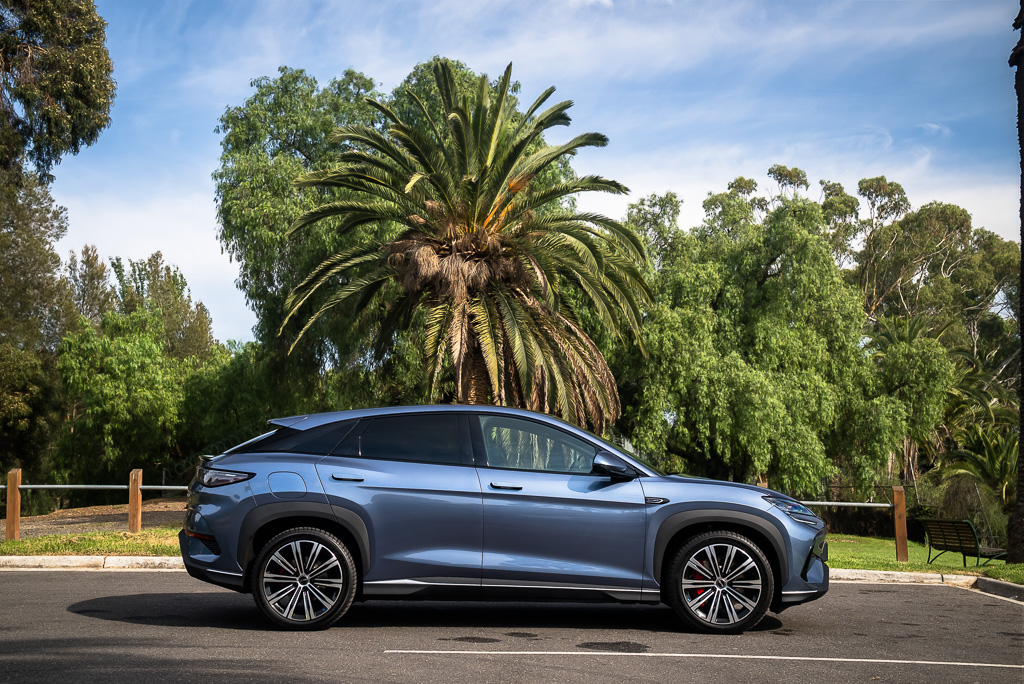
BYD Sealion 7

The electrification story kept accelerating too. BEVs reached a record 23.3 per cent share of deliveries from all sources in June, having sat at just 7.6 per cent a year earlier.

Across the first half of 2026, that share climbed every single month, from 8.4 per cent in January to 23.4 per cent by June, nearly tripling in six months. Add hybrids and plug-in hybrids to the mix and electrified vehicles reached 49.5 per cent of the combined market, edging right up to the halfway mark.

FCAI chief executive Tony Weber called the result a genuine turning point for the industry. “The Australian automotive market has shifted on its axis during the first months of 2026,” Weber said. “This year is likely to represent a significant turning point for the Australian automotive industry.” He pointed to global uncertainty, including conflict in the Middle East and volatility in petrol prices, as having sharpened consumer interest in vehicles that reduce exposure to fuel costs, while noting part of the growth looks like a permanent structural shift rather than a short-term reaction. 

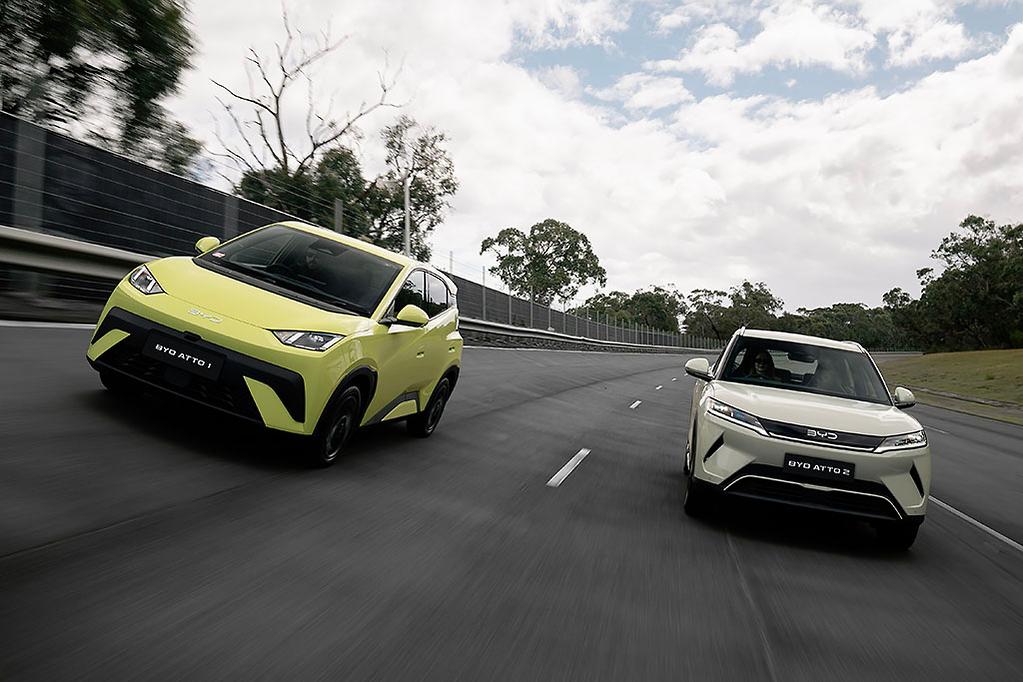
BYD Atto 2

Tesla capped its best month in Australia. The Model Y alone delivered 8,072 units, a 44 per cent jump on its own record from May and enough to finish more than 2,000 cars clear of the Ford Ranger as the nation’s top-selling vehicle for the second month running. Tesla’s total of 8,670 deliveries almost doubled its June 2025 result and comfortably beat its previous monthly high of 6,433 set in May. Polestar’s June was quieter, down against a strong result a year earlier, though the brand’s year-to-date tally has now passed 1,200 vehicles, with the Polestar 4 continuing to carry the bulk of that volume. 

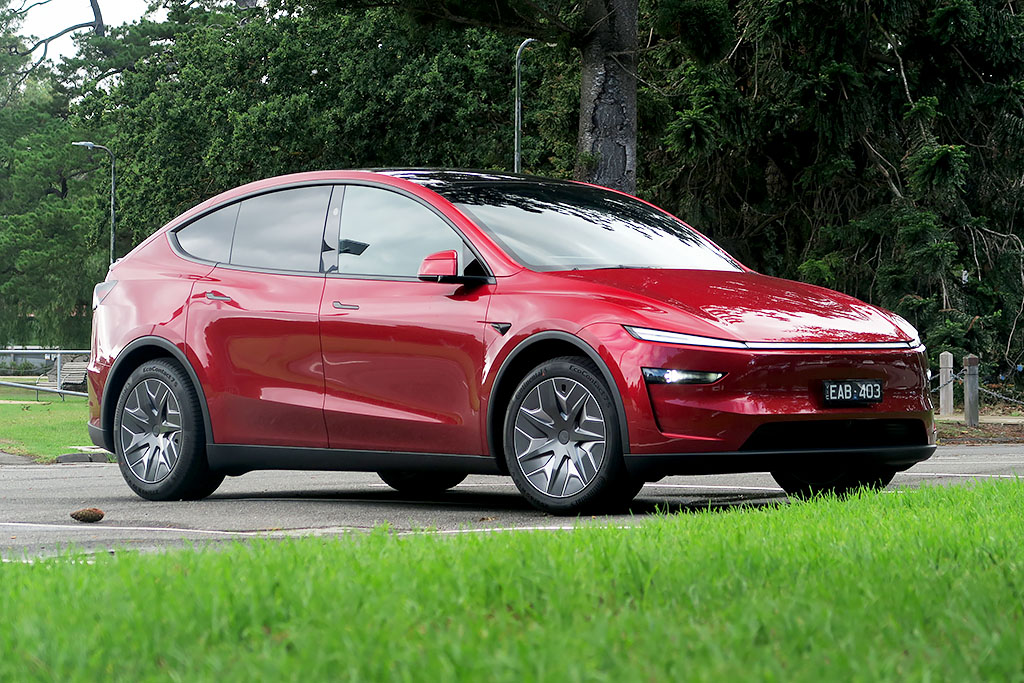
Tesla Model Y L

Brands and models 

The Chinese brand story continues to reshape the top of the market. Alongside BYD’s surge to within touching distance of first place, Chery grew 49.0 per cent for the month and 76.8 per cent year to date, GWM added 11.7 per cent, and MG lifted 28.4 per cent to push past both Chery and Mitsubishi into the combined top 10 brands for June.

Further down the order, the newer arrivals are scaling fast from a low base: Geely grew 326.6 per cent month on month, Omoda Jaecoo climbed to 2,541 sales from 380 a year ago, Zeekr moved from 111 to 1,954, and Denza, brand new to the market, delivered 790 vehicles in its own right. 

Vehicles built in China, including Tesla and Polestar, accounted for approximately 39.6 per cent of all deliveries in June, edging closer to two in every five new cars on the road. 

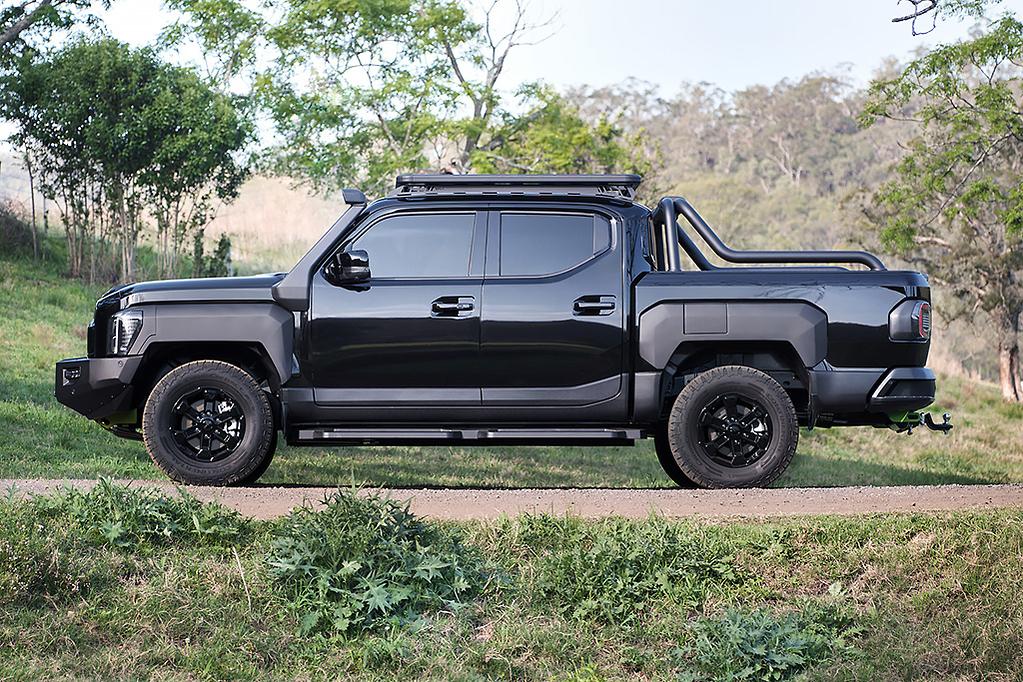
KIA Tasman

Elsewhere in the top 10, Kia grew a modest 2.5 per cent while Ford, Hyundai, Mazda, Mitsubishi and Subaru all eased back from a strong June 2025, a result that lines up with broader supply and model-cycle timing across several of those ranges as much as any change in underlying demand.

Best-selling brands, June 2026 

  1. Toyota – 19,124
  2. BYD – 18,881
  3. Ford – 9,181
  4. Tesla – 8,670
  5. Kia – 8,005
  6. Hyundai – 7,480
  7. Mazda – 7,278
  8. GWM – 6,104
  9. MG – 5,001
  10. Chery – 4,505 

Best-selling models, June 2026 

  1. Tesla Model Y – 8,072
  2. Ford Ranger – 5,999
  3. Toyota HiLux 4×4 – 5,175
  4. BYD Sealion 7 – 4,730
  5. Toyota RAV4 – 4,115
  6. BYD Shark 6 – 3,398
  7. Isuzu D-Max – 2,740
  8. Hyundai Kona – 2,505
  9. BYD Atto 2 – 2,482
  10. Haval Jolion – 2,446 

Segments 

SUVs remained the engine room of the market, up 17.7 per cent month on month to 84,059 sales and now accounting for 64.1 per cent of every new vehicle delivered. Medium SUVs led that growth by a wide margin, up 45.1 per cent for the month and now close to 30 per cent of the total market on their own, a segment where buyers now have more electrified choice than at any point in the market’s history. Small and upper large SUVs also grew, while large SUV demand eased slightly against a strong result a year ago. 

Light commercial volume softened, down 10.4 per cent for the month, continuing a trend that’s tracked alongside rising fuel costs and a widening spread of electrified alternatives across the ute segment. The passenger segment held broadly steady, down 0.6 per cent month on month, with growth in electric and hybrid passenger models offsetting softer petrol volumes. 

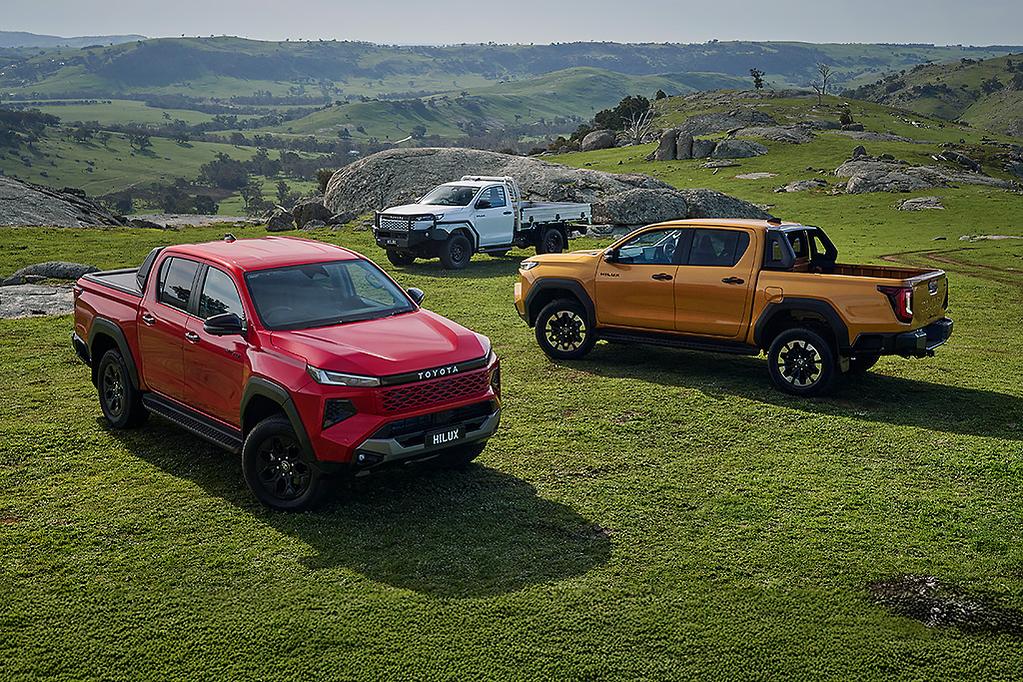
Toyota HiLux Range

The Road Ahead

With BEV share nearly tripling across the first half of the year and the gap at the top of the brand ladder down to a few hundred cars, the second half of 2026 is shaping up as one of the most closely watched stretches in the market’s history.  

July’s numbers are certainly worth anticipating. If BYD holds anywhere near June’s growth rate, it could take top spot on the brand ladder for the first time. Dealers carrying a genuine spread of stock across ICE, hybrid and EV, particularly in medium SUVs, now close to 30 per cent of the market on their own, are the ones best placed to capture demand no matter which way that race breaks. 


* Data sourced from FCAI VFACTS and the EVCouncil


Share this article:

LinkedIn logo

carsales for Business

Disclaimer:
The information presented in this article is true and correct at the time of publishing. business.carsales.com.au does not warrant or represent that the information is free from errors or omissions. The content is provided for informational purposes only and should not be construed as professional advice. For more details on our editorial standards and ethical guidelines, please visit our Editorial Guide Lines.