VFACTS July 2026: New-car market posts best July result on record

News
6 min read
Share this article:
News
10 min read

Australia's new-car market posts its strongest July ever, EVs hold above one in five sales as more new entrants join the report.

At a glance

In what was another record month for new-car sales, Medium SUVs stay the country’s biggest segment, and Chinese-built vehicles now account for more than a third of everything sold.

Key takeaways

  • 108,577 new vehicles delivered in July 2026, up 4.2% on July 2025’s combined 104,244

  • Year to date, 740,160 vehicles have found homes, up 1.6% on the same point last year

  • Battery electric vehicles made up 21.7% of the combined market, holding above one in five for a second straight month

  • Toyota led the brand table with 20,409 deliveries, comfortably ahead of BYD’s 7,857

  • Chinese-built vehicles reached 35.5% of the combined market in July, more than one in three 

The Finer Details

July delivered the best result for the month on record, according to the Federal Chamber of Automotive Industries, with the EV Council’s Tesla and Polestar figures of 4,921 layered in, the combined market reaches 108,577, a result up 4.2% on the same combined figure from July 2025. 

Electrification remains the standout story of 2026. BEVs from all reporting sources totalled 23,510 for the month, or 21.7% of the combined market, confirming that battery electric vehicles have now cleared the one-in-five mark for two consecutive months. Year to date, BEVs sit at 127,244 units and 17.3% share.

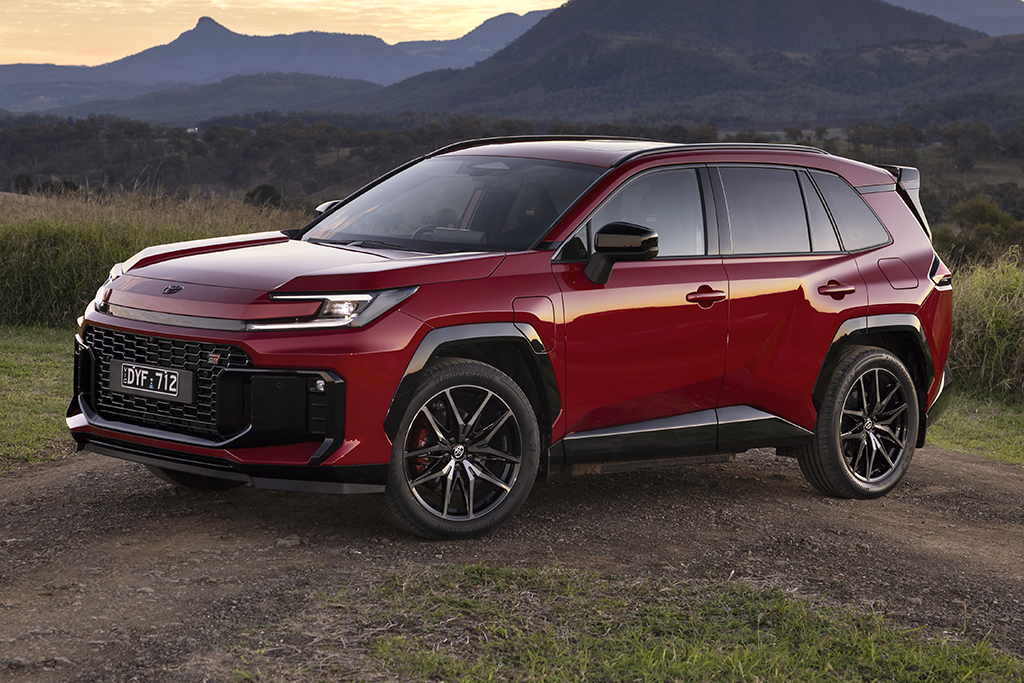
Toyota RAV4 PHEV GR Sport

PHEV sales are moving even faster in percentage terms. VFACTS recorded 10,359 PHEV deliveries across passenger, SUV and light commercial vehicles in July, up 157% on July 2025. Hybrid sales grew a steadier 5.1% to 18,684. Together with BEVs, electrified drivetrains made up close to half of every passenger, SUV and light commercial vehicle delivered in July, expanding the options available to buyers rather than displacing the combustion vehicles that still fill the majority dealer stock sold. 

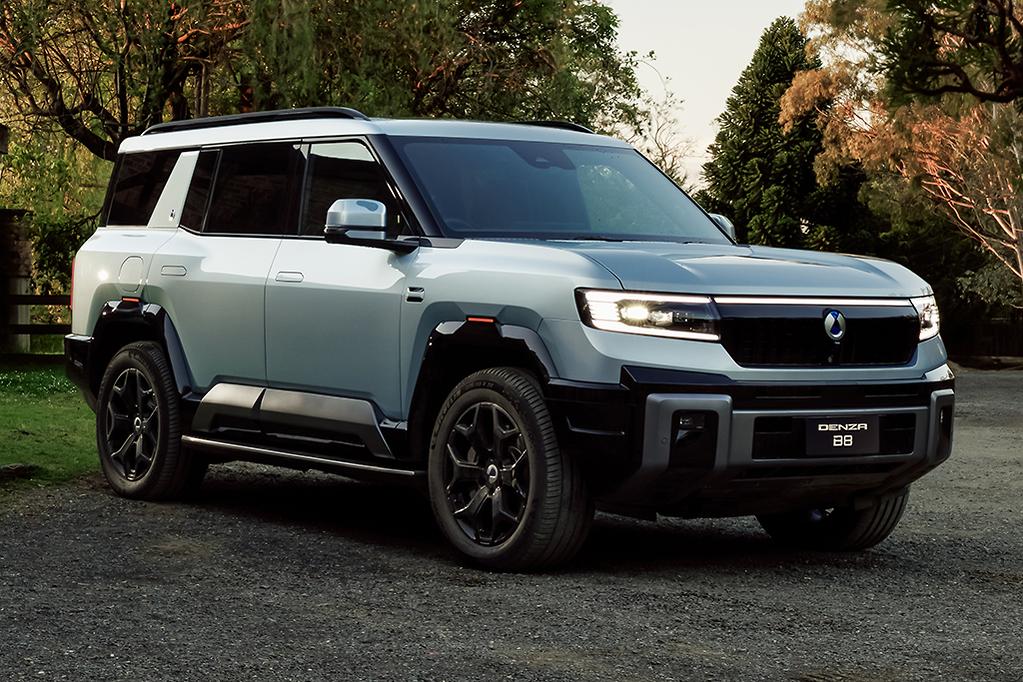
Denza B8

Diesel and petrol both eased back from a year ago, down 21.6% and 30.2% respectively across passenger, SUV and light commercial lines, largely reflecting the shift in buyer preference toward the newer electrified and Chinese-built alternatives now on offer rather than any pullback in overall demand. 

Country of origin data tells a similar story. Vehicles built in China reached 33,634 through VFACTS reporting alone, or 32.5% of the market, up 78.4% on July 2025. Add Tesla and Polestar, and Chinese-built vehicles reached 38,555 units in July, or 35.5% of the combined market. Year to date, that combined Chinese-built share sits at 32.2%. 

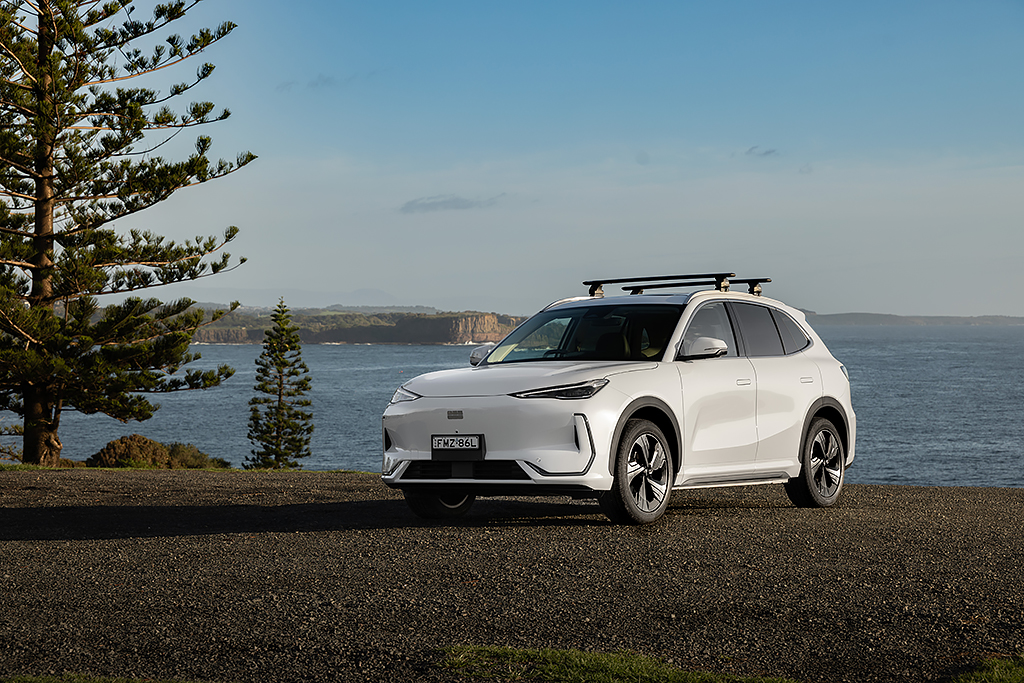
Geely EX5 Inspire

Brands and models 

Toyota retained top spot on the brand ladder with 20,409 deliveries in July, though the result was down 6.0% on a strong July 2025. BYD, while unable to reach its mega June result, held second with 7,857, up a solid 70.5% year on year. 


Top 10 Brands July 2026

RankMarqueJuly 2026YTD 2026YTD ShareYTD 2025 Share
1Toyota20,409115,55015.6%19.6%
2BYD7,85760,1928.1%3.8%
3Ford6,55348,6966.6%7.5%
4Kia6,45848,3996.5%6.6%
5Mazda6,40046,9606.3%7.7%
6Hyundai5,99145,5816.2%6.3%
7GWM4,51834,8774.7%4.1%
8Chery4,61529,5794.0%2.4%
9Tesla4,77828,3663.8%2.1%
10Mitsubishi3,06227,8643.8%5.3%

Beyond the top ten, the fastest-growing brands in July were almost all Chinese still building out their local presence. Geely grew 652% year on year to 3,685 units, Zeekr moved from 72 to 2,115, and Omoda Jaecoo grew 392% to 2,135. GAC delivered 1,008 vehicles in its first month of VFACTS reporting, immediately outselling established names like Jeep and Peugeot. 

At the model level, Toyota’s RAV4 reclaimed the outright sales crown with 5,564 deliveries, up 26.0% on July 2025. That is a notable handover: the Tesla Model Y totaled 4,644 units in July, enough for third but short of the RAV4 after leading the market outright in May and June.

Top 10 Models July 2026

RankModelJuly 2026July 2025Change
1Toyota RAV45,5644,415+26.0%
2Toyota HiLux4,7214,676+1.0%
3Tesla Model Y (incl. Model Y L)4,644555+736.9%
4Ford Ranger4,0423,930+2.8%
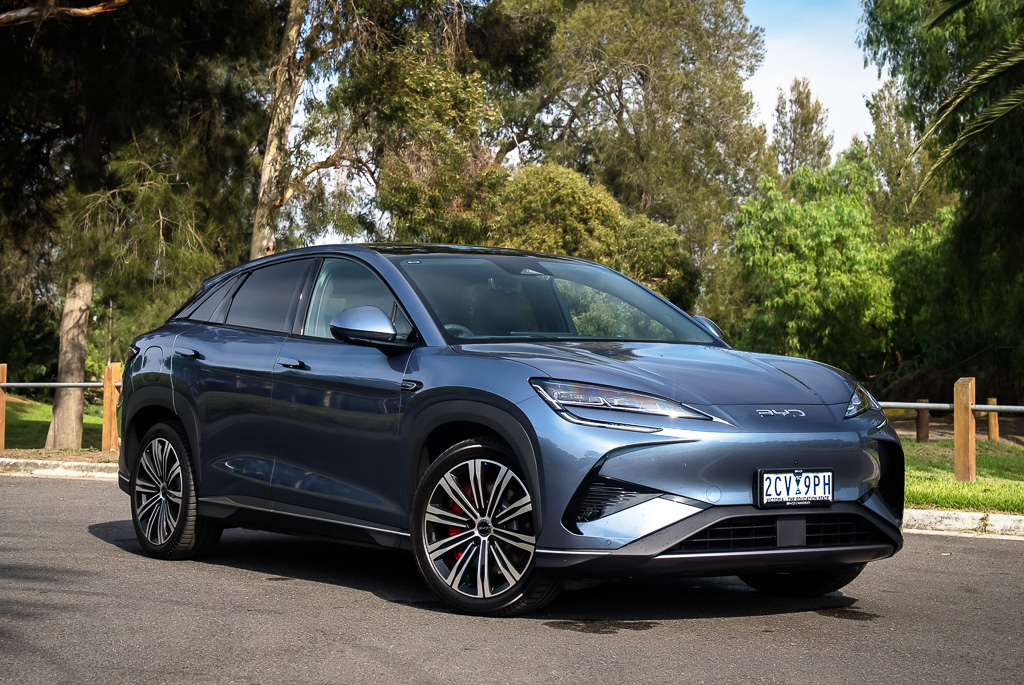
5BYD Sealion 72,5481,427+78.6%
6Chery Tiggo 42,1562,065+4.4%
7Hyundai Kona2,0961,903+10.1%
8Toyota Prado2,0822,339-11.0%
9Geely EX52,034490+315.1%
10Zeekr 7X1,8920New


BYD Sealion 7

Segments 

Medium SUV remains the largest segment in the market. It grew 23.6% year on year to 30,881 deliveries in July, taking 29.8% share and staying well clear of small SUV (18,989 units, 18.3% share). The growth is broad-based rather than resting on one nameplate: Toyota RAV4, BYD Sealion 7, Geely EX5 and the newly arrived Zeekr 7X all contributed meaningfully to the gain. 

Large SUV moved the other way, down 18.7% to 11,507 units as buyers traded into medium SUV alternatives or held off amid softer demand for established nameplates like Isuzu MU-X (-33.9%) and Kia Sorento (-45.2%). 

Light commercial continued its pullback, down 14.4% to 19,207 units, largely on softer 4X4 ute demand (-15.2%). Ford Ranger held up better than most rivals in the segment, down just 8.1% on the 4X2 variant and actually up 3.5% on 4X4, while Isuzu D-Max (-13.1% and -28.9% respectively) and Mitsubishi Triton felt more of the pullback. 

Mitsubishi Triton GSR

The Road Ahead

With BYD, Zeekr and new entrants all building out their ranges in the medium SUV space, expect the competitive intensity within that segment to keep climbing. 

With GAC, Farizon and Xpeng all posting their first VFACTS numbers in July, the competitive set for value-focused SUV buyers keeps growing. Dealers weighing new-brand opportunities have more genuine choice on the table than at any point in the past few years. 


* Data sourced from FCAI VFACTS and the EVCouncil


Share this article:

LinkedIn logo

carsales for Business

Disclaimer:
The information presented in this article is true and correct at the time of publishing. business.carsales.com.au does not warrant or represent that the information is free from errors or omissions. The content is provided for informational purposes only and should not be construed as professional advice. For more details on our editorial standards and ethical guidelines, please visit our Editorial Guide Lines.